When Variables Outside Fashion Decide Fashion
Sourcing rewritten by tariff surges, Chinese wealth flooding toward 'Goyard' and 'Seoul,' and well-being — now consumption's default.
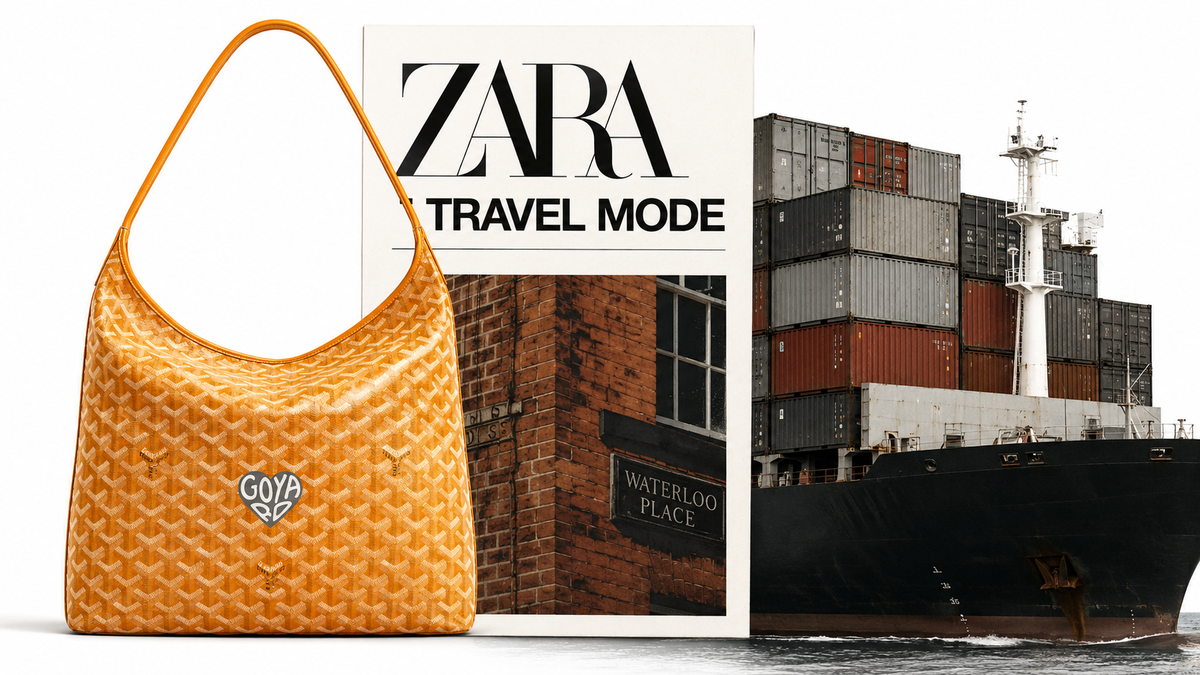
Three Tectonic Shifts That Struck Global Retail in 2026
The era when design and marketing alone could carry a brand is over. What's rewriting the rules of the fashion business in 2026 isn't the runway — it's global tariffs, China's property market, and the shifting psychological baseline of the consumer.
Here are the three macro shifts, and the business angles, that working buyers and retailers must check while preparing for the coming season.
The 35.1% Tariff Era
Under the Trump administration's trade policy and supply chain realignment, the average tariff rate on apparel imports into the US shot vertically from 14.7% in early 2025 to 35.1% by year's end. Per a McKinsey survey, 76% of fashion executives named this trade turmoil the greatest threat of 2026.
Trade Agreements Before Production Efficiency
With tariffs surging on the established Asian production bases — China, Vietnam (46%), Cambodia (49%) — brands are being forcibly relocated toward Western Hemisphere near-shoring, such as Mexico (0%), where free trade agreement benefits apply.
Consumer Price Pass-Through and Resale's Windfall
55% of retailers signaled further price increases in 2026. In step, 60% of consumers answered "if prices rise, I'd rather go to the resale market" — swelling the secondhand market's windfall gains.
The B2B Buyer Angle
A brand's 'origin strategy' has become a mandatory checklist item for select shop buyers. The moment has come to recalculate, from scratch, the margin structures of European-made brands (Italy, Portugal — dodging the tariff bomb) versus Asian-production-based brands.

The Butterfly Effect of the Property Collapse
Chinese housing prices have surrendered twenty years of gains, with property investment collapsing 50–80% from the peak. But Chinese wealth hasn't closed its wallet — it's moving its assets elsewhere.
Fine Luxury as an Investment Asset
The wealthy in China cut property investment to a record low (-21%), turning instead to gold (+15%), foreign equities — and 'fine luxury.' The fascinating detail: the resale market's No. 1 value-retention crown recently passed from Hermès to Goyard (104%). Chinese consumers are now buying luxury not as simple display, but as 'an alternative investment asset with certain value preservation.'
Luxury Consumption's Detour: 'Seoul'
Thanks to geopolitical tension and relaxed visa rules, a massive stream of luxury spending exiting mainland China is pouring into Seoul and Hong Kong. For Korean retailers, this 'safe-asset luxury shopping' demand is a cash cow that must not be missed.

Well-Being Becomes the Default
In 2026, well-being is no longer the 'optional spend' of occasional supplements or a yoga class registration. It has become life's 'baseline' — deciding what to eat, what to wear, who to spend time with.
The Budget That Survives Recession
51% of consumers said that even with reduced disposable income, they would maintain or increase spending on health and well-being. The global wellness market is growing 10% annually — twice the speed of beauty.
The Lifestyle Without Boundaries
Alo Yoga hosts mindfulness retreats, Hoka runs running clubs, Zara launches a travel app. This is why fashion brands are staking everything on providing 'third spaces' and communities where customers feel at ease — beyond selling clothes. If 'values and well-being' are missing from a brand's narrative now, consumers can't find a reason to open their wallets.