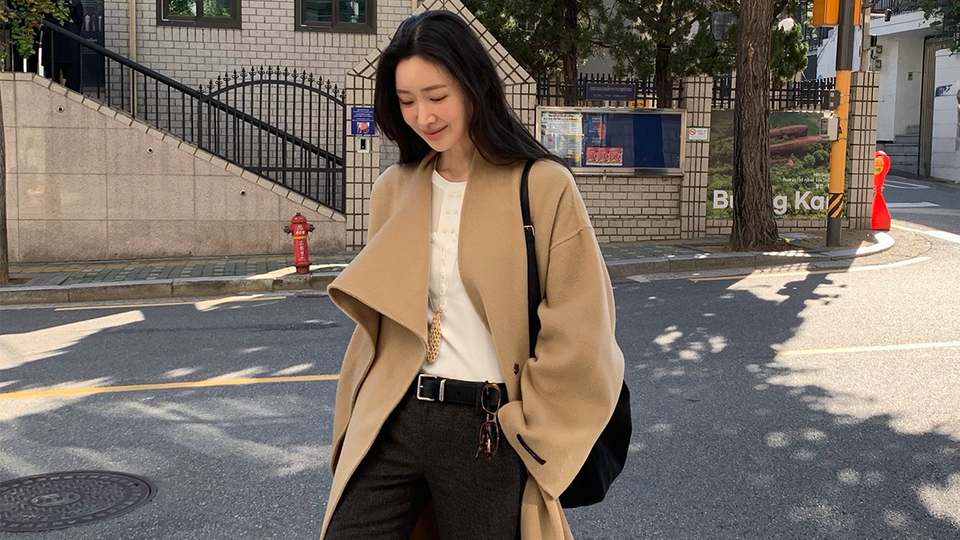
Matin Kim Jumps into the Running Market
Matin Kim launches a running capsule collection. What lifestyle running from a fashion brand really means.
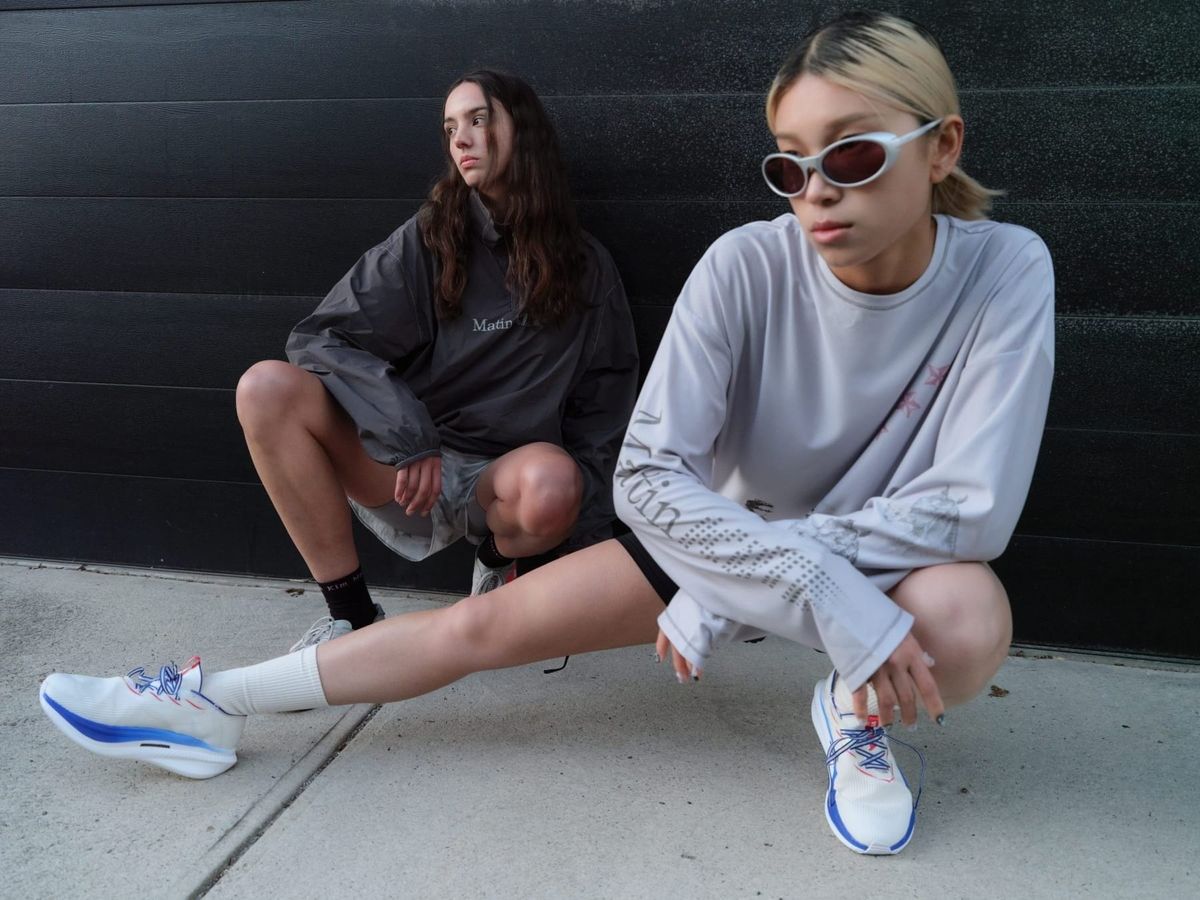
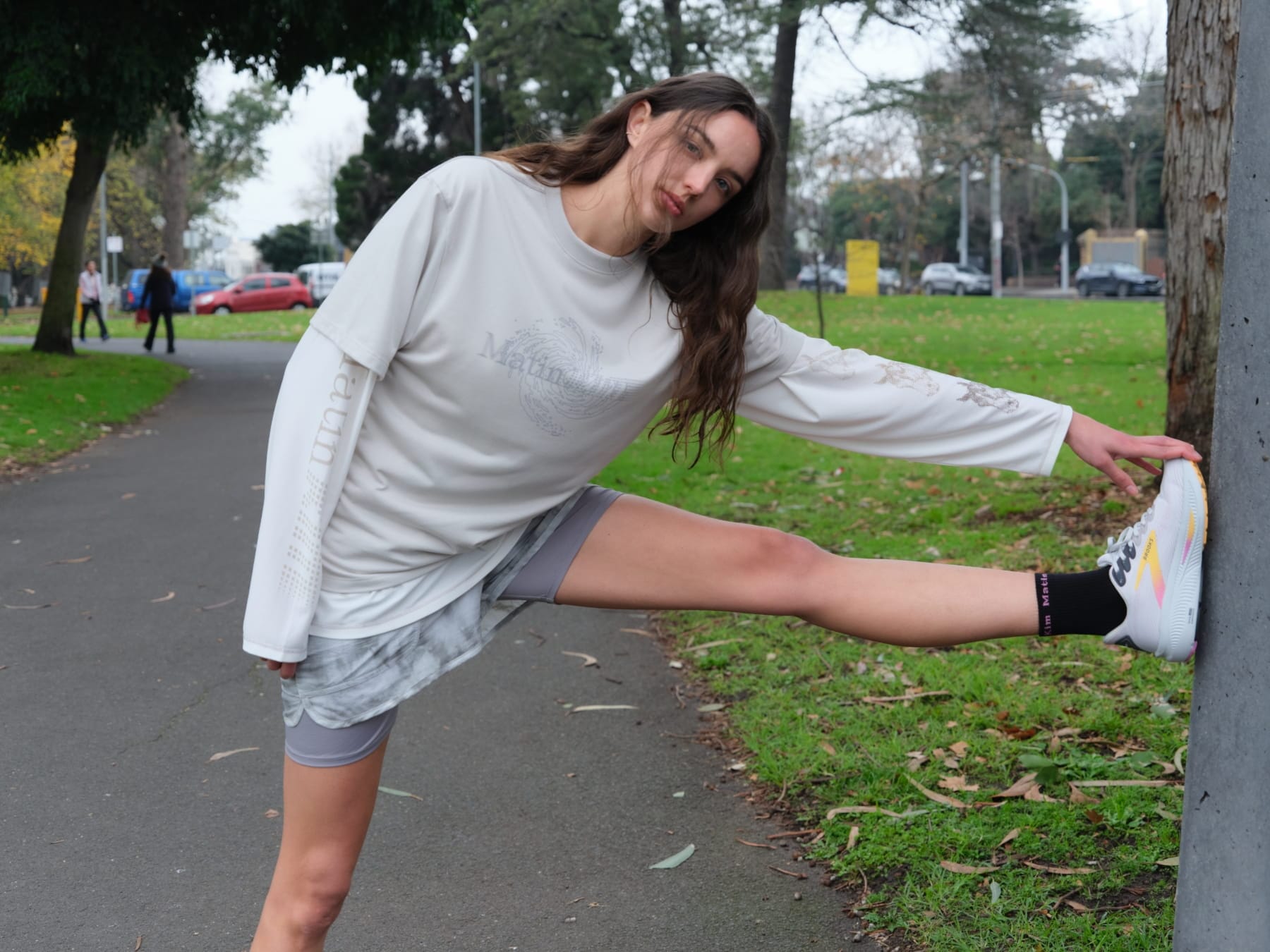
Matin Kim, which has grown into a mega brand with annual sales of about $145 million, officially launched its first-ever running capsule collection in August 2026.
For a brand that started out as monochrome minimalist womenswear, expanding its lineup into running wear isn't a one-off pop-up event. It's a carefully planned "category scale-up" strategy that has unfolded through a collaboration with ASICS, participation in Lotte Department Store's "Style Run," and the launch of an eyewear line.
As the boundary between fashion and sports breaks down across the market, we look at what Matin Kim's entry onto the running track means and the key points for buyers.

From an ASICS Collaboration to Its Own Running Line
Matin Kim's entry into the running market was planned strictly step by step.
- Stage 1 (Building trust): Through a collaboration with global sports brand ASICS, it first secured functional credibility and the support of sneaker fans in the footwear category.
- Stage 2 (Field testing): By officially joining a major department store running event (Style Run) and expanding into eyewear, it widened its offline touchpoints with "consumers who run."
- Stage 3 (Building its own lineup): Based on proven demand, it officially launched its own capsule collection of running apparel and gear in August 2026, expanding the brand's territory.
A Running Market Worth Over $700 Million
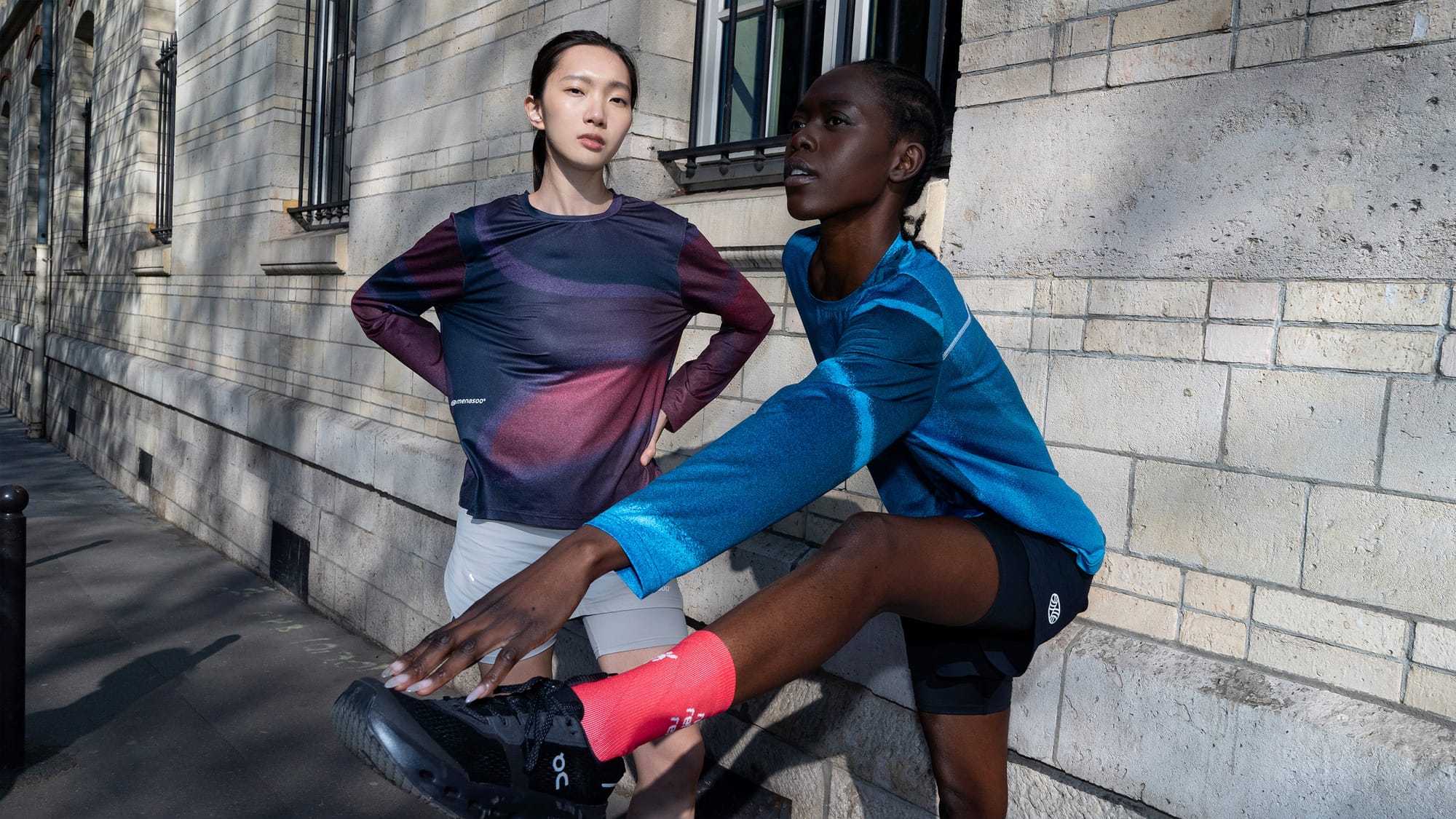
Within Korea's sneaker market, running shoes alone have surpassed about $720 million, and the fashion side of the running market, including apparel, is also growing rapidly. Within this huge market, the center of consumption has shifted from "function and records" to "lifestyle and outfits."
As running has become a culture, "what you're wearing when you're photographed running" and "whether you can walk straight back into daily life after a run" have become key purchase drivers. Fashion brands like Matin Kim have spotted the gap of "refined urban mood" that existing performance brands struggle to fill.
Matin Kim's Strategy
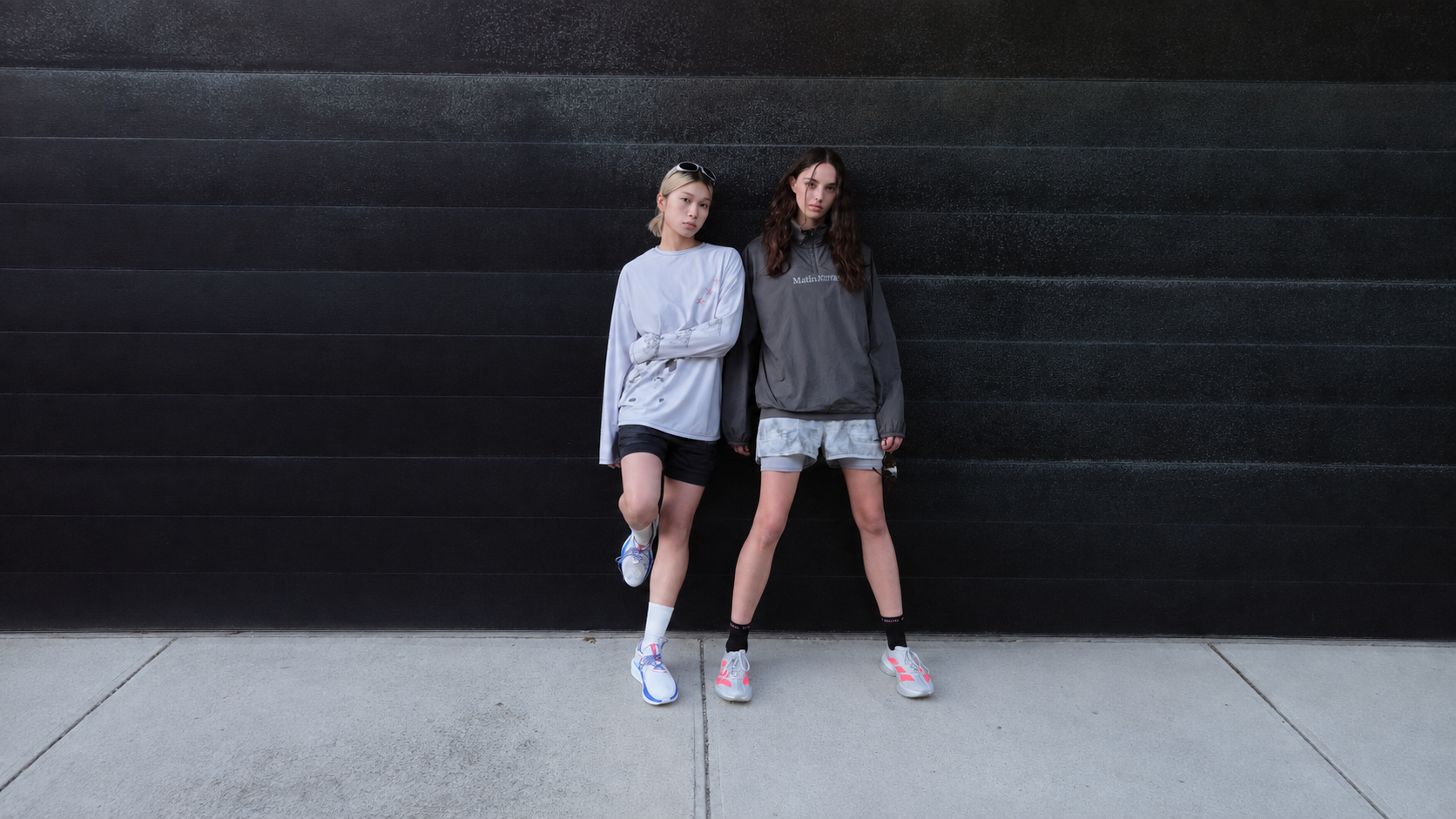
The real reason Matin Kim chose running is to increase its share of the customer's time.
Preventing Customer Churn
Moving beyond a brand that mainly sold everyday office wear, it captures the customer's wardrobe all the way into their running and workout lifestyle on weekends and after work, keeping them from drifting away.
Expanding Across Gender and Customer Base
Going beyond the limits of a womenswear-focused brand, it significantly widens its touchpoints with new customer groups (men and outdoor users) through unisex and male ambassador marketing and by targeting running crews.
3 Sourcing Points for Buyers
This phenomenon offers guidance for retail MDs and buyers in 2026.
① Breaking Down the Boundaries of Merchandising
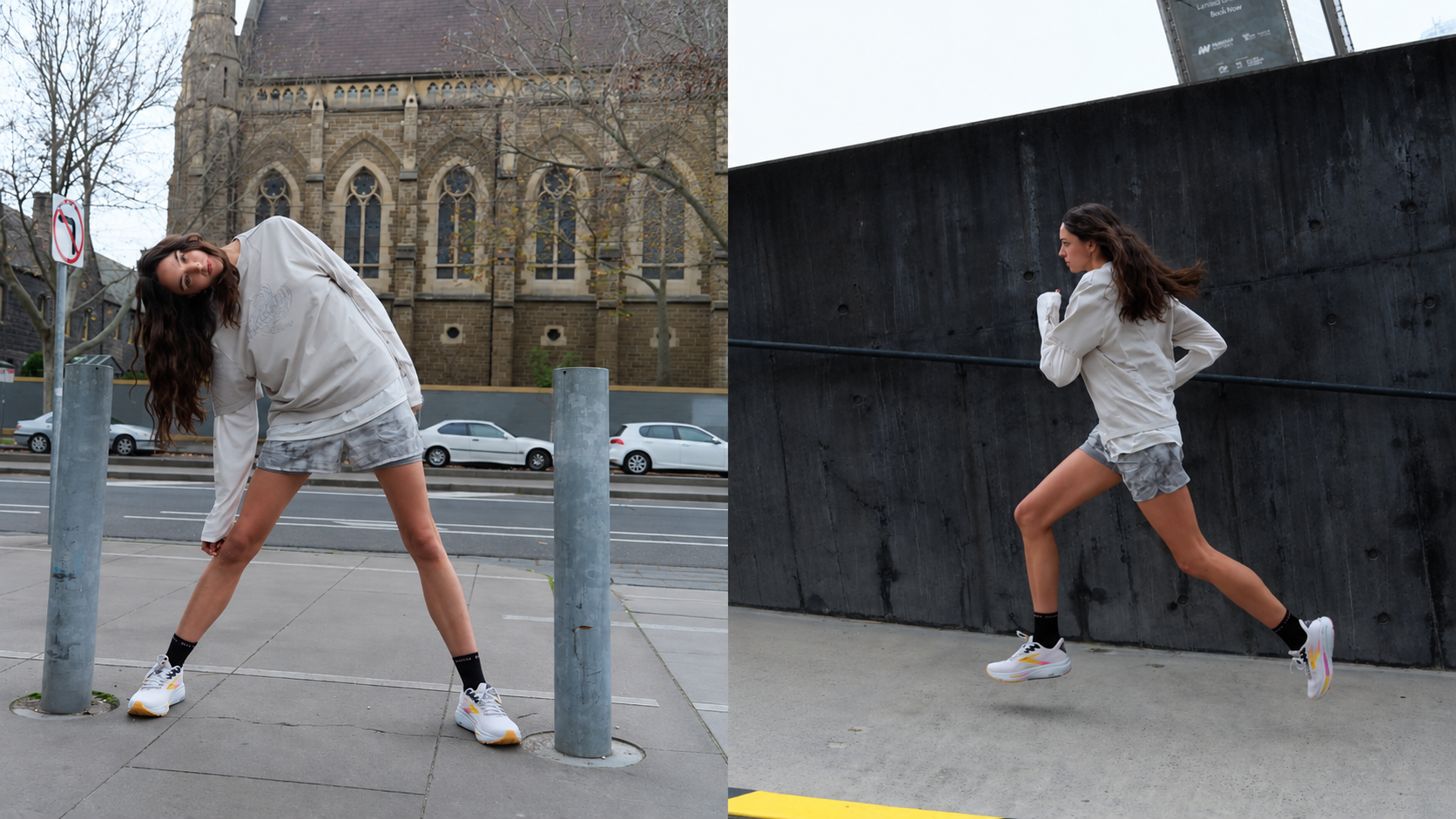
Running wear doesn't necessarily need to be placed only in sports-specific spaces. If it's a lifestyle running look with a monochrome, minimal feel, it's worth considering mixing it naturally with contemporary or casual displays, in a setup closer to the daily wear flow.
② Using Brand Category Expansion as a "Leading Indicator"
The new categories that fashion brands with strong fandoms move into (eyewear, running, outdoor, and more) can serve as a reference showing where their fans' interests are shifting. Monitoring these line expansions can help you gauge the next wave of lifestyle demand.
③ Double-Checking Sensibility and Function
Unlike general apparel, the running category tends to be judged on basic functions such as moisture-wicking, quick-drying, and stretch as well. Checking not only the design sensibility but also the actual comfort and basic material specs can help reduce returns after sourcing and keep customer satisfaction high.
💡 EDITORIAL SMALL TALK
Matin Kim's entry into the running market isn't just one brand adding a category. It's a symbolic scene in a market reshuffle in which "fashion brands are absorbing the sports and athleisure space." The next question buyers should be asking is no longer "which sports brand should we bring in?" but "which fashion brands are absorbing the functionality of sports and breaking down the line between everyday life and exercise?"