Alexander McQueen Returns to London
Analyzing the strategic calculus behind McQueen's choice of the London stage.
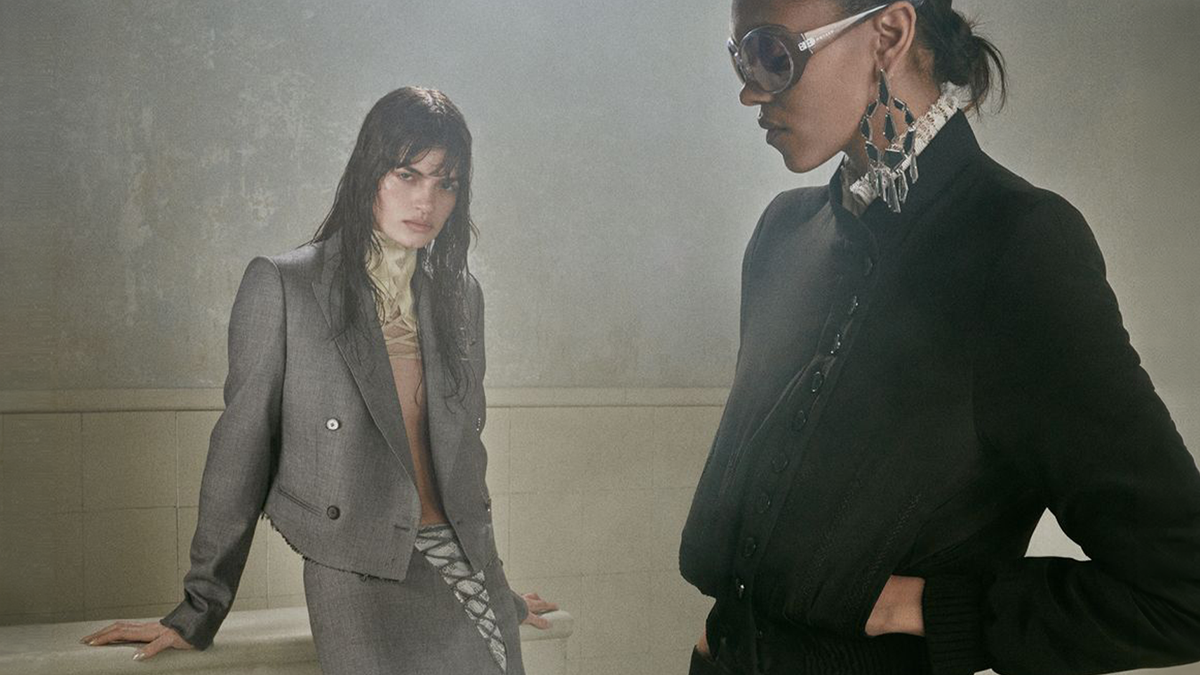
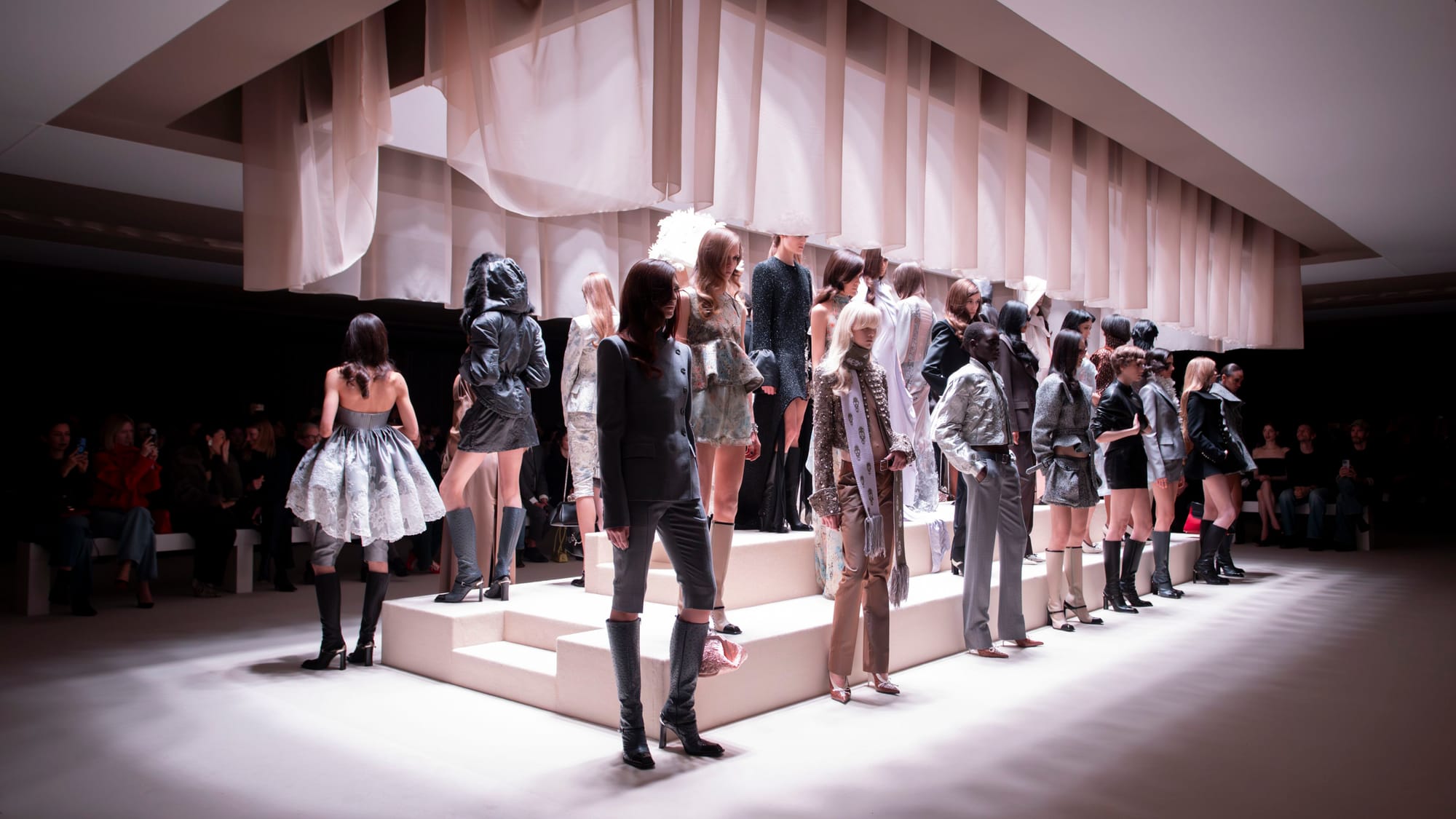
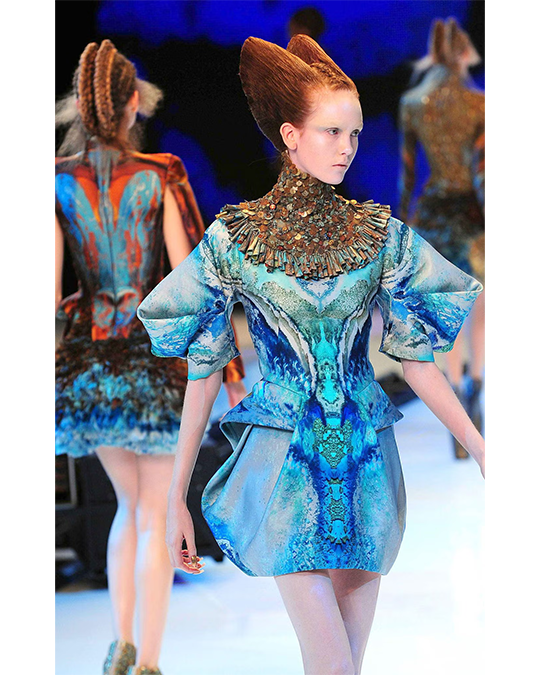
Alexander McQueen, which moved its main collection stage to Paris in 2001, returns to the London Fashion Week (LFW SS27) stage in September 2026 (September 20, 8 p.m.). It's the house's first London runway since Seán McGirr took the helm, and a combined men's and women's collection.
Alongside McQueen's return, Mulberry also chose London for the debut collection of Christopher Kane, whom it brought on in March 2026, and British icons including Barbour, Erdem, Harris Reed, and Roksanda have regathered en masse on the official schedule. M&S (Marks & Spencer) is also staging a London Fashion Week catwalk show for the first time in its 100-year fashion history.
McQueen cited London's history, its creative ecosystem, and the connection to the brand's roots as its official reasons. But this season's movement, with major brands signing onto the London schedule at the same time, shows that "where to show" has become a flexible variable in brand strategy, going beyond simple convention.
The Choice of Fashion Week City Is Changing
For a generation, Paris was considered one of the most important fashion week stages.
But recent fashion weeks show a pattern of brands using cities flexibly according to their needs. As with Indian luxury house Sabyasachi returning to New York Fashion Week after 18 years and Magda Butrym joining the official New York schedule for the first time, choosing a city based on a brand's target market and timing has become more active.
The moment a fashion week calendar affiliation becomes a variable, "where to unveil a collection" becomes a strategic choice about how a brand secures [media exposure, focus, and ownership of the narrative].
The Exposure Perspective: "Focus," Not Total Volume
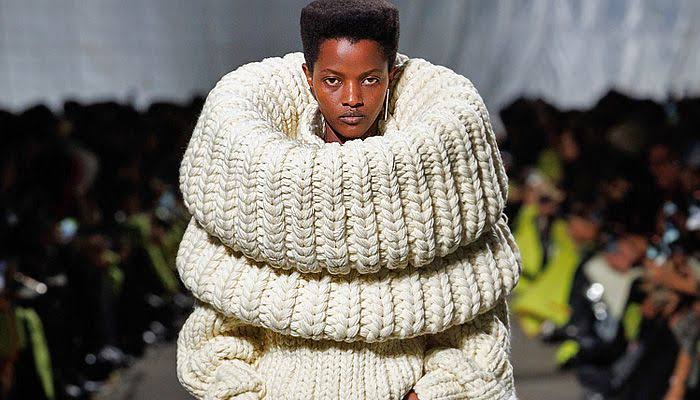
Paris Fashion Week's total media exposure is overwhelming, but in a week concentrated with Chanel, Dior, Louis Vuitton, Balenciaga, and others, it isn't easy for mid-sized houses or designers attempting change to capture media headlines.
London, by contrast, with a smaller overall market and lower density of competition than Paris, offers an environment where houses like McQueen and Mulberry can rise to become the most powerful center of buzz (the lead) this season.
The strategy of increasing share of media buzz by using a less crowded time and space aligns with the calendar strategies of Ralph Lauren and Coach, which use the eve of New York's opening exclusively.
Turning Narrative into an Asset: The Story of the Brand's Origin
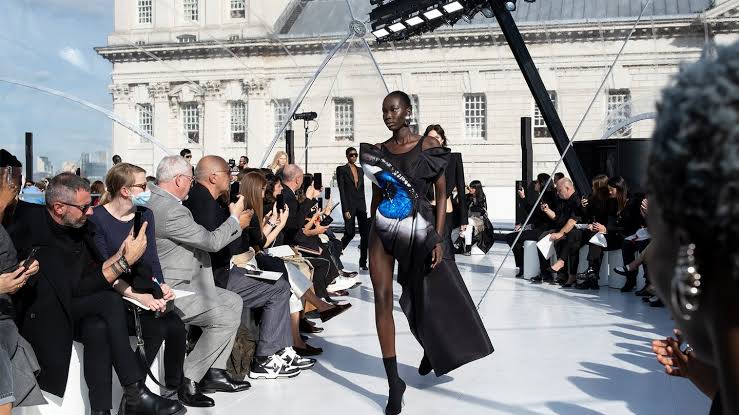
Beyond the completeness of the collection itself, "the narrative a city offers" becomes a powerful marketing asset. For McQueen, London is a unique narrative space that naturally connects Lee McQueen's East London memories and the lineage of Central Saint Martins.
For creative director Seán McGirr, too, presenting a collection in the brand's home city provides a visual moment to return to the brand's origin and create a new flow.
Mulberry can also be interpreted as using London as a stage to show both Christopher Kane's British design background and the brand's heritage.
Institutional Ecosystem Support and the Brands' Response
With the BFC's support and expanded programs, London Fashion Week is broadening its scope into a platform where established houses, emerging designers, and retail partners take part together.
Under new CEO Laura Weir, the BFC is rolling out a multifaceted set of programs in a single season, including the nationwide "Fashion Britain" initiative, designer scholarships and space support, and retail tie-ins (such as M&S's see-now-buy-now). The institution's concrete efforts to strengthen London's creative ecosystem and the return of iconic British brands are creating synergy.
What Flexibility in City Choice Tells Us
The landscape of this London Fashion Week shows that we've entered an era of using cities according to "to whom, what story, and where our brand can deliver it most clearly right now," rather than viewing fashion cities as a fixed hierarchy.
- When authority and overwhelming scale are needed: Choose Paris Fashion Week
- When pioneering new markets and expanding commercially: Use new hubs such as New York
- When emphasizing the brand's roots: Use home and heritage hubs such as London
💡 What Buyers Should Watch
Reprioritizing London Trips
London Fashion Week, once centered on discovering emerging designers (NEWGEN), has expanded into a stage for collection reveals by British heritage brands such as McQueen, Mulberry, and Barbour. Buyers and retail professionals need to recheck their travel routes and sales showroom schedules.
Observing the Wholesale and Distribution Strategies of Returning Brands
It's necessary to observe what changes brands returning to London or bringing on new designers make, starting with these shows, to buying and wholesale terms or to the expansion of their global distribution networks, including in Asia.
Measuring Buzz and Verifying Whether They Stay
You should observe the media buzz and digital share formed after the McQueen (9/20) and Burberry (9/21) shows, and further check whether these brands keep their London slots on the calendar for the next season in February 2027, to determine whether this regathering is a one-off event or a lasting trend.