The 2026 Luxury Scorecard, Built on Scarcity
How Rolex, Cartier, Chanel, and Hermès grow brand value without marketing.

According to Brand Finance's 2026 global luxury brand valuation report, Chanel's brand value grew 45% to $37.9 billion, Rolex's rose 36% to $18.8 billion, Cartier's increased 18% to $15.7 billion, and Hermès's jumped 18% to $40.9 billion.
Remarkably, these houses stuck to a strategy of minimizing advertising and marketing while running no discount events whatsoever. Through key elements such as waiting lists, quota systems, undisclosed pricing, and strict production limits, they proved with intuitive data the proposition that "a scarcity strategy that raises the barrier to purchase is what creates brand value and financial performance."
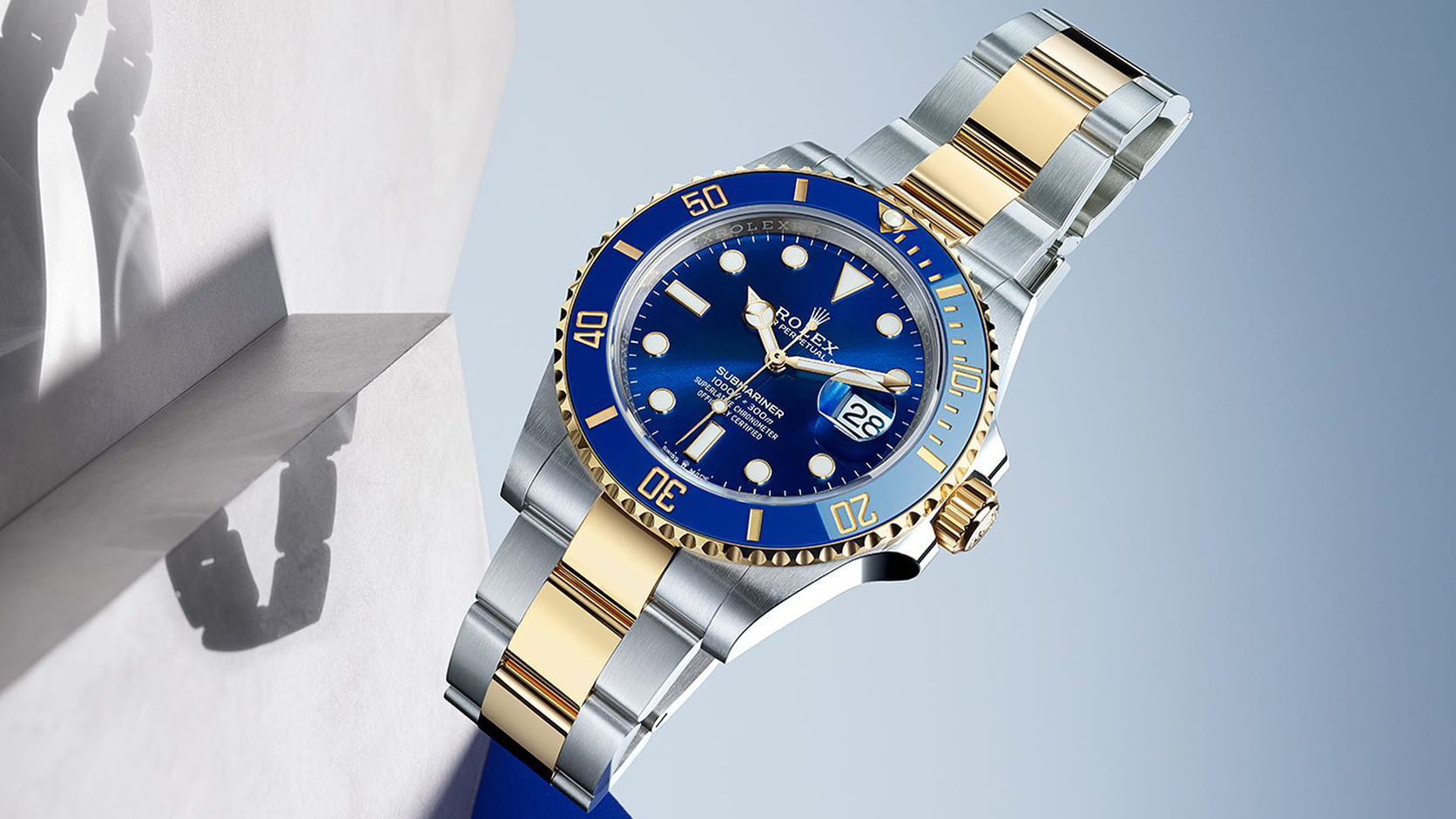
Rolex: A Structure Where the Waiting List Itself Becomes the Product
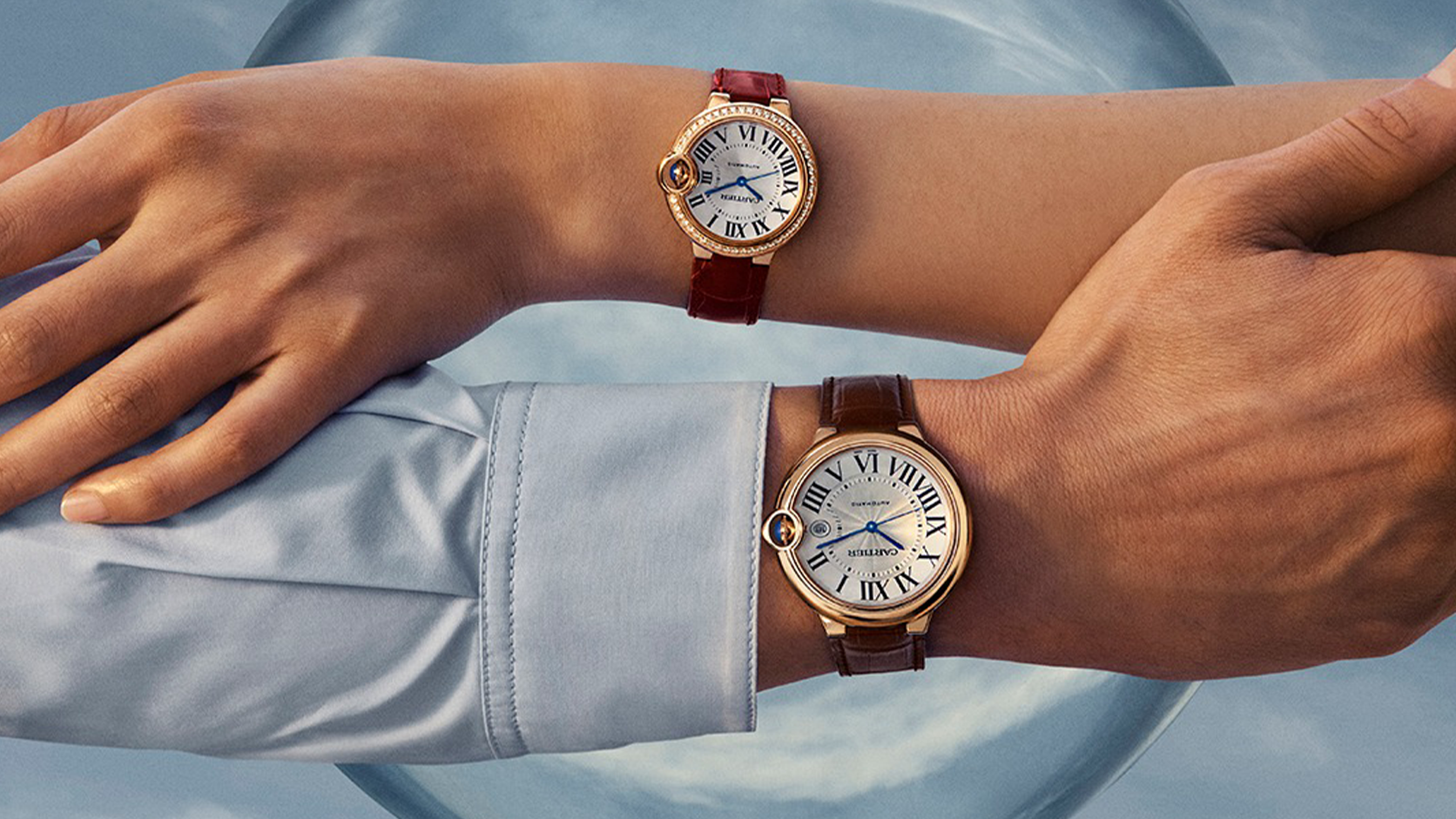
Key steel sports models such as the Submariner trade at a premium on the secondary (gray) market rather than at primary retailers. On top of this, by introducing the Rolex CPO (Certified Pre-Owned) program backed by official dealers, Rolex created a price range 25–35% higher than the ordinary gray market. Going beyond simply selling products, it monetized "certification" itself, completing a unique structure in which the brand directly controls even secondary market prices.
Cartier: A Safe Asset Built on Heritage and Narrative
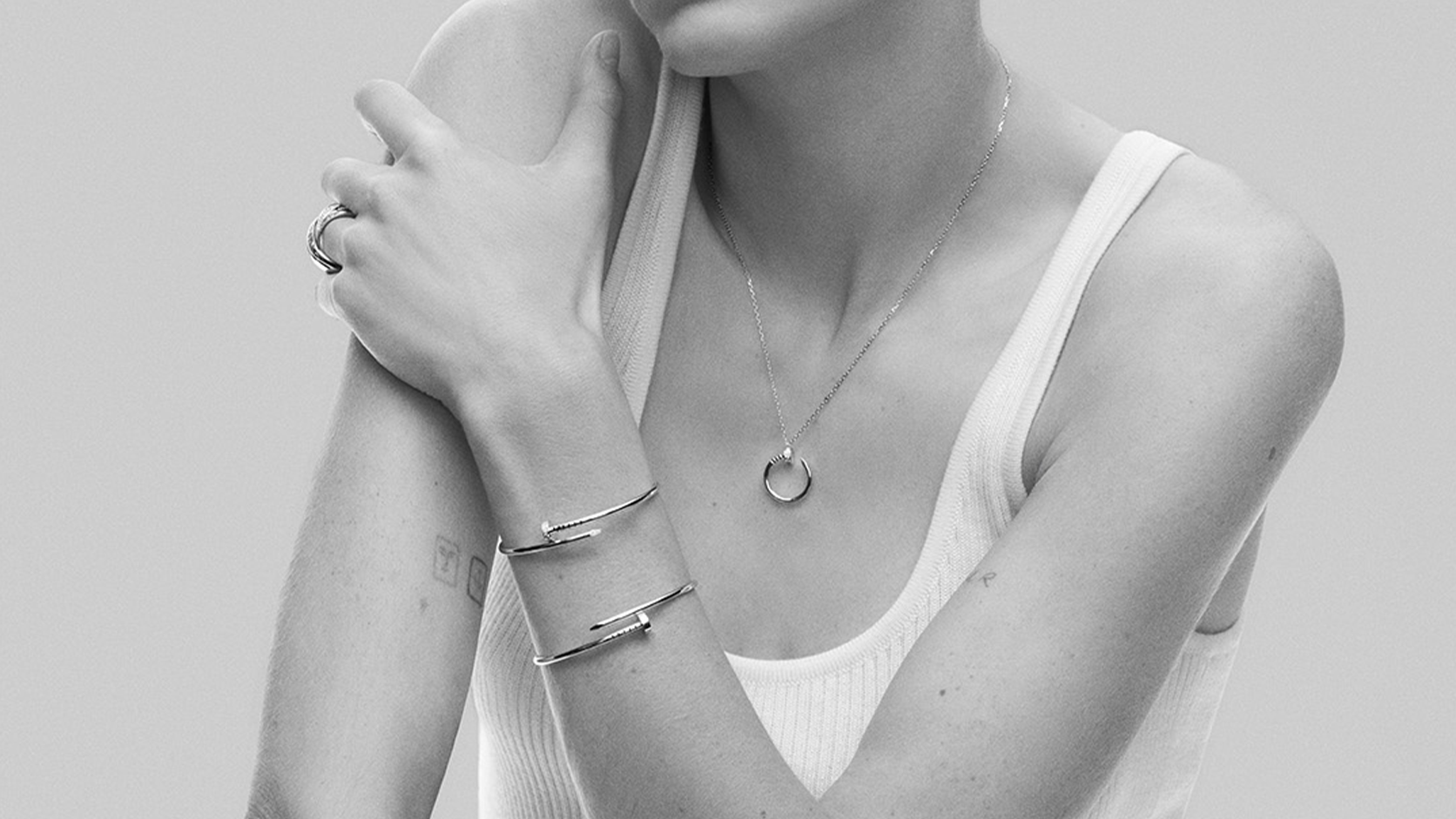
The Love Bracelet, with its "emotional narrative of locking with a screw," and the Santos watch, with 120 years of heritage, have established themselves as prestige safe assets akin to fine art, beyond simple jewelry. Their secondary market prices consistently exceed retail, maintaining a solid resale premium.
Chanel: Concealed Pricing and Aggressive Price Increases
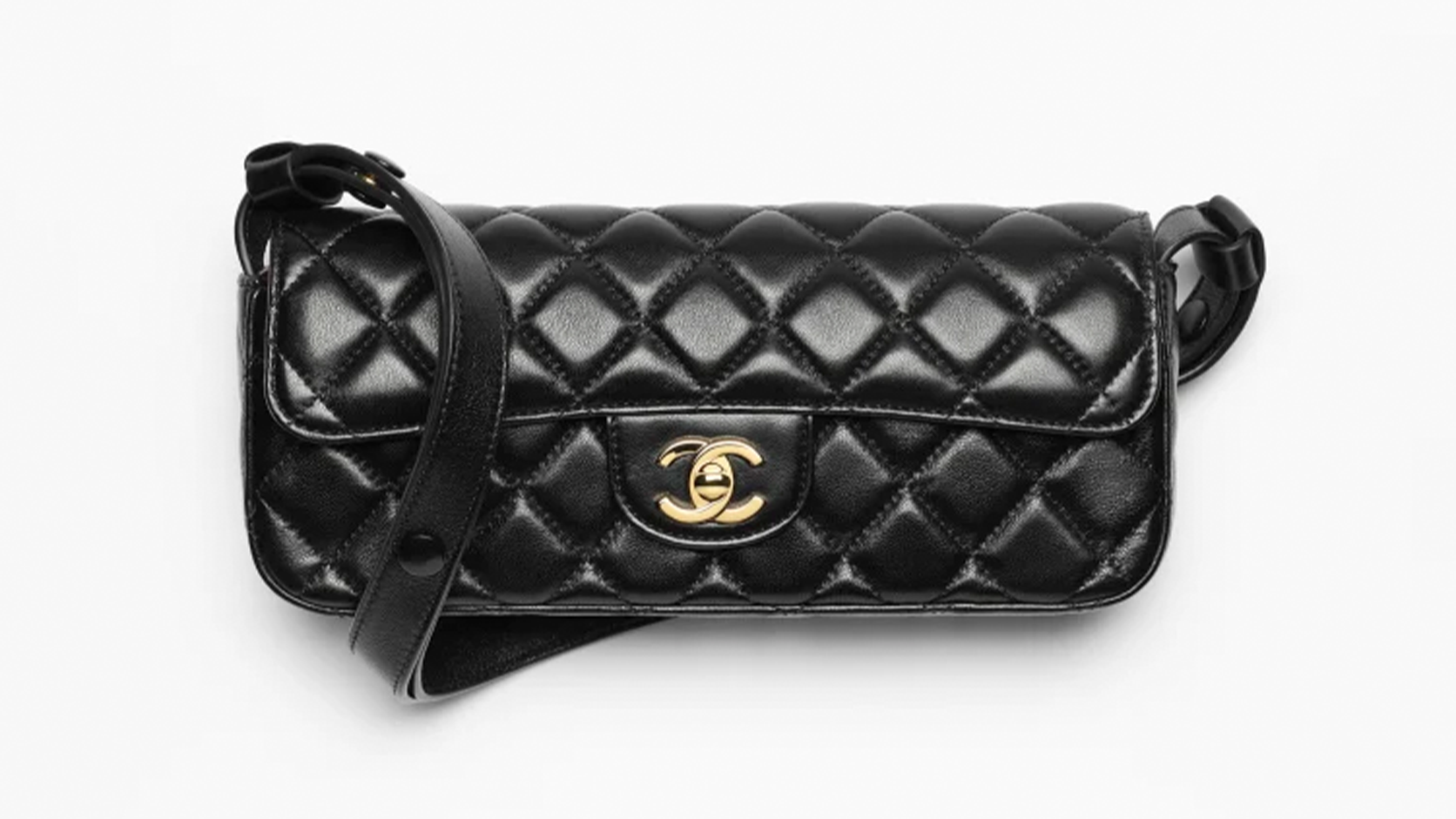
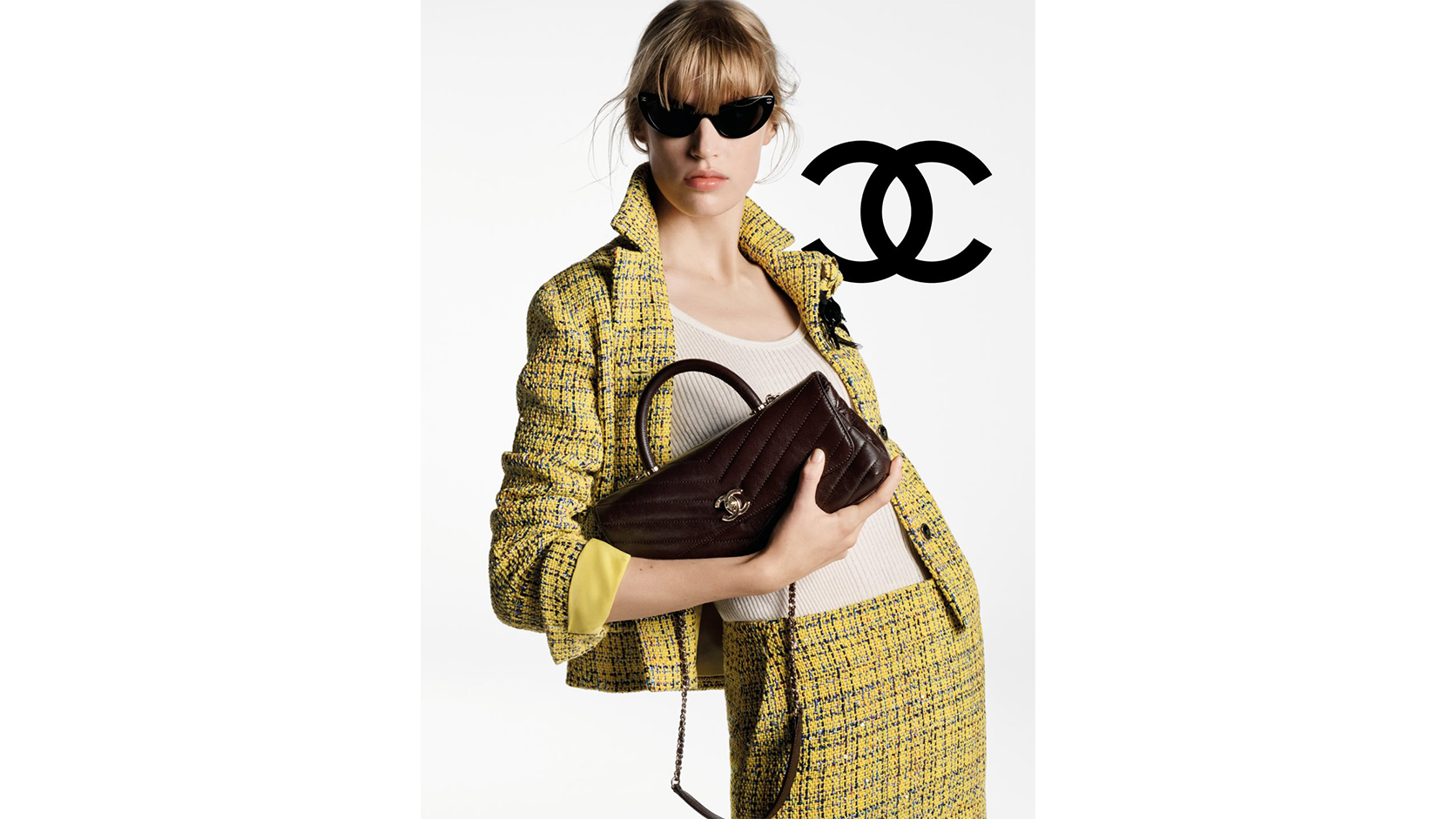
The Chanel Medium Classic Flap Bag rose 95% in seven years, from $5,800 in 2019 to $11,300 in 2026. Its precise pricing strategy, raising prices without prior announcement and minimizing official price disclosure, becomes a powerful driver that maximizes the product's exclusivity and scarcity.
Hermès: A 41% Operating Margin Completed by Purchase Eligibility
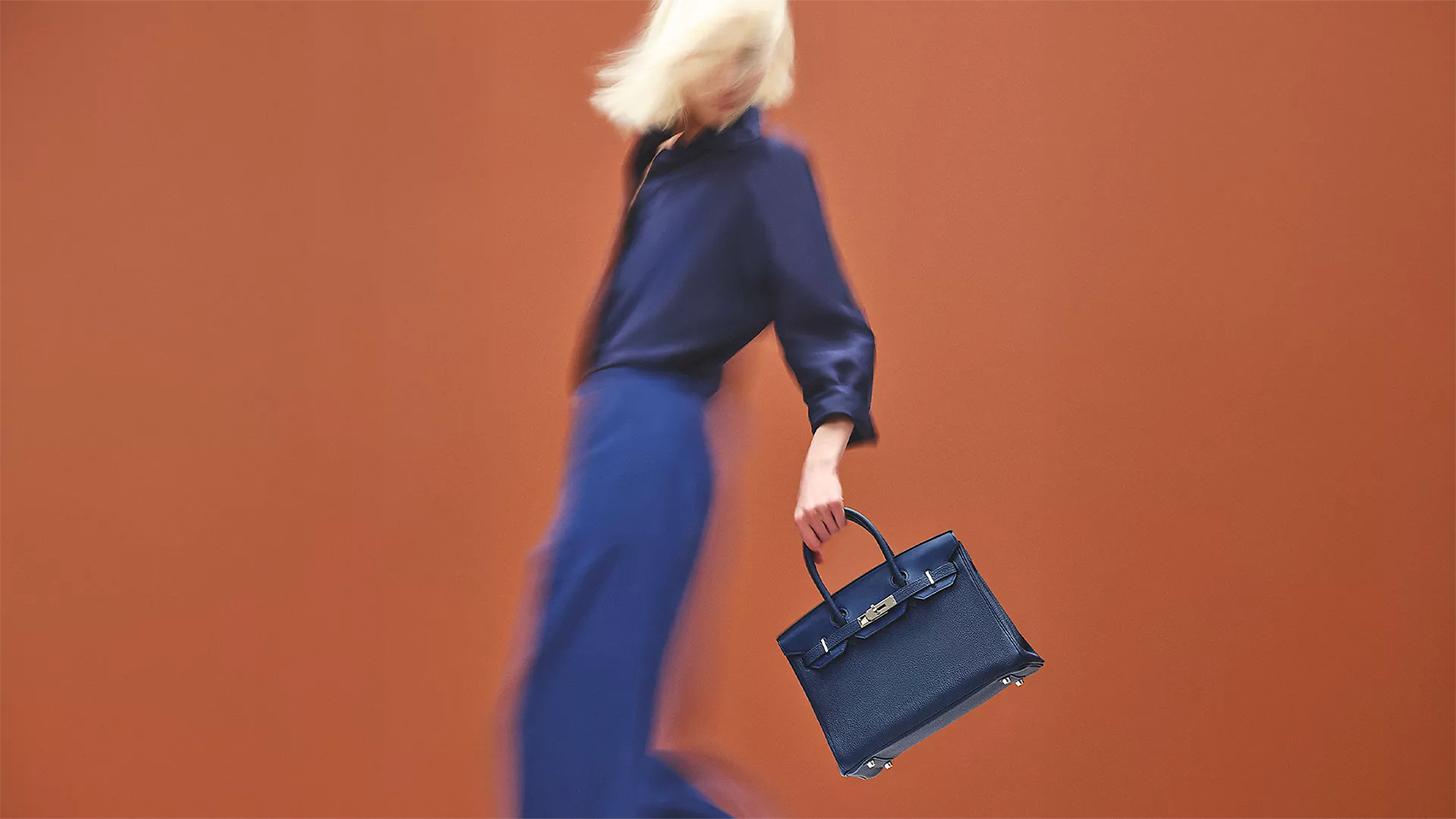
The quota system, represented by the Birkin and Kelly bags, is a structure in which offers reach only "VIPs who have proven their eligibility to buy," not simply "people with money." On the strength of this perfect supply control and handcrafted exclusivity, Hermès posts an operating margin of 41%, more than double the industry average.
The Virtuous Cycle of Scarcity
Inside brands designed so that demand always exceeds supply, a virtuous cycle operates.
- Stage 1 (Production control): The brand strictly limits supply and production volume.
- Stage 2 (Excess demand): Waiting lists and quota systems kick in, and the product becomes unattainable.
- Stage 3 (Resale premium): Secondary market prices begin to exceed official retail prices.
- Stage 4 (Perception of scarcity): The perception that "this is a valuable item that can't be bought easily" spreads across the market.
- Stage 5 (Demand explosion): Desire for the brand explodes, further solidifying the production control strategy of Stage 1.
Houses that have entered this cycle maintain powerful brand equity that isn't shaken by external changes such as trends or creative director (CD) changes. By contrast, brands that run markdowns (discounts) or rely on trend cycles are relatively more exposed to resale volatility and the risk of declining brand value.
💡 EDITORIAL SMALL TALK
The Classic Bag That Outpaced the Stock Market
The seven-year increase in the Chanel Medium Classic Flap (+95%) exceeds the S&P 500's gain over the same period (about +80%). It's a clear figure showing that luxury pieces are functioning as tangible financial assets.
Creating Value Through Discontinuation
By discontinuing some steel models in 2026, Rolex sent secondary market prices up 18% in just a few weeks. The power to create scarcity goes beyond simply reducing volume; it's completed by precisely designing "the timing of discontinuation."