The orSlow Paradox
The Japanese denim and workwear house that seized the global market by choosing overwhelming fabric and 'slowness' over trends.
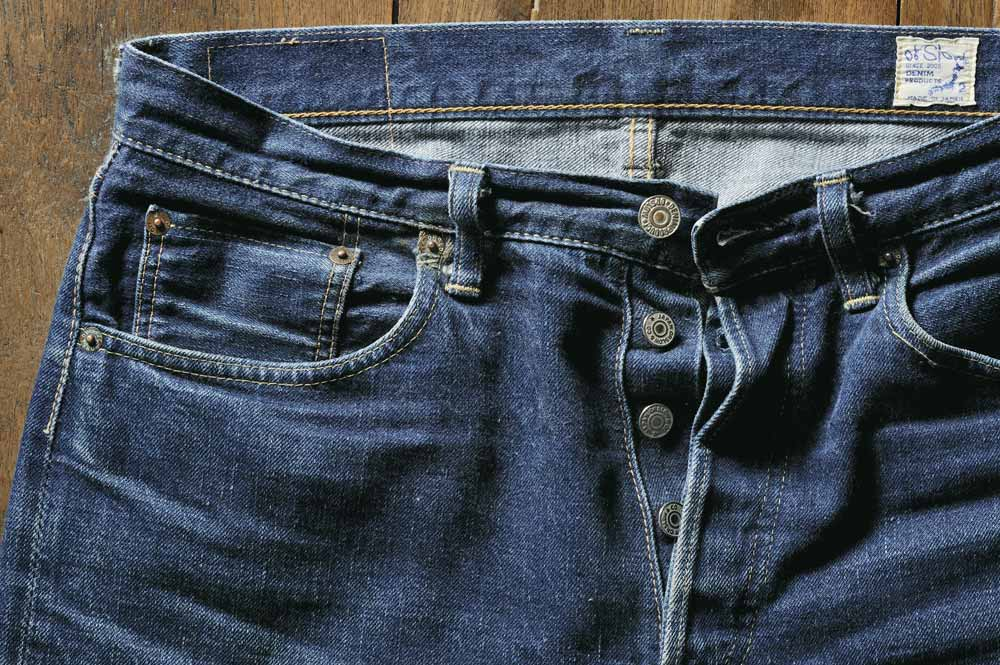
What are the odds that a brand built to defy trends becomes, 21 years later, the spirit of the age itself?
In 2005, when everyone else was shouting "faster, more," one obstinate label stamped 'Slow' straight into its name.

Fascinatingly, in 2026 — when "no more clothes to wear one season and throw away" has become the prevailing consumer psychology — the world's most discerning fashion people and the biggest hands in the resale market are opening their wallets to exactly this stubborn brand.
The times, at last, have walked on their own two feet into orSlow's unhurried universe.
Here's an analysis of the business dynamics and sourcing points of a brand that never chased the trend — and had the era come find it instead.

The Name Itself Is 'the Spirit of the Age'
The name orSlow carries three meanings:
- An antithesis to the fast pace of modern society and the fashion industry (or Slow)
- A philosophy of making old things slowly (old + slow)
- Founder Ichiro Nakatsu's initials (I.N.)
They refuse mass production. Instead, they weave selvedge denim on old shuttle looms. The newly released 21oz black denim is that philosophy's crystallization.

Overwhelmingly thicker and heavier than standard denim (12–14oz), it's stiff at first wear — but with time, it ages perfectly to the wearer's body.
"Uncomfortable at first, the finest garment you own ten years later" — this unhurried logic is proving the most persuasive argument of all to the value-driven audiences of 2026.

The 'Store That Can Explain'
Look at orSlow's global stockist list, and the brand's commercial weapon comes into sharp focus.
What actually drives its global fandom are rigorous 'heritage/denim specialty select shops' — Blue in Green in New York's SoHo, Blue Owl Workshop in the US.
What these stores share: they are 'places where the clothes require explanation.' The true worth emerges only when staff walk the customer through the old shuttle loom's weaving method, the difference an ounce of fabric makes, the principles of aging and fading.
Hard to sell in an ordinary select shop that lives on fast turnover — but for the specialist retailer, the perfect touchpoint for sharing deep taste with customers and locking them in.
Not being scattered across every select shop is orSlow's most powerful premium of all.

The Rule Changer of the Global Resale Market
Grailed's 2026 trend report pinpointed a fascinating shift. Big-logo streetwear brands are fading, and in their place, 'Japanese denim and archival craftsmanship' — Kapital, Iron Heart, and orSlow — has ascended as the new Holy Grail.

Indeed, orSlow's signature 105 and 107 denim lines are now valued on the resale market as the luxury alternative fully replacing the Levi's 501. Meeting the fast-rising 'vintage workwear/athleticwear' trend, orSlow's US Army fatigue pants and 1940s coveralls hold a position all their own: "looks like true vintage, with the flawless quality of new."

Editorial Small Talk
The Wild Marriage of Persimmon and Indigo
For SS26, orSlow released new pieces cross-dyed in 'persimmon dye (kakishibu)' and 'indigo.' It grafted a traditional Japanese natural dye — used since the Heian era to strengthen fishing nets and timber — onto denim, leaving local retailers stunned: "we never imagined a fabric this insane."
The Tavern Apron Becomes Fashion: Maekake
The season's other astonishing material experiment is 'maekake' — the thick cotton apron cloth worn by artisans at traditional Japanese sake shops and miso stores, elevated into a modern garment fabric. Beyond simple reproduction, it shows orSlow's tenacious craftsmanship: 'sublimating workwear into perfect modern fashion.'