In an era driving the 2026 Chinese fashion market, three core rules dictate success.
Invest in Goyard, Fulfill Emotion with Miu Miu! Data-Analyzed 2026 Chinese Consumer Psychology.
If you define Chinese consumers in 2026 in one word, it is 'Rational Emotionalists.' While they are extremely cost-conscious in everyday consumption, they open their wallets without compromise for items that offer 'spiritual healing' and 'emotional satisfaction.'
Through local social data from platforms like Xiaohongshu and Douyin, we have condensed the common traits of brands exploding in the Chinese market right now, along with 3 core rules that buyers must pay attention to.

Consumers Who Value 'Specs' Over Logos
The biggest change in today's Chinese fashion market is the rise of 'expert consumption.' Users on Xiaohongshu, the birthplace of China's mega-trends, no longer trust celebrity advertisements.
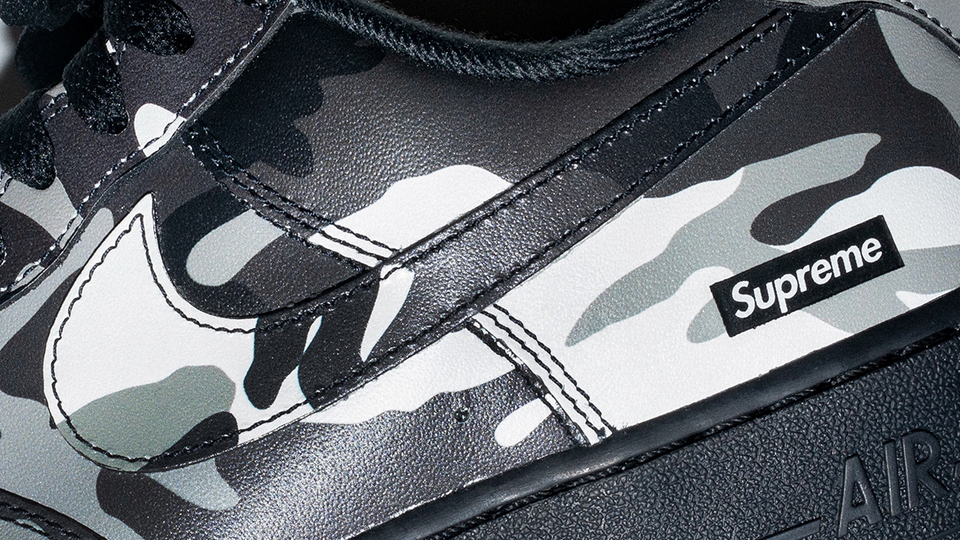
Consumers' product understanding has reached a level that surpasses brand store employees. When buying clothes, they meticulously examine 'specs' such as fabrics, processes, and functionality rather than brand logos. This is precisely why consumers tired of flashy logo play are enthusiastic about brands obsessed with functional materials like Stone Island, or technical sportswear like On Running, Salomon, and Descente.

Three Positionings of the Winners
Countless brands knock on the door of the Chinese market, but as of 2026, the brands generating a clear buzz possess distinct weapons of their own.
Miu Miu, the Ultimate 'Emotional Consumption'
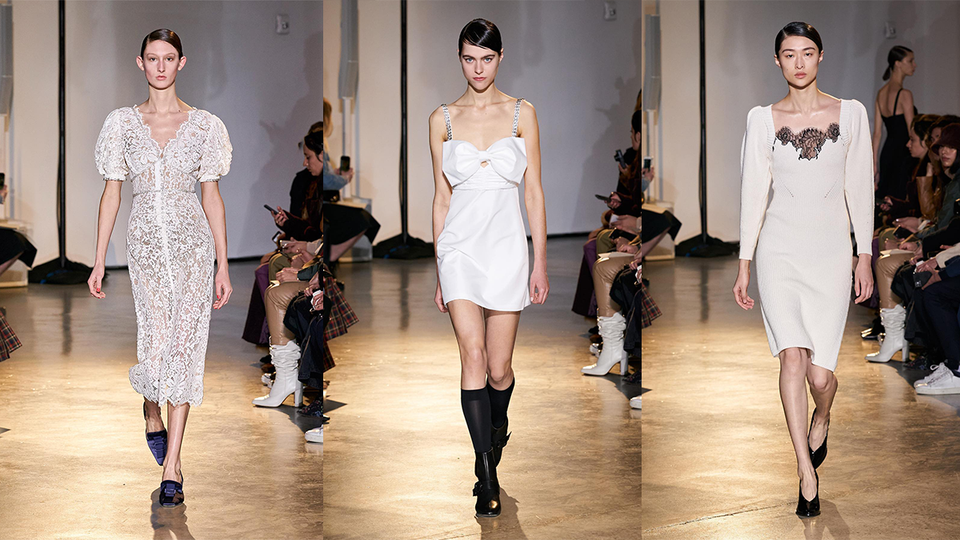
On social media such as Douyin, Miu Miu is consumed not merely as clothing, but as a 'subculture' and lifestyle. Despite having one of the lowest resale retention rates under 50%, it remains a unique brand that consumers willingly purchase purely for 'emotional satisfaction.'
Ralph Lauren, Old Money Dressed in Value for Money
The biggest beneficiary of the 'Old Money Style (老钱风)' trend that swept Chinese social media. It provides an elite aesthetic comparable to Hermès while maintaining an actually accessible price point, receiving an explosive response.
LOEWE, Cultural Marketing Selling Respect
Instead of bringing famous celebrities to the forefront, it collaborated with artisans of China's intangible cultural heritage, such as traditional lantern craft. Moving beyond simply releasing Chinese-style designs, it positioned itself as a 'bosom friend (知己)' that deeply understands local culture, winning over discerning Chinese consumers.

Two-Track Consumer Psychology
An interesting paradox of the Chinese luxury market is that consumer psychology has completely split into two paths.
According to recent luxury 'resale value retention' data, Goyard, despite weak social buzz, took the top spot ahead of Hermès with a retention rate of 104%. On the other hand, Miu Miu, which ranks first in social buzz, has a resale retention rate that hits rock bottom. In other words, today's Chinese consumers are adopting a two-track strategy: buying Hermès and Goyard strictly considering 'liquidity' when reselling later, or consuming Miu Miu purely for 'emotional fulfillment.'

Sourcing Insights
① Buyers must become 'Expert KOCs'
For Chinese consumers who distrust advertising and rely on community validation, a professional curation story explaining "why this brand was chosen" serves as a powerful marketing resource in itself.
② Source Stories and Heritage
As seen in LOEWE's success, sourcing brands with craftsmanship or deep cultural heritage (such as Japanese or European brands with craft stories) aligns most quickly and accurately with current Chinese consumer tastes.
③ Sports and Techwear Remain a Reliable Cash Cow
The multi-sport lifestyle trend spreading among the middle class is not a temporary fad. High-end techwear lineups that satisfy consumers' obsession with functionality and materials are the safest and most reliable buying bet.