Why Lemaire, Toteme, and The Row Quietly Took the Market
Luxury consumers exhausted by trends are migrating to the Timeless Wardrobe.
The End of Micro Trends
According to Bank of America's recent luxury sector report, roughly half a million consumers have exited luxury consumption in the global market — price hikes had reached their ceiling.
So where did those half a million wallets go?
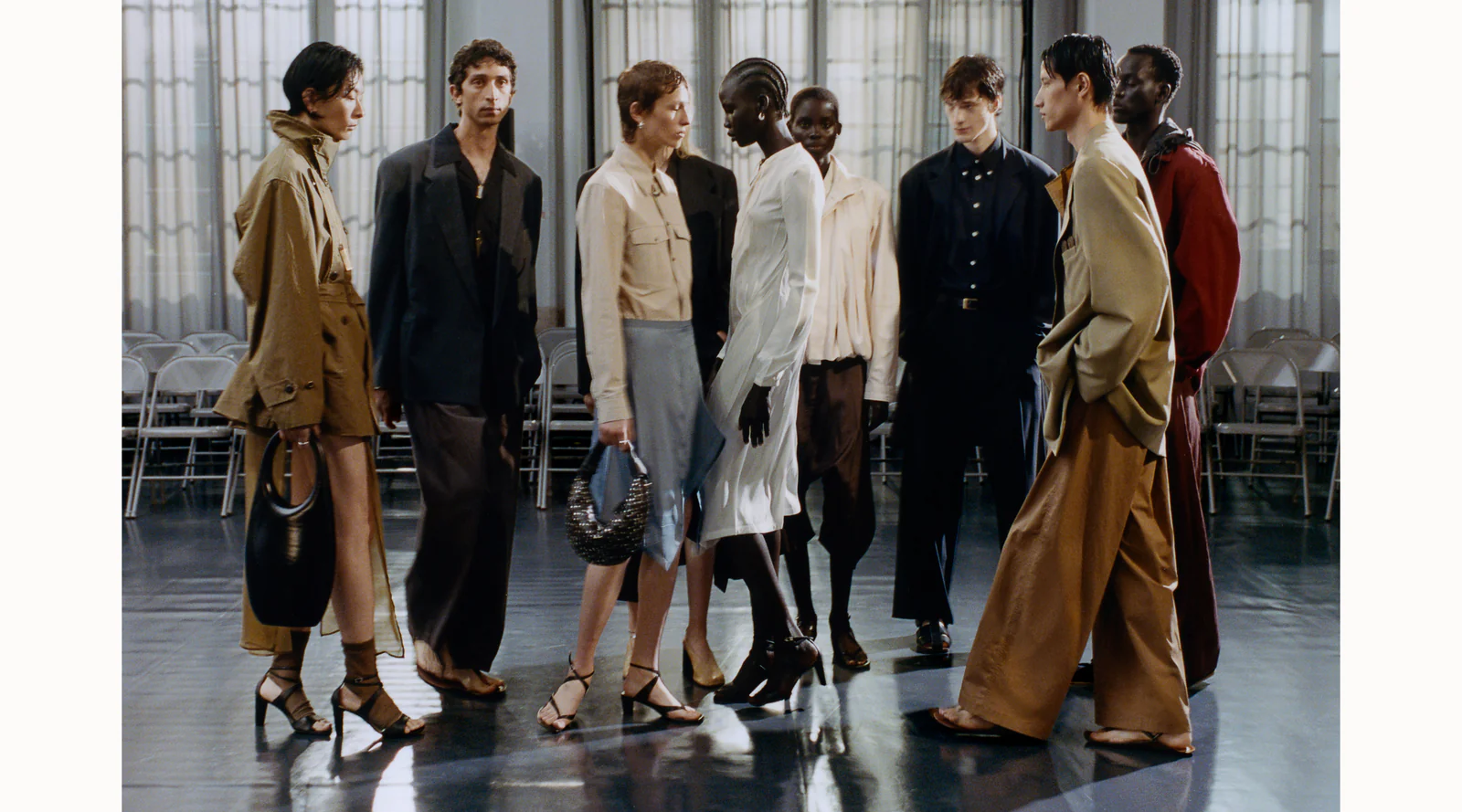
It wasn't pricier high-end or SPA brands. Consumers are moving — quietly but unmistakably — toward brands positioned as the 'Timeless Wardrobe,' untouched by trend cycles. Amid the fatigue of TikTok pouring out new micro trends every week, we analyzed the business grammar of three brands growing steadily in the opposite direction.
The Power of 'Seasonless,' Proven by B2B Order Patterns
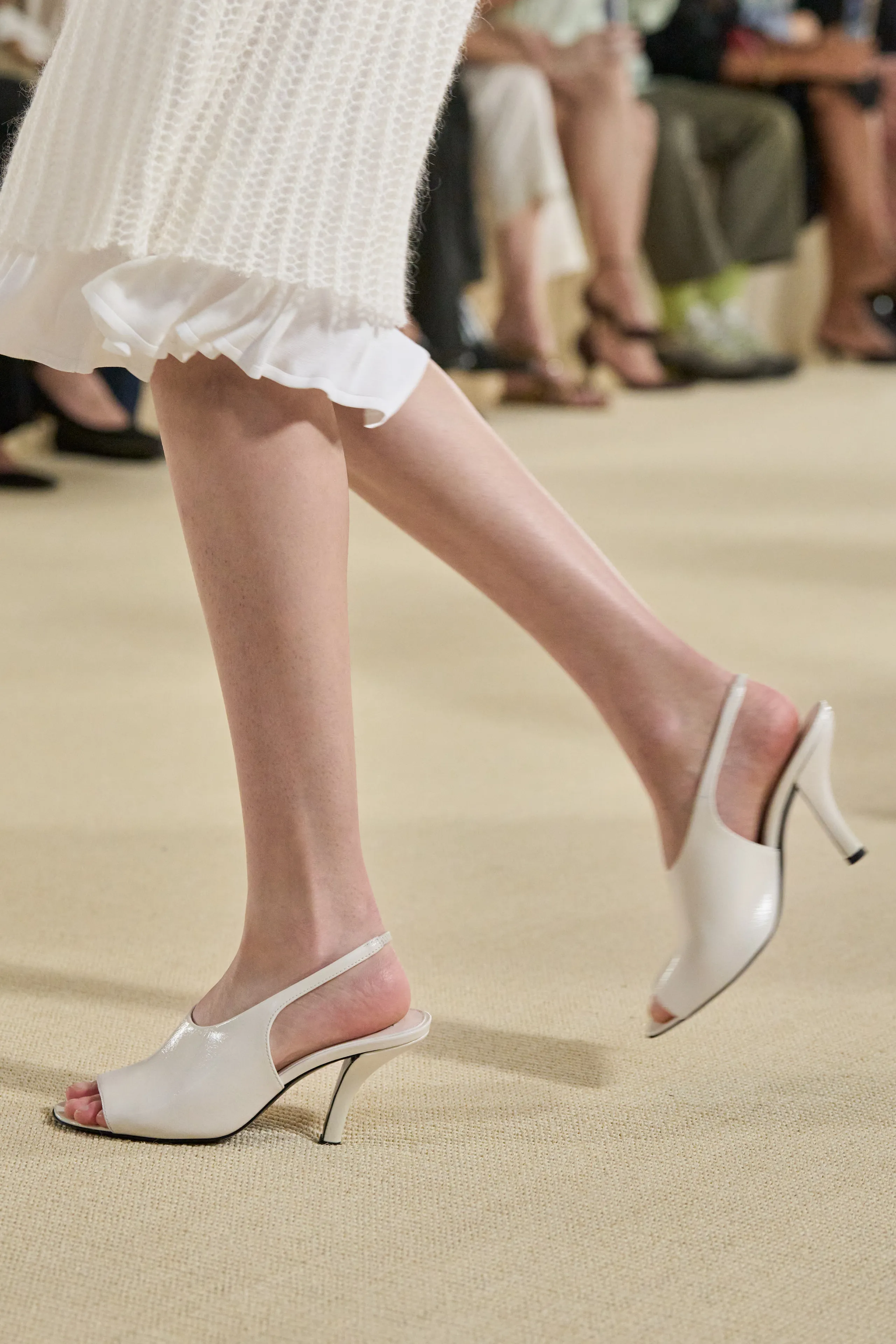
According to Buying Square's actual wholesale transaction data, the order patterns of these three brands share clear common traits: 'overwhelming reorder rates' and 'the absence of seasonal noise.'
Unlike micro-trend brands — where orders flash upward on buzz and cut off just as fast — buyers who enter these brands keep placing repeat orders continuously, regardless of season.
Three Brands, Three Colors of Growth Strategy
① Lemaire: 10x Growth Without Advertising
Revenue leapt from €10 million in 2019 to €100 million in 2024. The brand recently opened flagship stores in Shanghai and Beijing back to back, yet creative director Christophe Lemaire says, "We don't get excited about business plans." Expansion wasn't an engineered strategy — merely the result of following a market that wanted the brand this badly.
② Toteme: Zero Inventory Risk
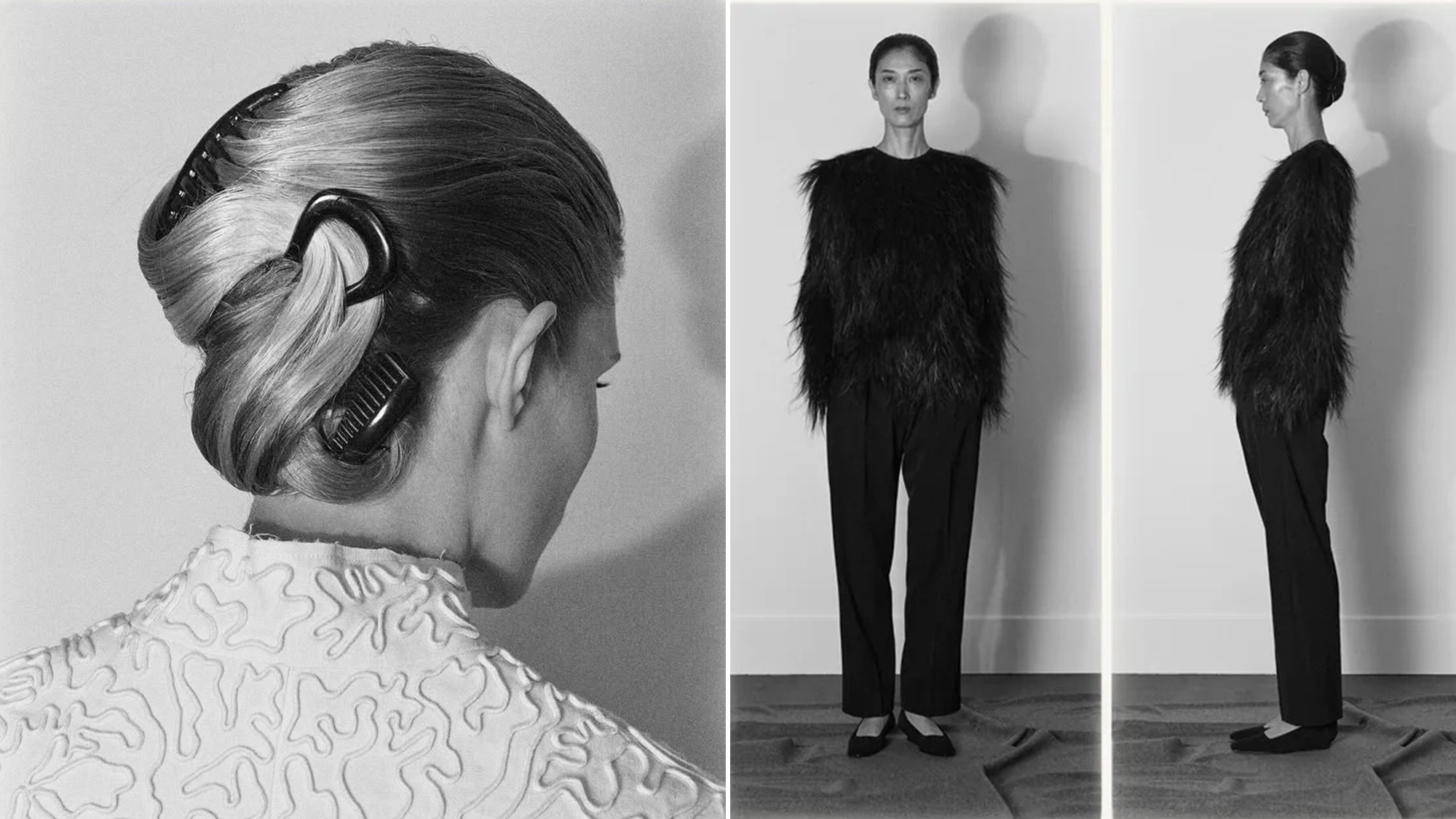
Toteme, at $110 million in annual revenue, drew the highest praise from its investor (Altor): "no fashion risk." Forty percent of its total collection is carryover. Founder Elin Kling defined the target customer as "the woman who keeps her own uniform rather than replacing her wardrobe every season."
③ The Row: The Billion-Dollar Brand That Chose Invisibility
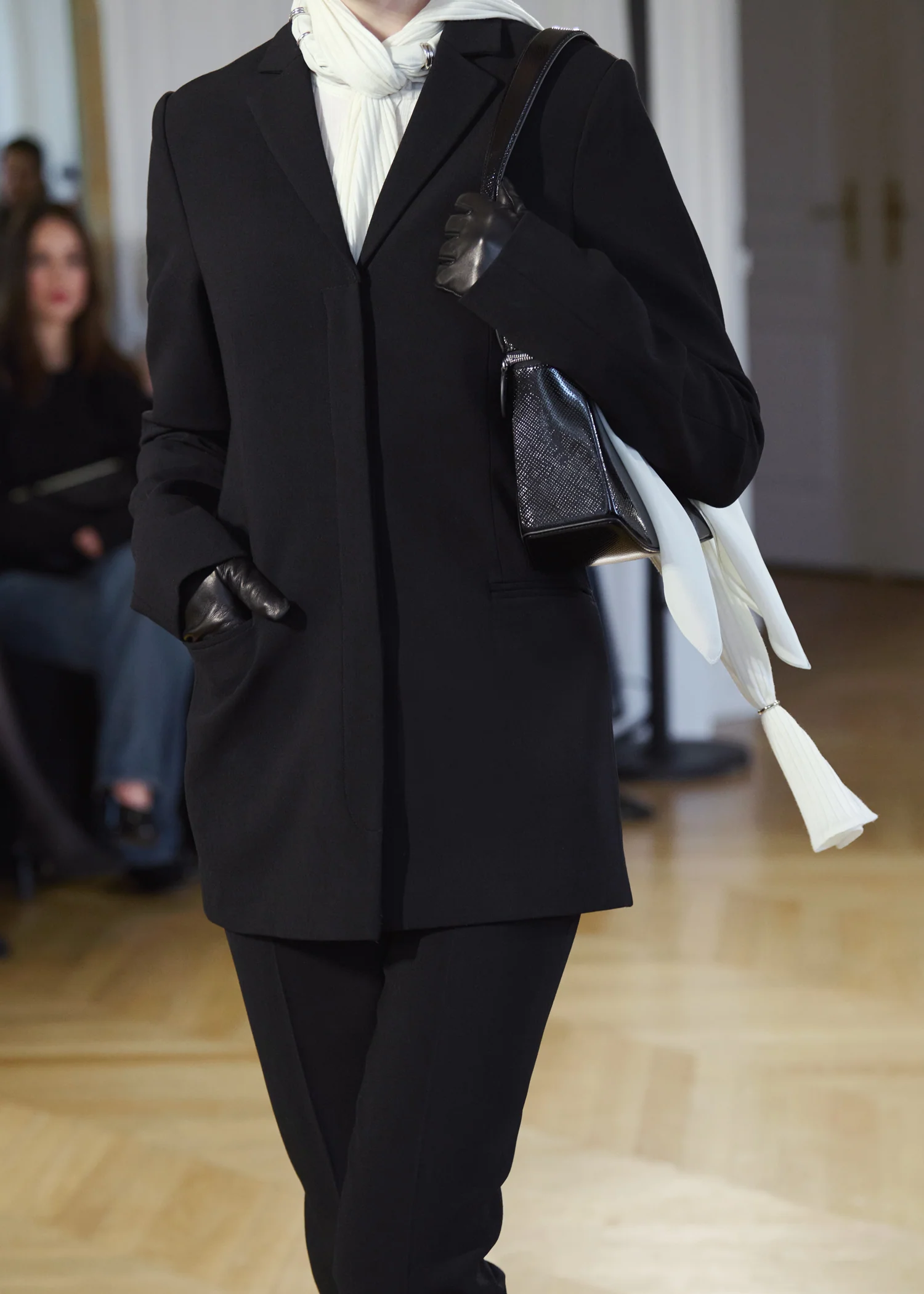
Backed by investments from Chanel's owner family and a L'Oréal heir, The Row has been valued at $1 billion. No noisy social media accounts, no advertising — the house even bans guests from using smartphones at its runway shows. In an industry that runs on visibility, it became the most valuable brand of its kind through strict 'control and scarcity.'
Why Do Consumers Open Their Wallets to Them?
The three strategies differ, but one consumer psychology cuts through all of them.
- Micro-Trend Fatigue
Exhausted by weekly floods of "this season's must-haves," consumers have begun asking: "Can I still wear this five years from now?" - Redefining Smart Spending
Under the pressure of rising prices and tariffs, a rational calculation is at work: wearing one Lemaire jacket for five years beats buying five Zara jackets every season. - Claiming the Market Vacuum
Luxury pricing drifted too far away; fast fashion is too flimsy. Toteme ($450–600), Lemaire ($600–900), and The Row ($1,500–3,000) each filled — at different price tiers — the same empty seat: "quality that's accessible, yet completely explains itself."
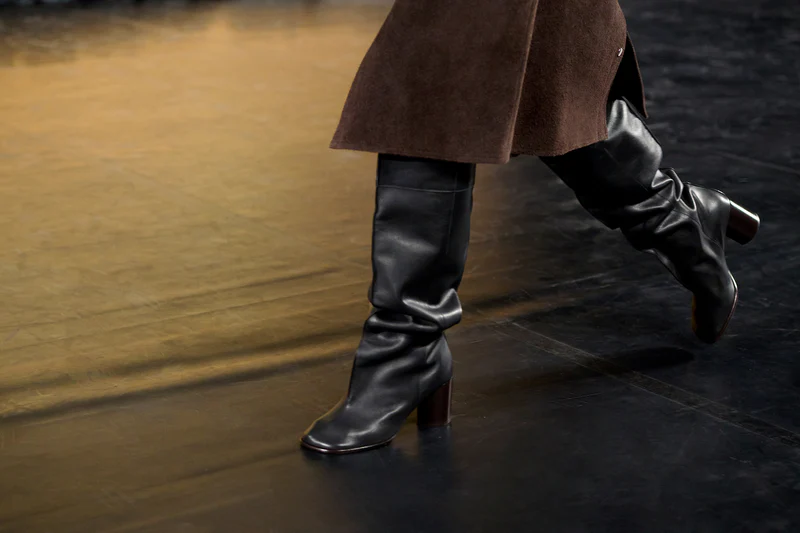
The Retail Buying Guide
While orders for other brands with similar moods (Baserange, Auralee, etc.) stalled, the key to these three brands' survival is 'the persistence of storytelling.' Don't buy by asking "what's new this season?" — buy by asking "how does this brand deepen as time passes?"
Lemaire
Asian DTC touchpoints are strengthening. Wholesale buyers should be thinking about how to curate the brand's 'relaxed yet energized' mood inside their own stores.
Toteme
A 40% carryover share means near-zero inventory risk for buyers. Take full advantage of a structure where bestsellers can be reordered steadily — before you've even seen the new collection.
The Row
It demands extremely selective partnerships — but once in, it's the cheat key to the most stable, loyal customers there are.
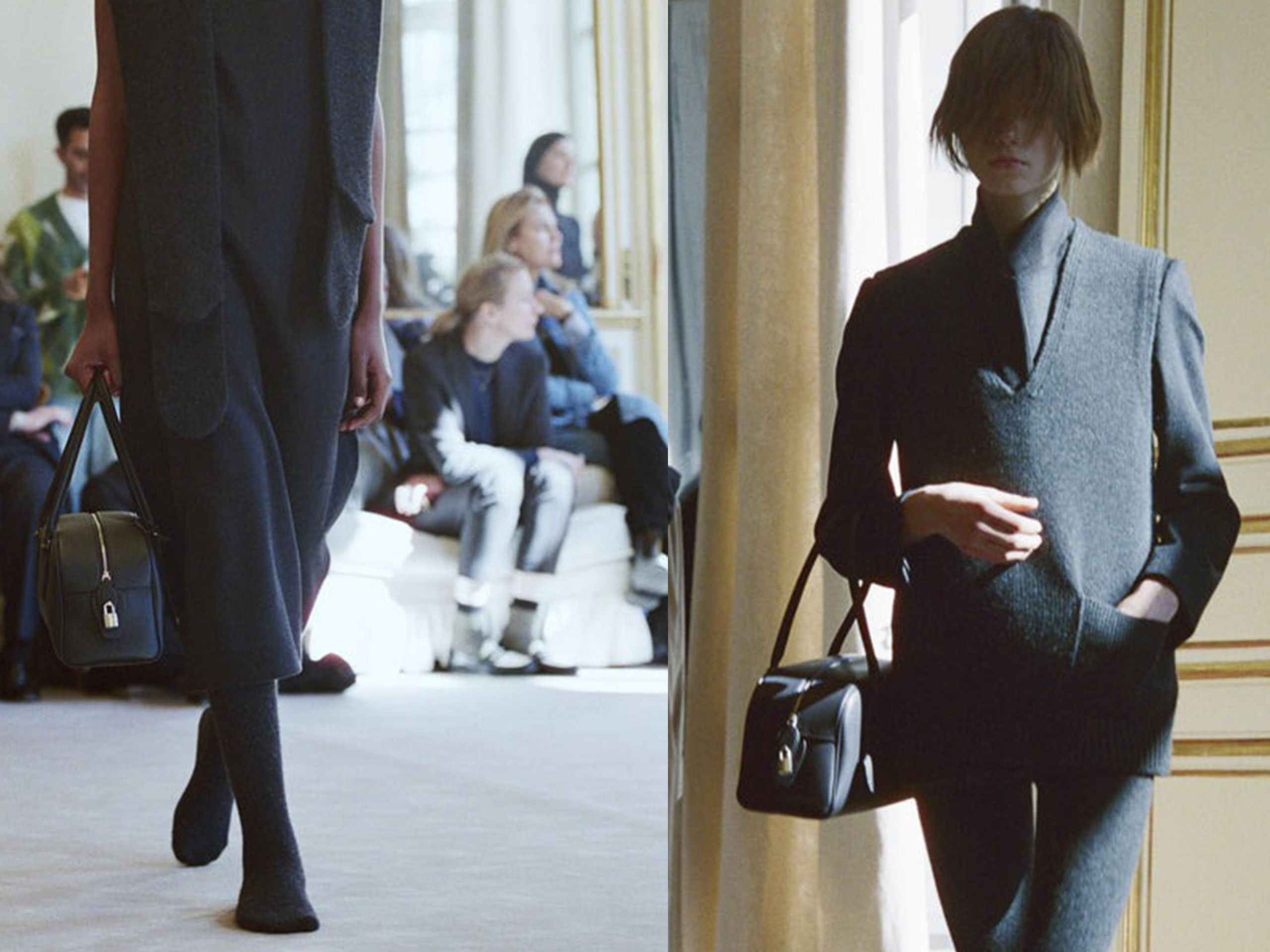
Brand Storytelling
The Toteme Founder's Past
Founder Elin Kling comes from the first generation of famous fashion bloggers. It's the backbone of Toteme: a 'trendless brand,' built by someone who witnessed from fashion's very center how fast trends go cold.
Lemaire and Uniqlo
Lemaire took equity investment from Uniqlo's parent (Fast Retailing), yet its brand operations remain strictly independent. With the main line and the 'UNIQLO U' collaboration kept perfectly separate, it's the most refined partnership case in the industry.
The Row's No-Phone Policy
The runway smartphone ban is packaged as a 'scarcity strategy' for the Instagram age — but in truth, it's the founders' pure philosophy, held since the early 2010s, before social media ever seized fashion.