The 2026 Mega Trend Is... the Daily Uniform?
Decision fatigue rewrote the fashion market's rules. An analysis of the daily uniform trend's origins and sourcing insights.
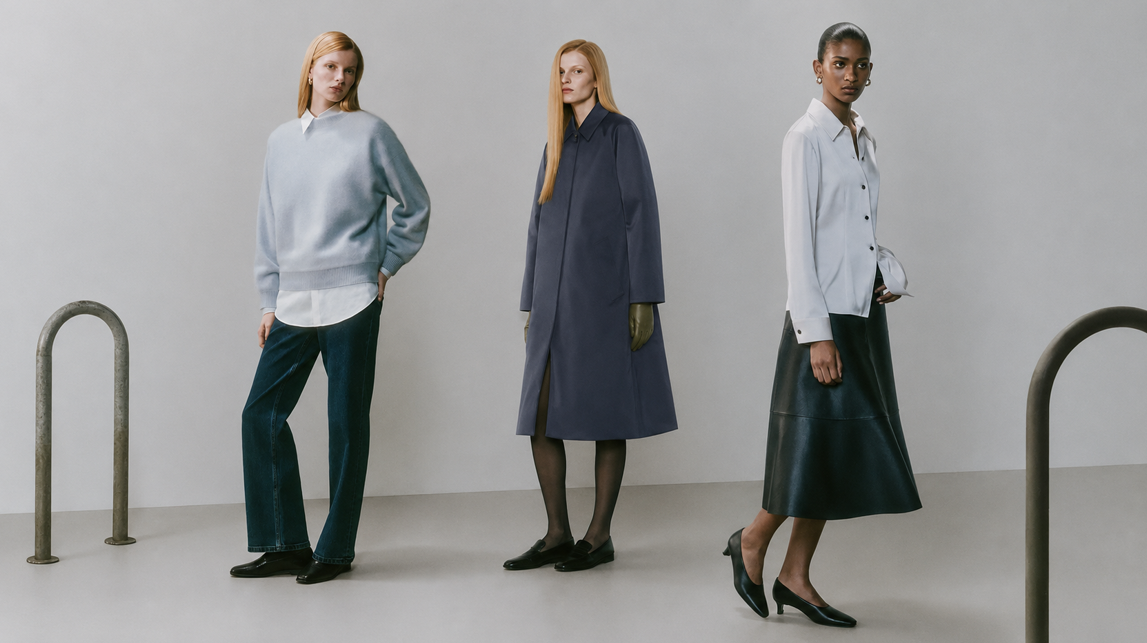
In 2026, the most powerful mega trend cutting through the global fashion market is, paradoxically, the 'uniform.'
Uniform here doesn't mean identical dress. It means the consumer psychology of building 'my own fail-proof wardrobe formula' — one that guarantees a confident, refined fit in any combination on a rushed morning.
Here's an analysis of the origins of this vast 'uniform mindset' — which Forbes, WWD, Brandwatch, and other global data all point toward — and the buying insights.

The Result Decision Fatigue Made
Social data analysis platform Brandwatch analyzed 68.2 million social conversations and found that 2026 fashion's core has moved completely — from 'variety' to 'refinement.'
- Mentions of 'basic items' up 11% year over year
- Mentions of 'casual looks' surging 39%
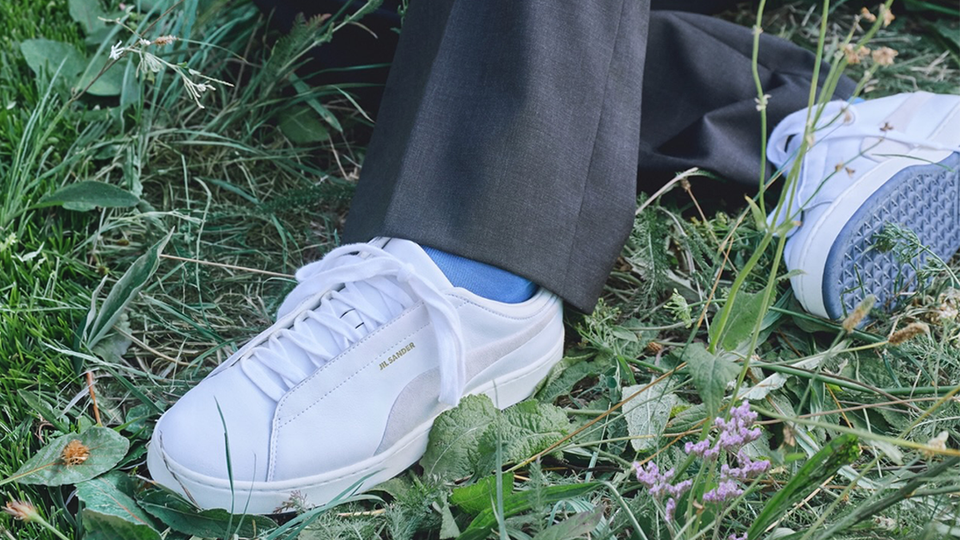
Consumers worn down by 'decision fatigue' — the daily deliberation before the wardrobe — are filling their closets with consistent, easy 'daily uniforms': the classic t-shirt, well-cut tailored pants, the multi-purpose skirt that goes with everything.

The Return to Office and Workwear's Evolution
The biggest structural backdrop to this uniform sensibility is the 'return to office' at major global companies. With four-plus office days a week routine again, women's wardrobes are evolving once more.
But this is no regression to the stiff, uncomfortable office look of the past.
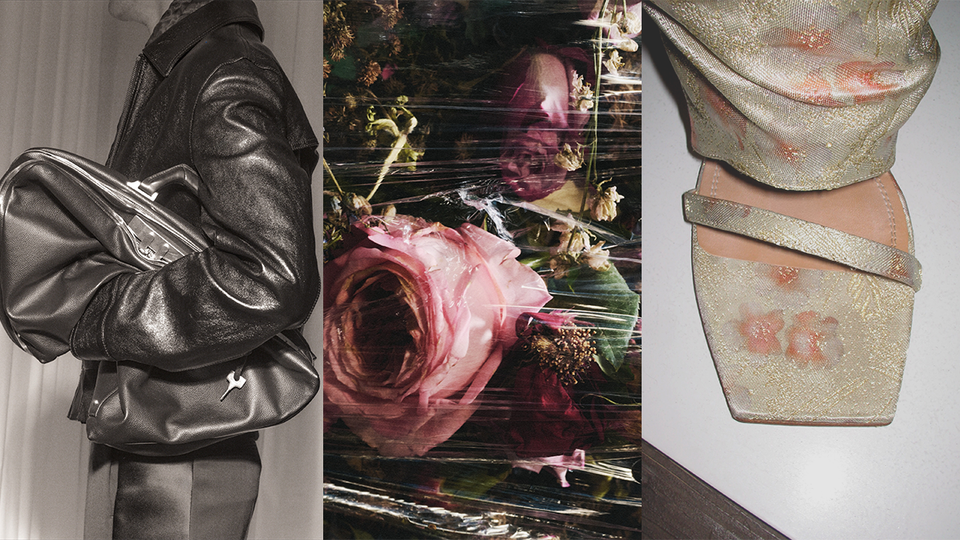
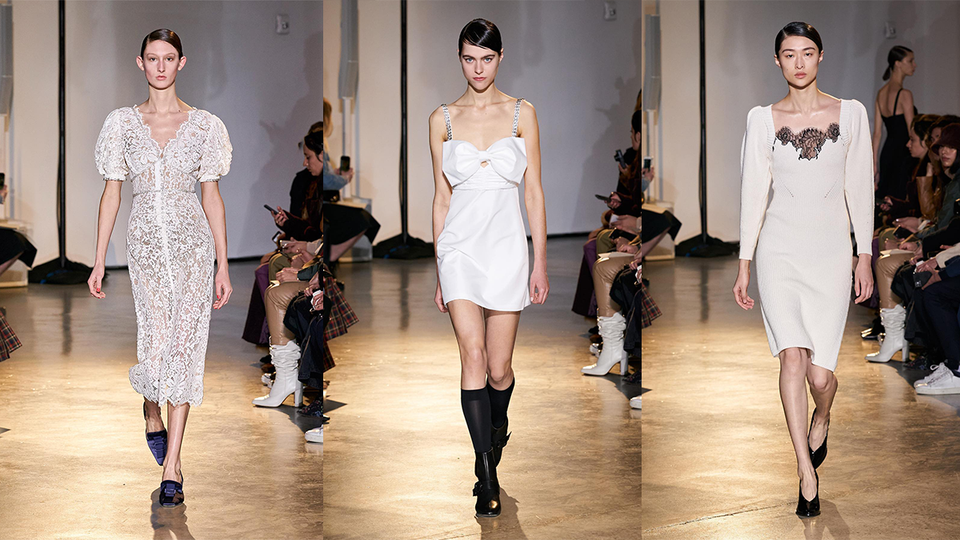
The SS26 runways of the luxury houses — Chanel, Bottega Veneta, Celine — jointly proposed 'the versatile fit that carries from office to café to weekend grocery run': razor tailoring plus modern ease, gently reinterpreting rigid formalwear into the everyday daily uniform.

From Logo to Fabric
This quiet luxury and uniform trend is clearly confirmed in B2B wholesale transaction data as well.
- In place of ostentatious oversized graphic logos, demand for 'tone-on-tone embroidery' — refined elegance — rose 40%.
- The more minimal the design, the more material excellence matters: the 'fabric first' phenomenon is unmistakable. Buyer demand is surging for high-performance premium materials that hold comfort and refinement at once — Pima cotton, heavy French terry, mercerized wool blends.

Who Wins?
Menswear's 'aspirational realism,' womenswear's 'daily uniform,' high-end's 'quiet luxury' — three languages pointing, in the end, in one direction:
"Wear less. Let one overwhelming piece do the talking."
The Luxury Institute named the brands positioned to keep flourishing within this great current: Brunello Cucinelli, Loro Piana, Bottega Veneta, and The Row.
What they share is clear: logos absent or small, material overwhelming all design, and clothes untouched by seasonal trend — 'clothes that, like a uniform, are always right.' Select shop buyers should now concentrate their curation not on prolific brands leaning on shallow trends, but on 'explainable, material-centered brands' their customers can invest in properly — even if they buy less.