Tectonic Shifts in China's Premium Running Shoe Market
The Chinese market opens its wallet for premium running shoes — and the cross-border sourcing strategy to match.
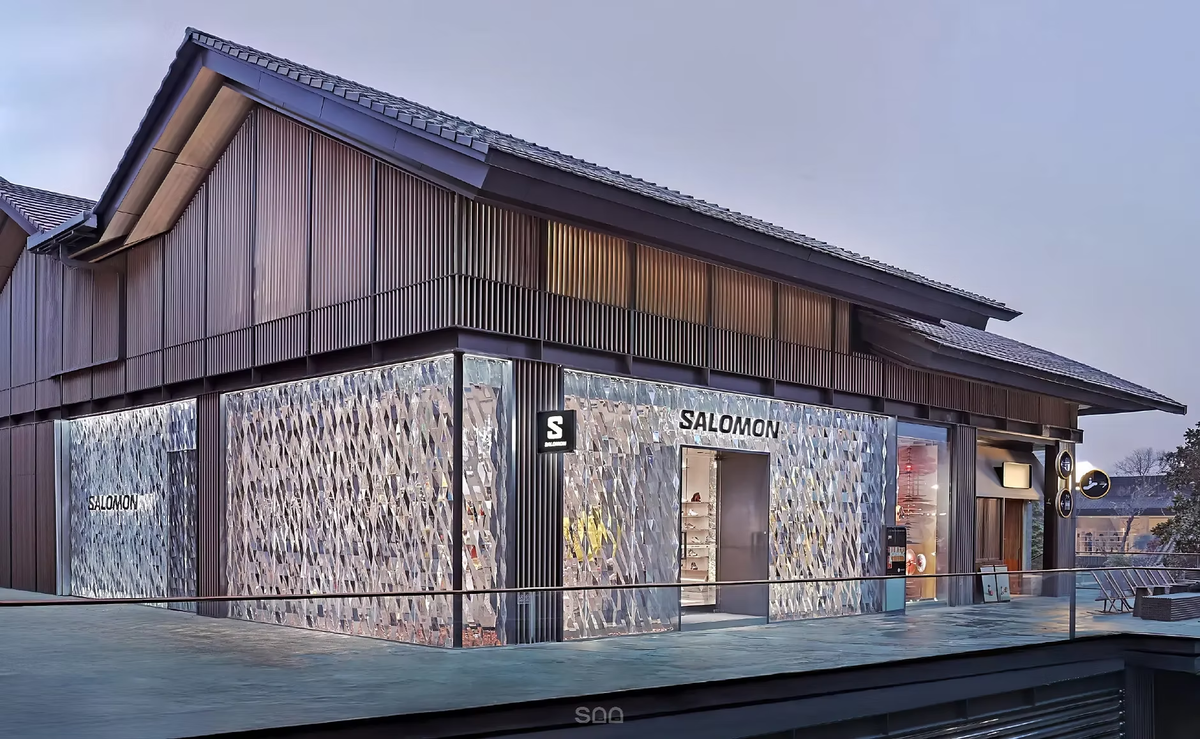
The once-unshakable Nike-Adidas duopoly in the global sportswear market is being redrawn. Meanwhile, the premium sports brands that cut into the gap — Salomon, HOKA, On — are breaking all-time records day after day.
What's fascinating: the epicenter of this explosive growth isn't North America or Europe. It's Greater China.
Why are Chinese consumers — once hesitant to spend more than $50 on athletic shoes — suddenly opening their wallets for premium running shoes? Here's an analysis of the structural changes in China's 2026 sportswear market, and the sourcing insights cross-border buyers targeting China should note.

'China Power,' Proven by the Data
Look at the earnings reports global sports brands recently filed with the NYSE, and it's plain how powerfully the Chinese market is lifting their growth.
Salomon (Amer Sports Group)
As of Q1 2026, the outdoor performance division led by Salomon grew 42% year over year — driven above all by Greater China (+45%). Greater China now accounts for a full 31.7% of Amer Sports' total revenue, establishing itself as a core market larger than the brand's homeland or the US.
On and HOKA
On broke $1 billion in quarterly revenue for the first time in its history (+26.4%), while HOKA grew 18.5% on the strength of high full-price sell-through. For both brands, powerful high-end demand in China's major cities serves as the backbone defending group-wide margins.

Three Tectonic Shifts in China's Sportswear Market
Behind the explosive growth of premium niche brands — even as Adidas's China share fell from 19% to 10% — lie massive structural changes in Chinese society.
The State-Led 'National Fitness' Policy
The Chinese government has made "improving the health of the entire population" an explicit goal, declaring it will raise the sports industry's GDP contribution to 5%. State-level support is igniting a running boom and directly pushing consumer lifestyle change upward.
The Polarization of the Athletic Shoe Market
According to a Chinese securities firm report (Q4 2025), the market has split perfectly at the average unit price of 362 yuan (about $50). Premium brands above 1,000 yuan — Salomon, HOKA — surged as much as 69%, while low-priced local brands under 200 yuan uniformly posted declines of 10–20%. Proof that Chinese consumers now spend only on 'unmistakable premium,' not half-hearted value plays.
The Running Shoe as the New Rank Insignia
Premium running shoes are taking over the role once played by the Jordan series and flashy luxury sneakers. For young professionals and Gen Z in Beijing, Shanghai, and other major cities, an expensive running shoe functions beyond athletic gear — as a powerful status symbol proving one's 'healthy, unhurried lifestyle.'

Target the Local Channel's Blind Spot
The explosive premium running shoe demand in China points Korean cross-border buyers — those operating on Greater China platforms like POIZON, or running reverse-import and wholesale businesses into the region — in a very clear sourcing direction.
With global sports brands building dense D2C channels and sales subsidiaries on the ground in China, competing on mainstream lineups readily available in local brand stores is meaningless. The buyer's battleground must be set squarely on 'scarcity.'
Exclusive Cross-Border Sourcing
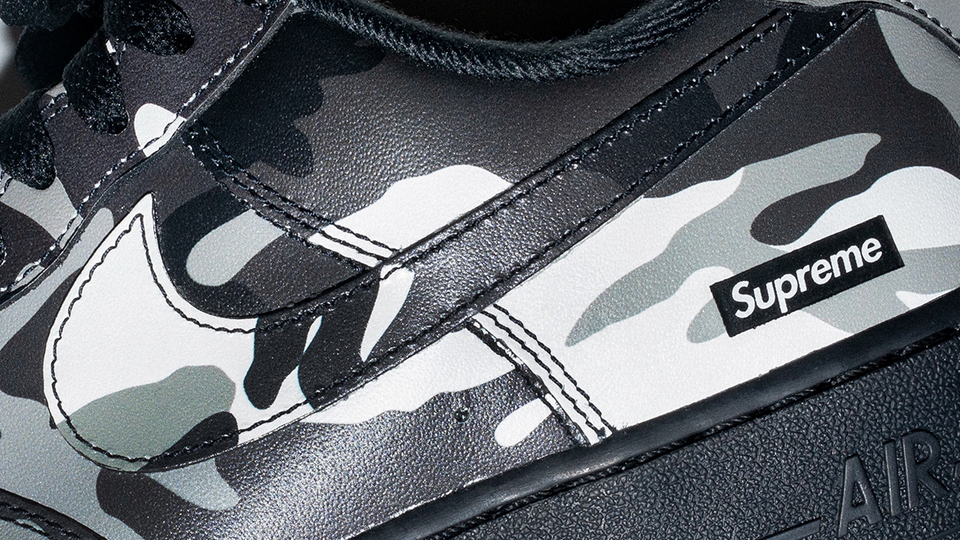
Concentrate the sourcing budget on exclusive colorways released only in Korea or specific global markets, special capsule collections, or collaboration models with high-fashion designers.
Absorbing Premium Resale Demand
China's fashion-engaged consumers, wallets now open for premium running shoes, willingly pay a premium through cross-border channels for rarer, more special items unavailable in local stores. Reading mainland inventory flows and preemptively B2B-buying into the gaps they can't fill through official channels — that is the surest margin formula for China-facing business in 2026.