AAKAM's Growth Formula: Silhouette Over Logo
AAKAM's originality, product diversification, and global expansion.
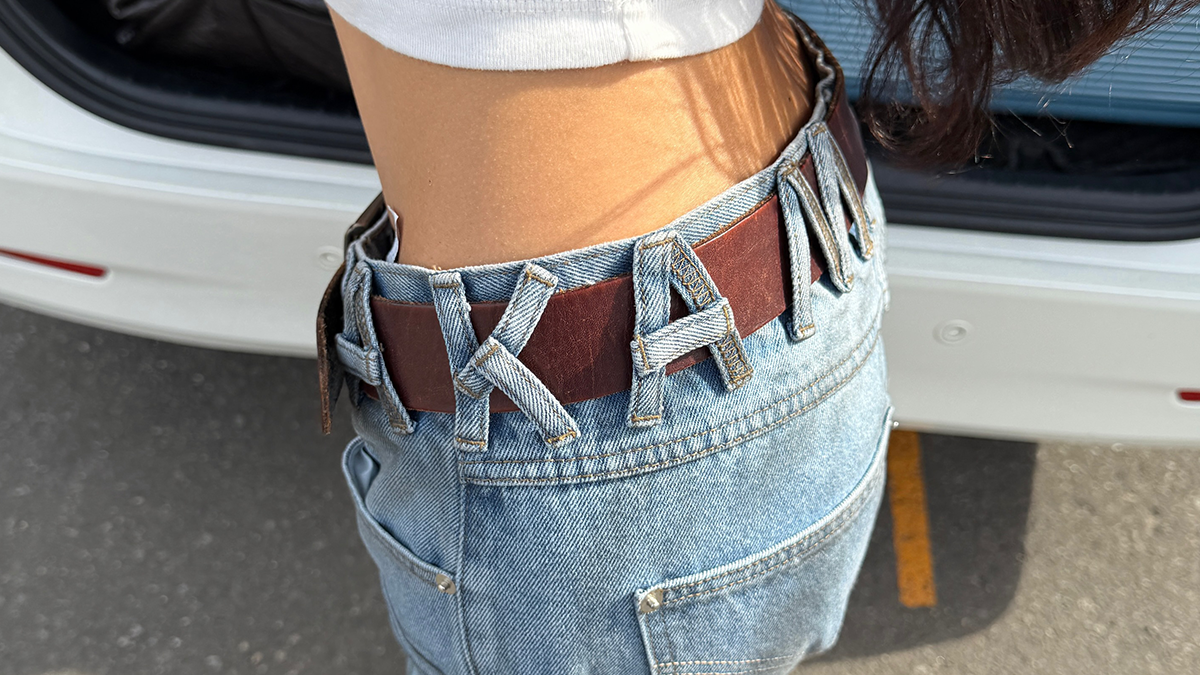
In the FW26 season, AAKAM's denim became a talking point in fashion communities and on social media. The reason was a distinctive detail: the denim waistband itself was cut to form the letters "AAKAM."
Rather than putting its logo front and center, AAKAM has built its design language through the silhouettes, materials, and details of its clothes. Its transaction volume grew from about $1.4 million in 2024 to about $7.2 million in 2025, and this year it is targeting about $18 million.
How has AAKAM, focused on the clothes themselves rather than its logo, grown?
Turning the Archive into Modern Silhouettes
AAKAM is a vintage casual brand launched in August 2022 by parent company Younggwangui. AAKAM stands for Archive Also Known As Manufactory, a name that captures the brand's direction of archive and manufacturing.
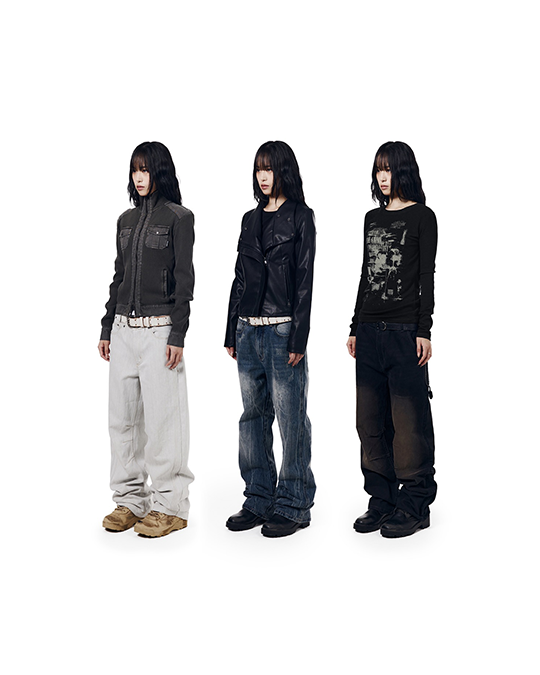
The brand focuses on military and workwear archives from the 1990s to the late 2000s. Rather than reproducing past garments as they were, it adds modern patterns, flexible silhouettes, and its own washes to translate them into everyday wear for today.
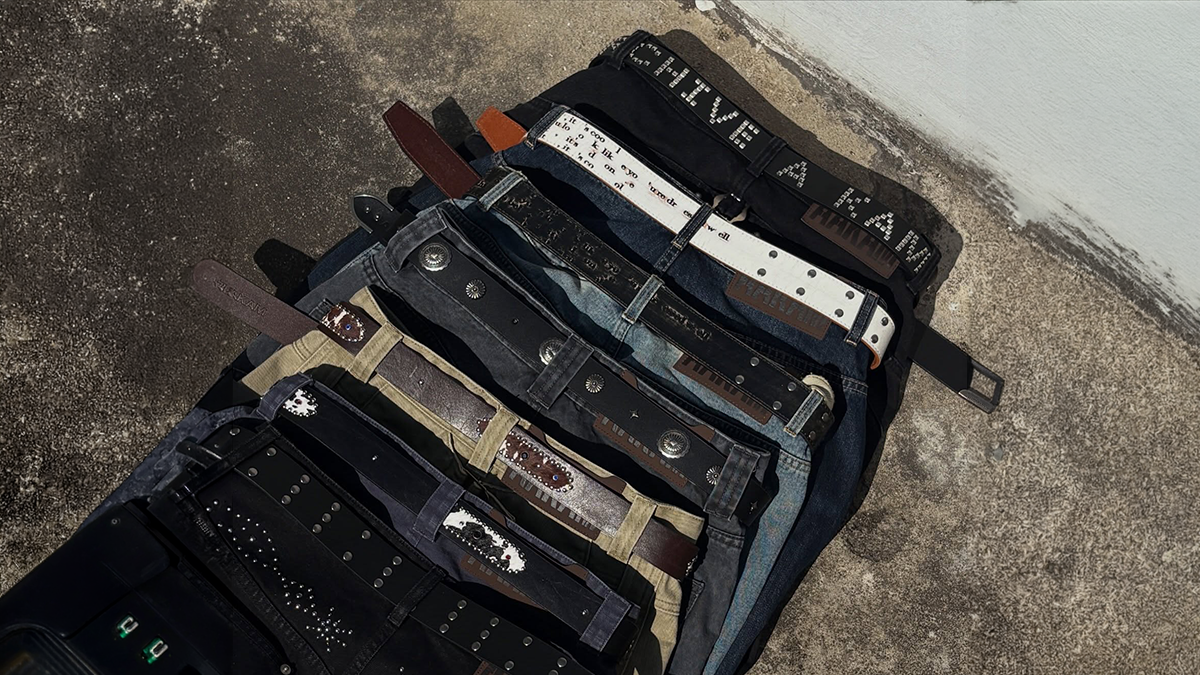
AAKAM's design language is also shaped through this process. Rather than emphasizing a particular logo, it builds the brand's own impression by repeatedly showing its patterns, finishing methods, and details.
This FW26 denim can be seen as an extension of that approach. The detail of transforming the waistband itself into the letters "AAKAM" is an example of embedding the brand name within the garment's structure, rather than simply printing it.
A Structure That Doesn't Rely on a Single Hit Item
Another aspect worth looking at in AAKAM's growth is its product assortment, which generates sales across multiple categories.
Its transaction volume grew fivefold, from about $1.4 million in 2024 to about $7.2 million in 2025. In 2026, it is targeting about $18 million in revenue.
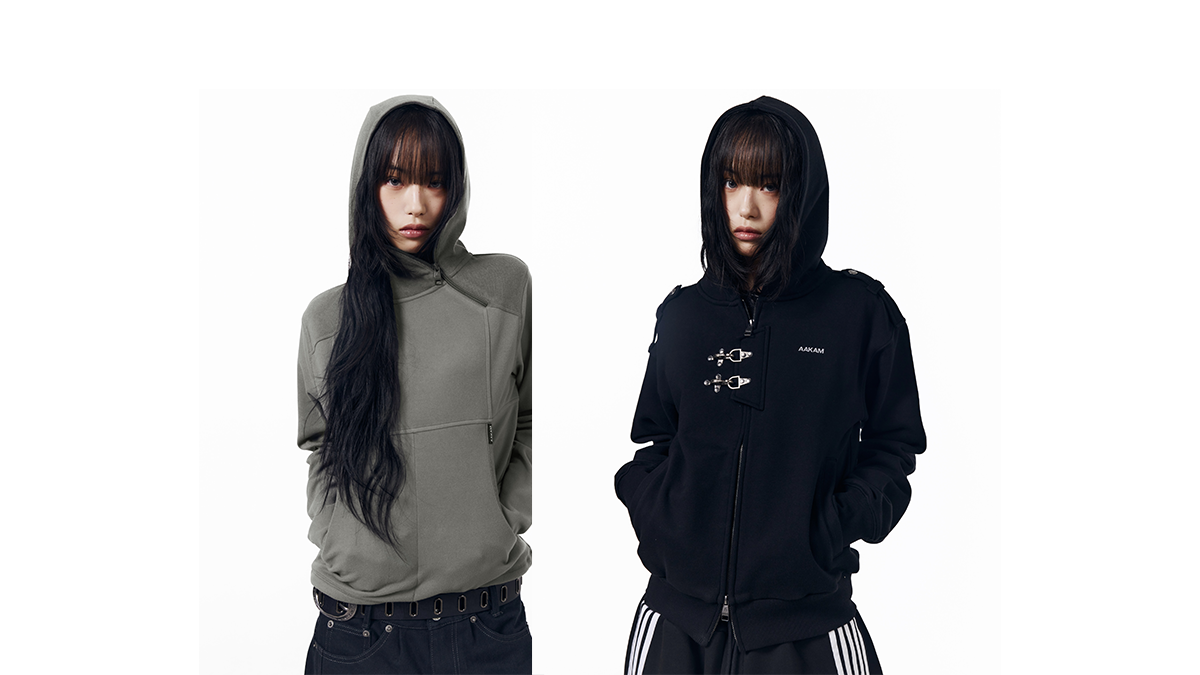
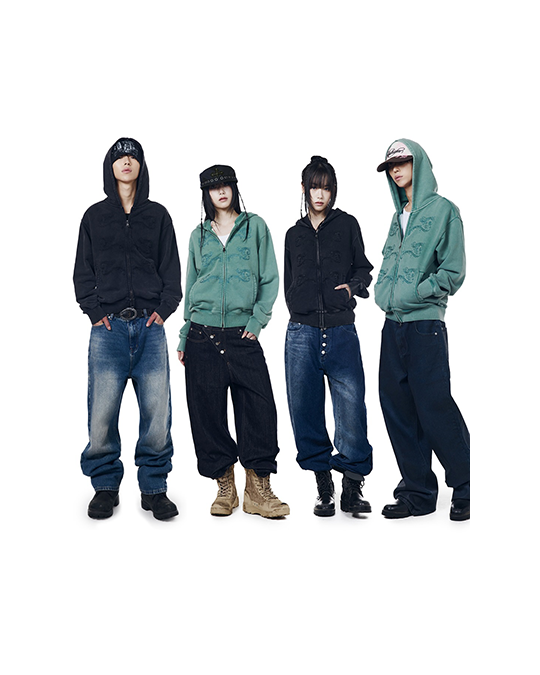
By expanding its product range from pants to jackets, leather, and denim, it is building a structure that doesn't depend on any single item. In particular, alongside its pants line centered on its knee pintuck pants, it continues to generate sales in military jackets, leather, denim, and more.
Unlike an approach in which a single viral item drives brand growth, this approach extends interest across the entire product range by applying a consistent design language to multiple categories.
This structure is worth looking at as a foundation for sustained brand growth, in that it allows demand to carry over into other categories even after a particular product's trend has passed.
From Online to Offline, and Overseas
After growing primarily online, AAKAM is widening its touchpoints to offline and overseas markets.
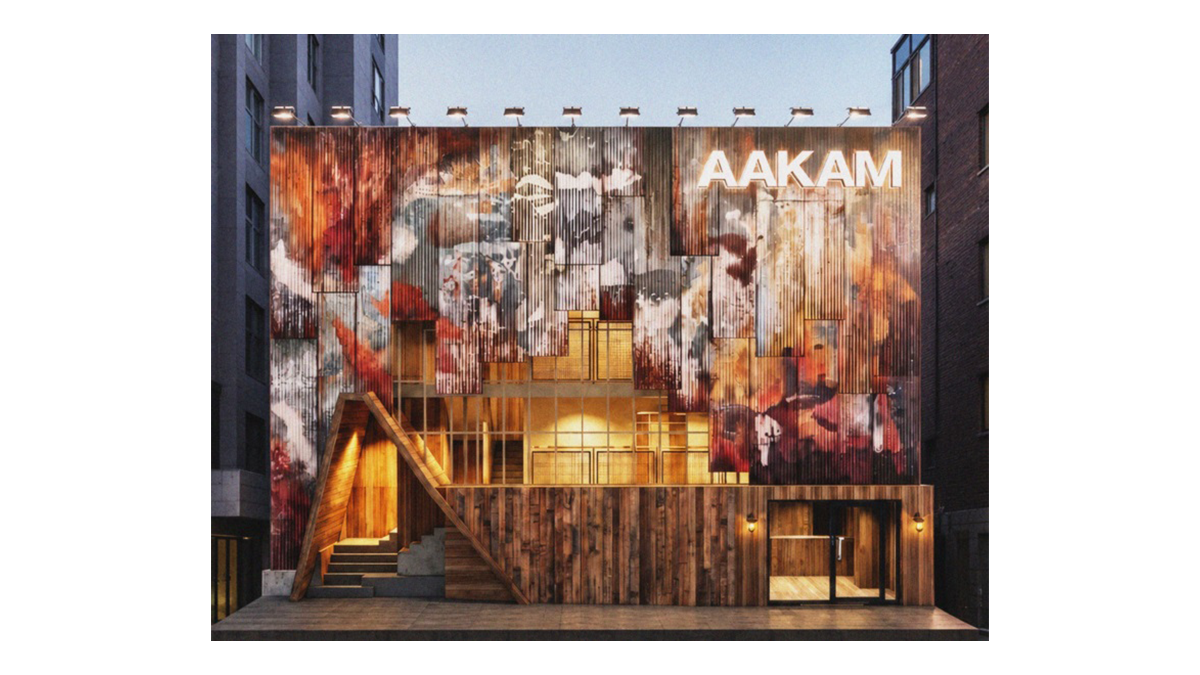
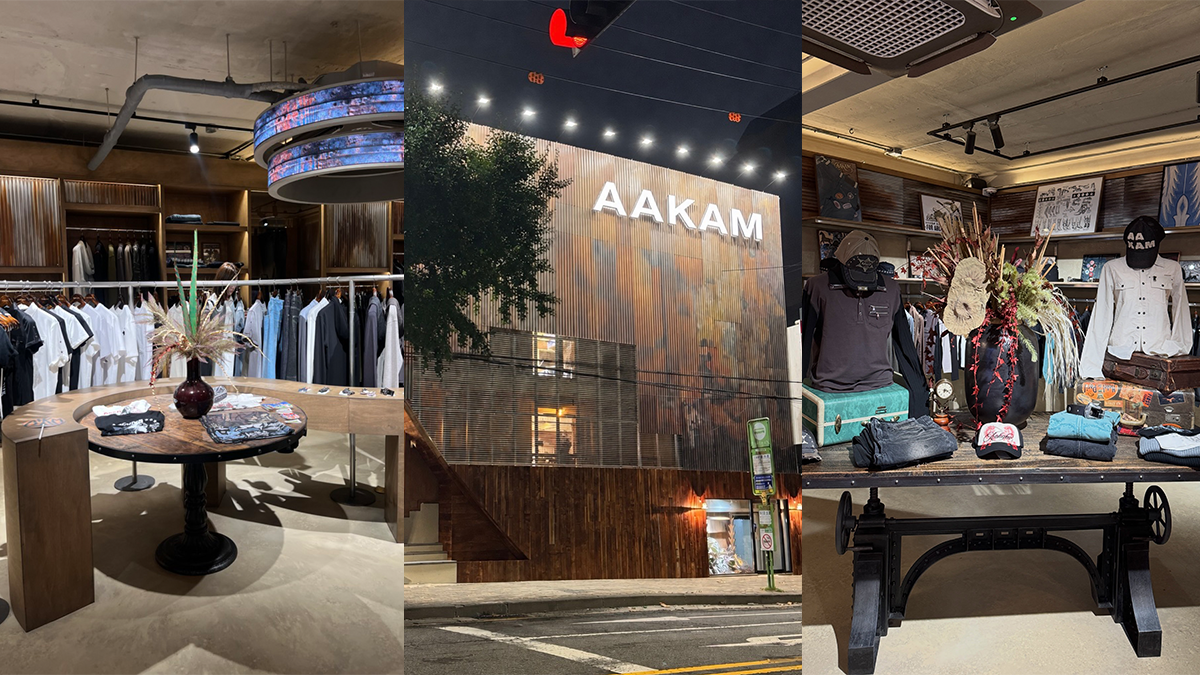
It opened its first flagship store in Yeonnam in April 2025, and added a second flagship store in Seogyo-dong in August 2026.
For a brand like AAKAM, where materials, washes, and silhouettes matter, offline stores can serve as touchpoints where customers experience the products firsthand. That's because the process of trying on clothes and checking fabrics and details in person can reveal strengths of the brand that are hard to convey online.
Overseas expansion is also continuing. In March 2026, it signed a three-way memorandum of understanding with Musinsa and KOTRA in Chengdu, China. Using Musinsa's local distribution infrastructure and KOTRA's trade network, it is laying the groundwork for expansion into China and other Asian markets.
It's a flow of confirming demand online, broadening the brand experience offline, and then preparing for the next stage of growth through overseas distribution.

💡 Fashion Business Insights
A New Way of Building Brand Identity
AAKAM's case is an example worth considering for how to make a brand recognizable without prominently displaying a logo.
By consistently showing elements that steadily accumulate in its products, such as patterns, washes, silhouettes, and details, a brand can develop them into design assets of its own that go beyond any single season's trends.
The Conditions for Category Expansion
When expanding a product range from pants into jackets, leather, denim, and beyond, it's worth looking at an approach that shows the same brand design language in each product, rather than simply increasing the number of categories.
Like AAKAM, applying a clear direction of archive and manufacturing across multiple categories is a method worth referencing for extending customer interest beyond individual items to the brand as a whole.