Why H&M Took to the Runway
H&M's strategy to elevate its brand image and its use of the runway as a content engine.
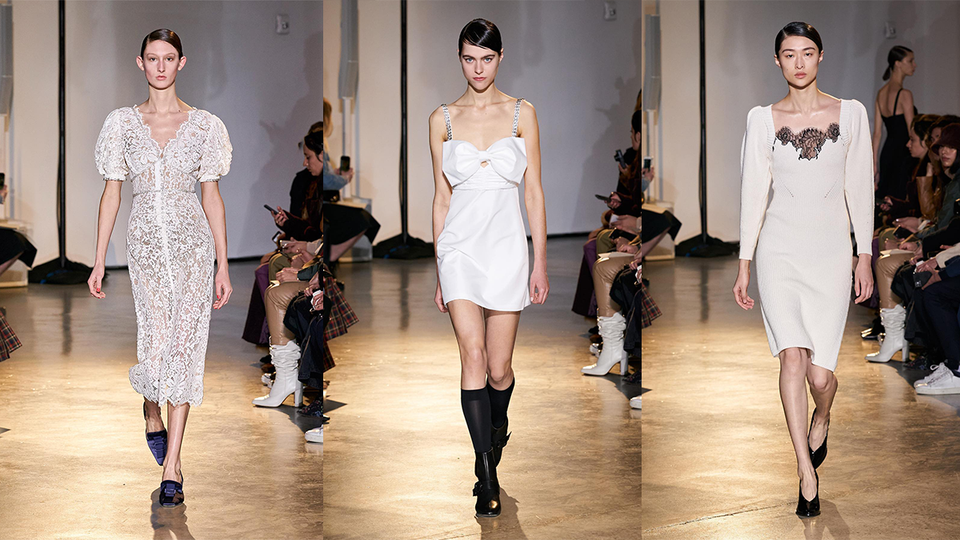
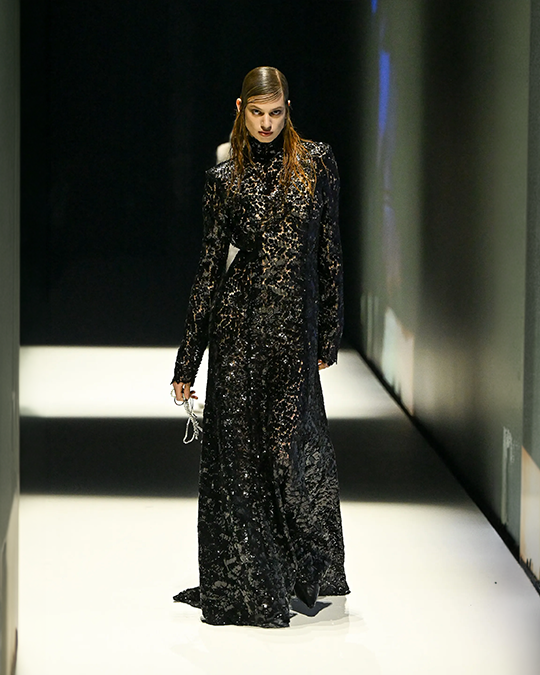
On the first night of London Fashion Week (LFW SS27) in September 2026, H&M closed out Day 1 with a show called "H&M&YOU&I." Creative direction was handled by Nick Knight, a master of fashion photography and digital film, and SHOWstudio, which he leads.
The pioneer of the digital runway, who directed everything from Yohji Yamamoto's archive to Alexander McQueen's historic "Plato's Atlantis" livestream, directed a fast-fashion brand's show.
We analyze from multiple angles why H&M, which recently found itself at the center of a heated labor rights debate over its introduction of AI model clones, staged a show that put "the interaction between digital and human" front and center, and the business strategy behind mass fashion reinterpreting luxury's runway formula.
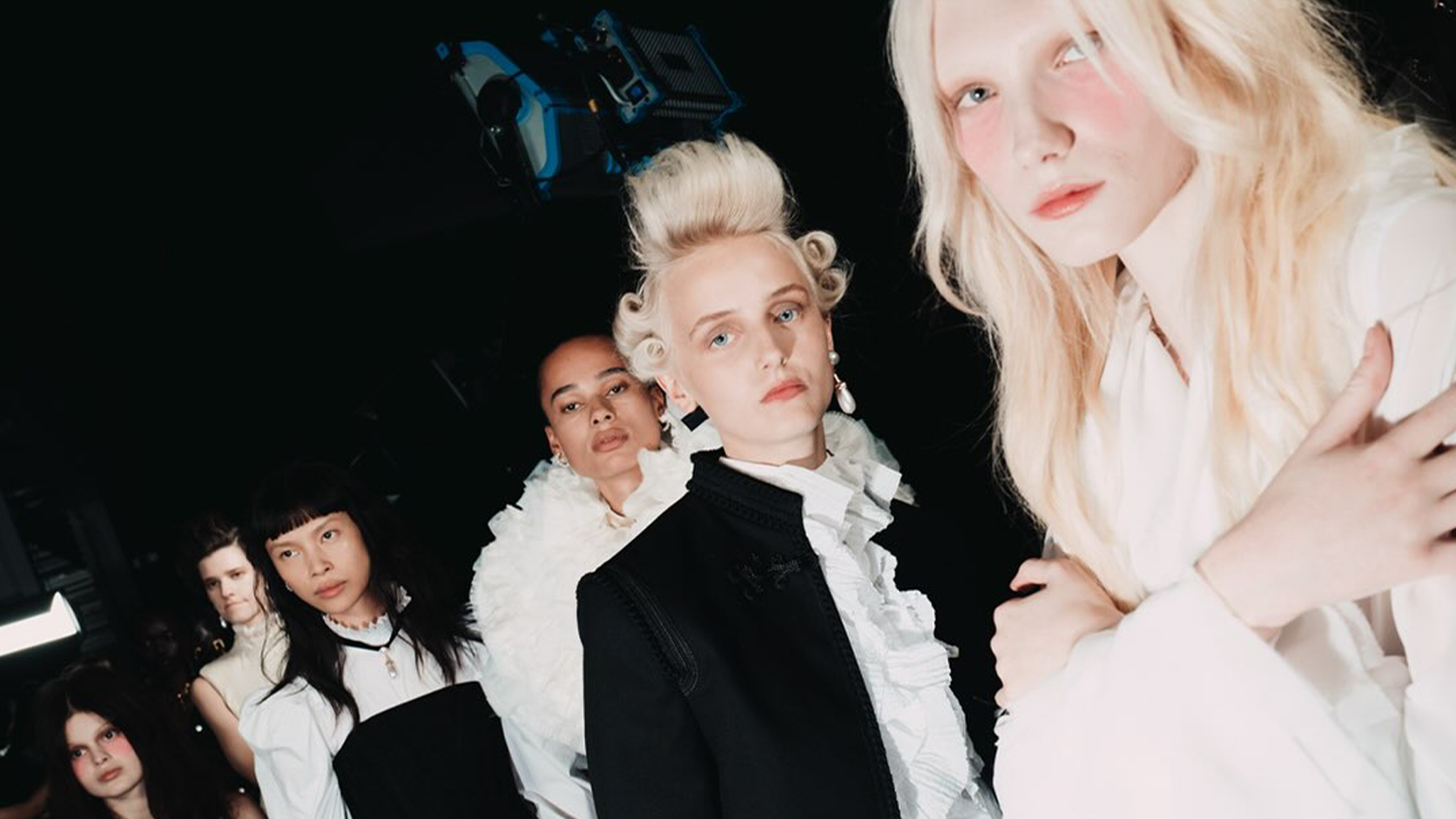
Zara's "Creative" vs. H&M's "Image" Elevation Strategy
The top challenge for the two giants of mass fashion, Zara and H&M, is protecting brand value amid price pressure from ultra-low-cost platforms such as Shein and the collapse of the "Elevated Middle" market from above.
- Zara: Took a strategy of raising its "creative stature" through its partnership with John Galliano and by casting renowned designers such as Soshi Otsuki.
- H&M: Chose a strategy of raising "the stature of how its image is delivered" by bringing on Nick Knight.
By entrusting the show to the mastermind who has refined the visual language of Yohji Yamamoto, Alexander McQueen, and John Galliano, H&M, together with its renewed collaboration with Stella McCartney, delivers a powerful repositioning message: "H&M is not cheap."
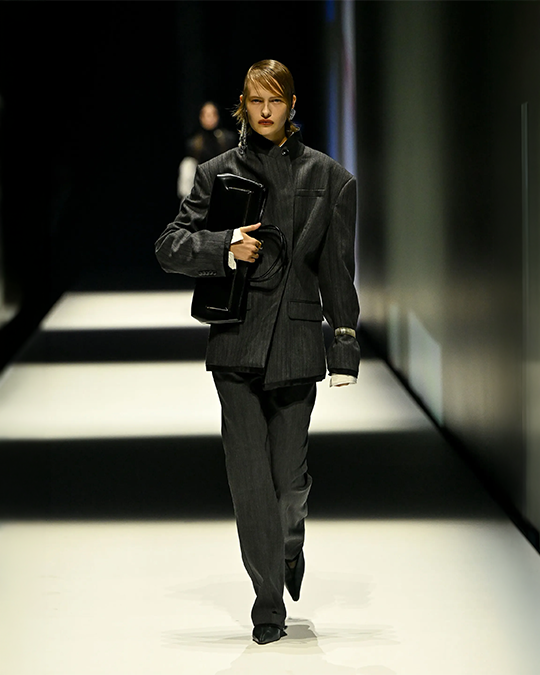
The Andersson Doctrine: A Show Is Not an Event but a "Content Broadcaster"
H&M's leadership (CCO Jörgen Andersson) has previously stated that "a show is not simply an event hoping for PR, but a broadcast platform that turns one night into months of social content."
Unlike the runway grammar of luxury houses, which hold fast to control and scarcity, mass fashion aims for maximum distribution and digital impact. If celebrity-driven, event-style shows end with one night of buzz, the stage Nick Knight designed, with 3D technology, avatars, and real-time interaction, serves as a sustainable "content engine," reprocessed into short-form and reaction videos throughout the second half of the year.
The AI Digital Twin Debate and Recontextualizing the Runway
H&M recently faced strong backlash from Equity, the UK performing arts union, which called its plan to create "AI digital twins" of 30 models "a race to the bottom that threatens labor rights and livelihoods." Although the brand didn't directly state a connection, the show can be read as an attempt to recontextualize a technology issue into an emotional narrative by borrowing the aesthetics of Nick Knight, who has treated AI not as "labor replacement" but as "artistic expression."
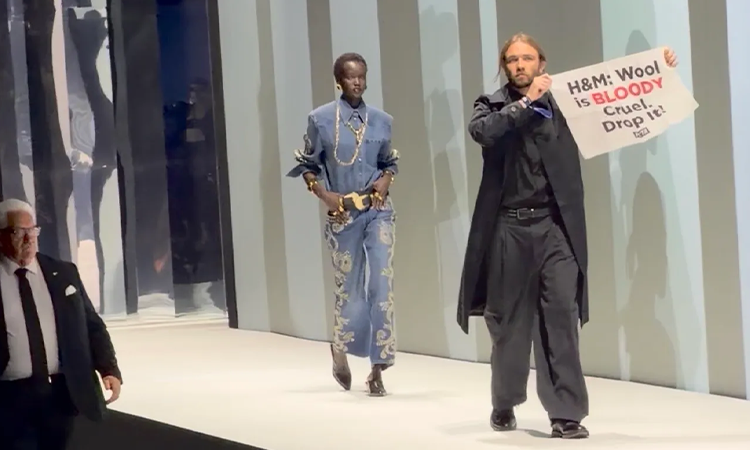
Meanwhile, at the show that day, a PETA activist stormed the runway holding a sign protesting the use of wool. From technology and labor rights debates to external pressure over sustainability, it was a stage that concentrated the challenges of the era facing the fast-fashion giant.
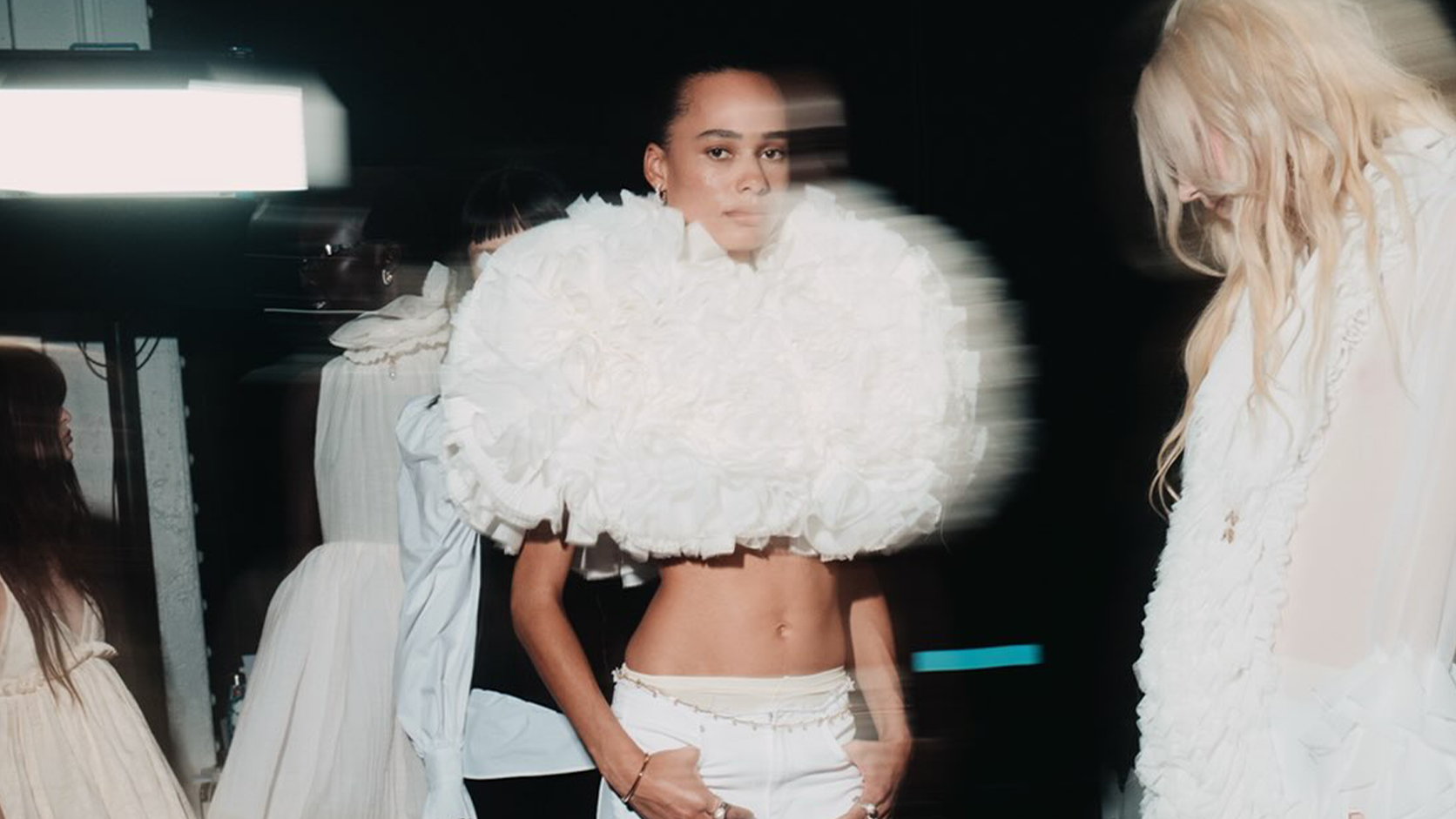
Group-Level House Tiering: COS (New York) vs. H&M (London)
The H&M Group's fashion week moves, unfolding a week apart, clearly show the precise functional division within its portfolio.
- COS (NYFW): Applied a refined, polished, upper-tier minimal grammar centered on high-end celebrities such as Christopher Briney and Jodie Turner-Smith.
- H&M (LFW): Applied a participatory subculture grammar combining technological experimentation, music (Labrinth, Kim Petras), and a party, aimed at Gen Z and the mass market.
Its ability to tier and position its own brands to fit the characteristics of New York and London fashion weeks proves that its operations have become as precise as those of global luxury groups.
💡 Buyer Insights
- Pressure on Mid-Priced Contemporary Brands as Mass Fashion Elevates
As large mass labels such as H&M, Zara, M&S, and Uniqlo significantly raise their creative and runway quality, contemporary brands at in-between price points that lack a value proposition of their own will face strong pressure to justify their prices. - Adopting the "Content Engine" Format for Events
When planning retail store pop-ups or brand events, rather than focusing on attracting one-off offline visitors, you can apply the Andersson Doctrine's 360-degree media design, which treats "the day of the event as a shoot day for content to be distributed over the following months." - Monitoring the Acceptance of AI and Digital Technology
By observing the temperature of global market opinion toward H&M's AI digital twin debate and the way it was translated into a visual show, Korean fashion and beauty brands should set guidelines for the timing of adopting AI photo shoots and avatars and for managing the associated risks.