Mulberry's Quiet Return
Mulberry's quiet turnaround strategy, proven by the numbers.
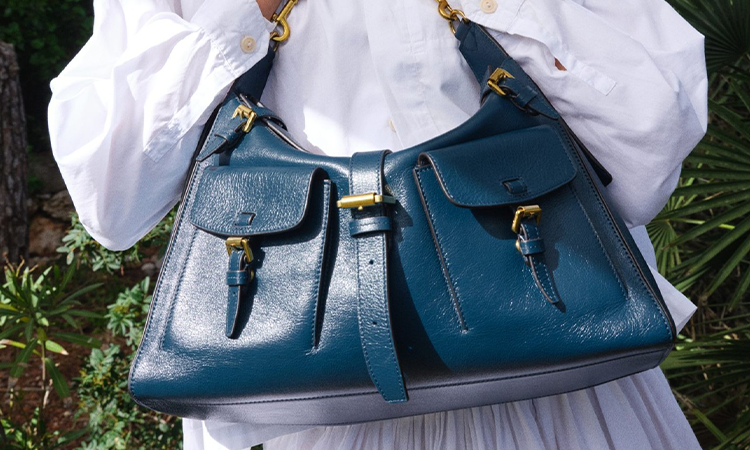
In fashion, the word "turnaround" usually comes with loud marketing, a wholesale change of celebrity ambassadors, and a big relaunch party. But the recent moves of British luxury leather house Mulberry show an entirely different texture.
There were no provocative declarations and no flashy rebranding announcements. Instead, quietly tallied performance metrics proved the brand's standing most clearly.
A "Quiet Turnaround" Proven by the Metrics
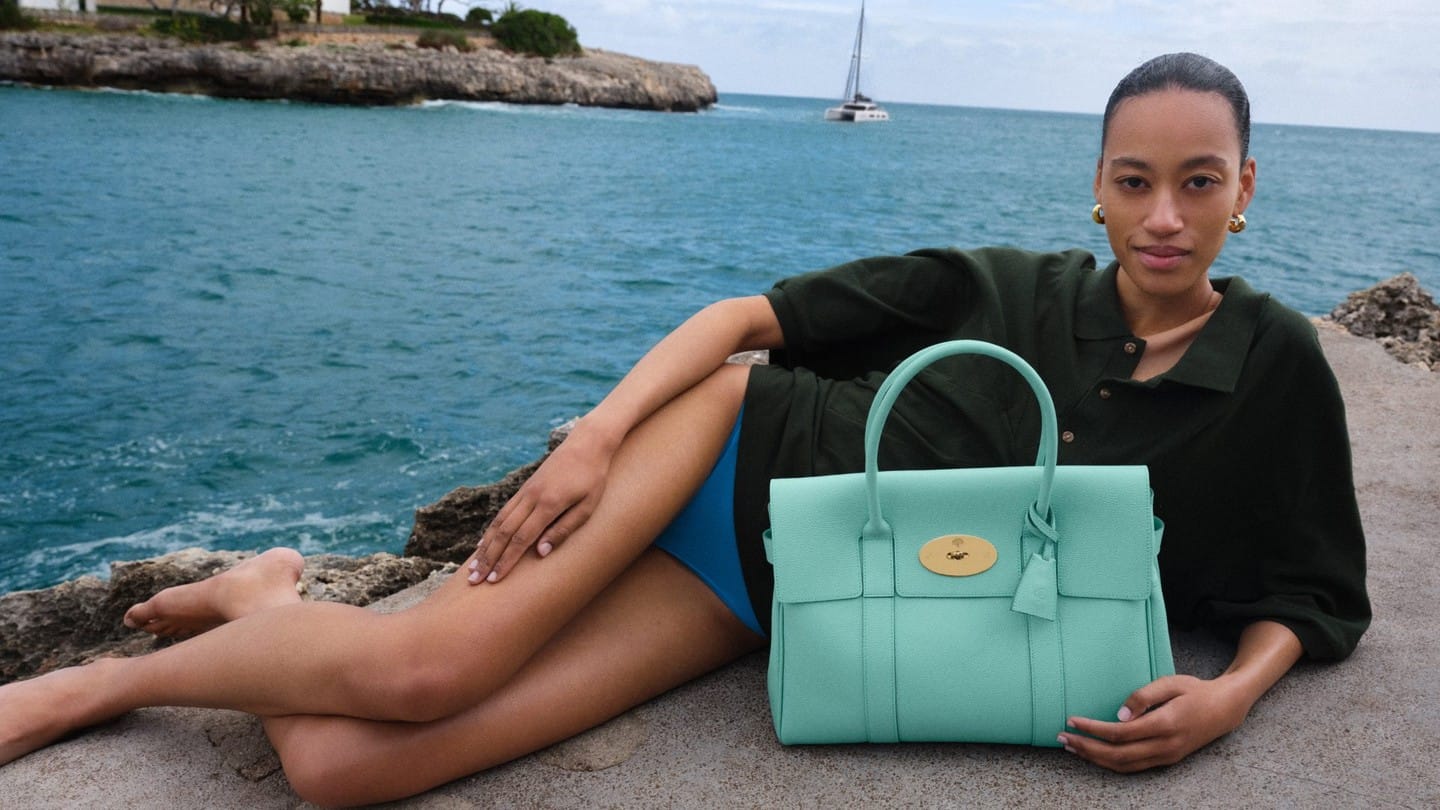
As global fashion outlet Puck put it, describing a "Quiet Turnaround," Mulberry signaled the success of its brand overhaul through real numbers rather than loud marketing.
First, in FY26 (April 2025–March 2026), group revenue rose 4% year over year to £125.5M, and by controlling discounting, it raised its gross margin to 72%. As a result, it sharply narrowed its pre-tax loss while turning EBITDA positive (+£0.8M). This rebound was driven by the wholesale division (up 33.3%) and rapid growth in the European market.
In the following Q1 FY27 (April–June 2026), revenue jumped 23% year over year, giving the turnaround clear momentum. In particular, it posted double-digit growth across all regions, including the UK (up 17%), Europe (up 35%), and North America (up 23%), proving that the recovery in results was not a one-off event.
The Direction of the Return: "Back to the Mulberry Spirit"
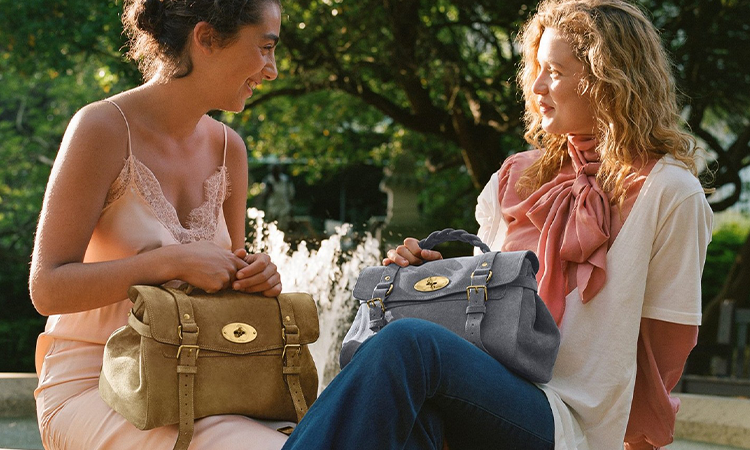
Founded by Roger Saul in Somerset, England, in 1971, starting out by making livestock belts, Mulberry was an icon that ruled British It-fashion in the 2000s with the Bayswater, Roxanne, and Alexa bags.
However, excessive overseas expansion, hasty price increases, and marketing confusion in Asian markets sent it to rock bottom in 2023, with a pre-tax loss of £32.2M.
Andrea Baldo, who took over as CEO in 2024 (formerly CEO of Ganni), declared "Back to the Mulberry Spirit" as the brand's core strategy. It was a clear vision of returning to the original heritage Mulberry had always done best, rather than forcibly chasing new trends.
4 Execution Strategies That Revived a Broken Formula
First, Strict Full-Price Discipline
The key driver behind the gross margin rising to 72% was boldly halting customary discounts and promotions. Even while accepting the risk of somewhat smaller top-line revenue, it controlled markdowns and regained the brand's inherent pricing power.
Second, Strengthening Clear Hero Products and Spotlighting the Archive
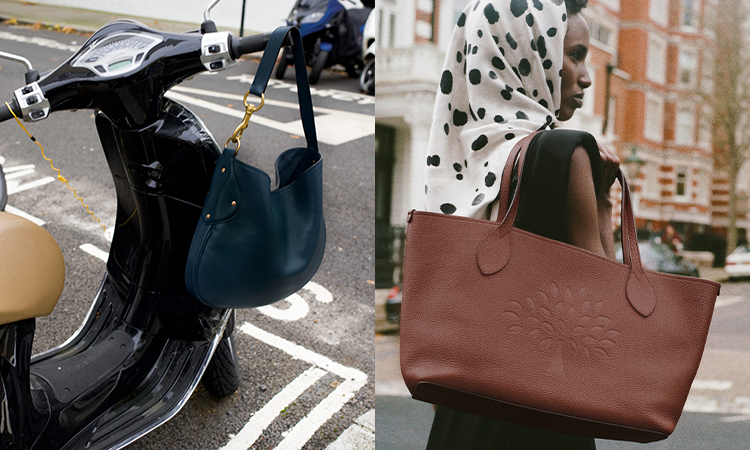
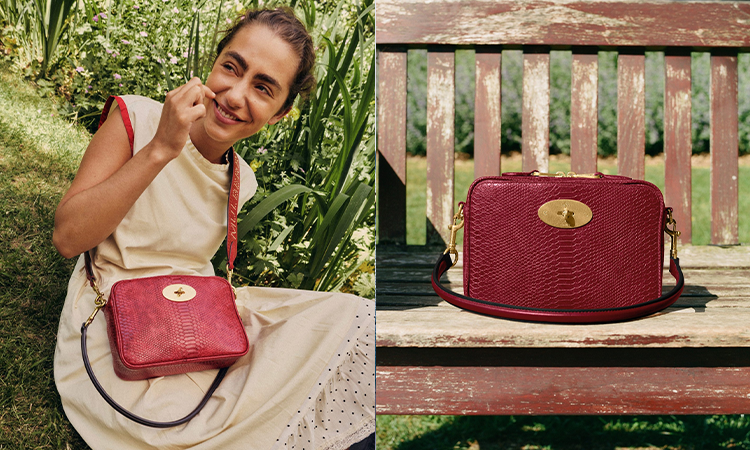
Product appeal itself was strengthened as the limited-edition Bayswater sold out early, the Scotchgrain line performed well, and media campaigns centered on the Roxanne bag, featuring Andrew Garfield and Cynthia Erivo, became hits.
Third, Focusing on the Essence Through the "Rooted in Craft" Campaign
By placing the leather artisans of its Somerset factory, "The Rookery," and its atelier at the forefront of the campaign, it maximized its aesthetic identity and handcrafted value as a British leather house.
Fourth, Strong Wholesale Partnerships and Restored Loyalty
It deepened its collaboration with key British retail channels, including John Lewis, Liberty, and Harvey Nichols. As a result, it secured remarkably solid brand loyalty, with more than 50% of UK retail and digital sales coming from returning customers.
Christopher Kane Joins
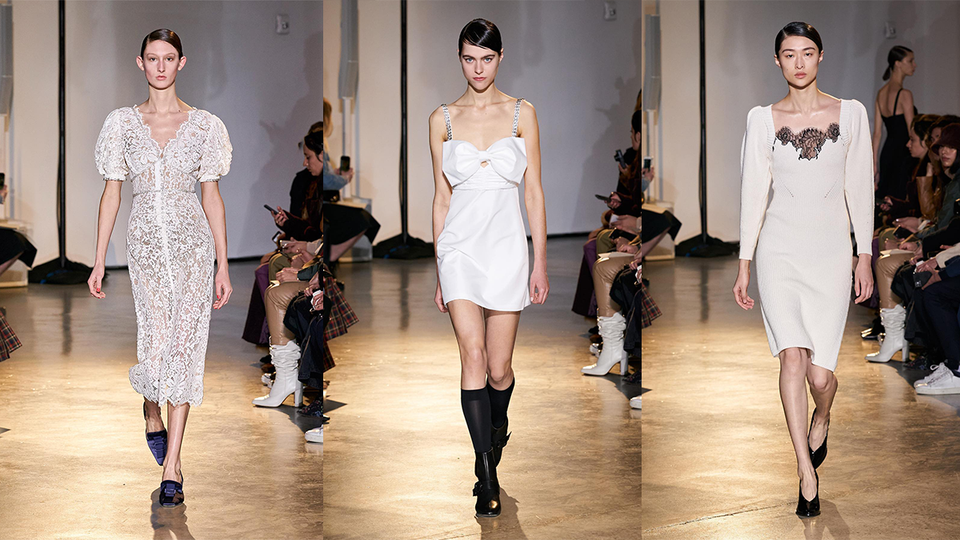
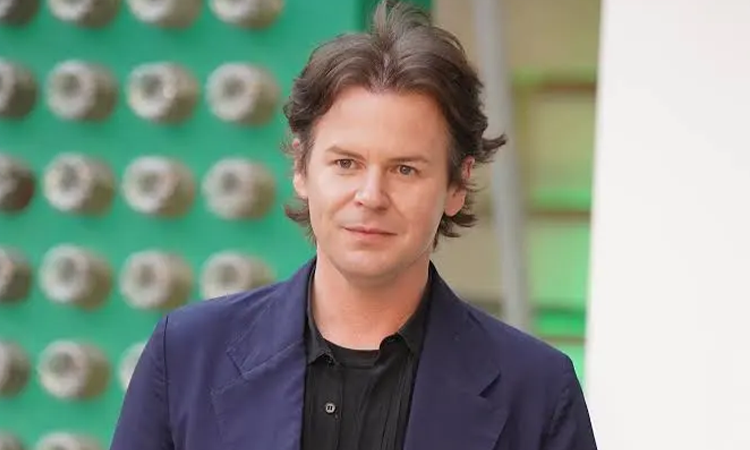
The strategic peak of this turnaround is the lifting of the embargo on Christopher Kane, brought on in March 2026, and his LFW stage. Kane, whose own label went into administration in 2023, made a dramatic return in 2026 as Mulberry's ready-to-wear (RTW) creative director.
This marks Mulberry's first official RTW line in six years, since its licensing agreement ended in 2020.
- A comeback stage for a designer after his label's collapse
- Mulberry RTW's return to the runway after six years
With these two narratives overlapping, the Mulberry × Christopher Kane collection is drawing the highest level of attention from buyers and editors around the world on the London Fashion Week (LFW SS27) stage.
💡 Buyer Insights
Claiming the Gap in "Accessible Luxury"
With a £800–£1,200 lineup, Mulberry precisely targets the niche between entry luxury ($400–$600) and high-end ($5,000+). This is why North American and European multi-brand stores such as Nordstrom and The Webster are paying attention to Mulberry again.
RTW After Six Years: Getting Ahead on Buying Timing
Christopher Kane's RTW line, which debuted on the runway this September, begins arriving in stores and shipping to wholesale accounts next January. Combining Mulberry's leather heritage with Kane's signature subculture sensibility, it offers a clear point of difference for first-half 2027 buying.
Price Defense Through Its Own Resale Platform
Through its own certified pre-owned platform, "The Mulberry Exchange," the brand directly controls secondary market volume and resale prices. This works as a key safeguard for defending the house's full-price sales and maintaining the value of its brand assets.