Birkenstock Conquers Ballet and Weddings
How Birkenstock Expanded into High Fashion Through Collaborations with Dior, Stüssy, Repetto, and Danielle Frankel Without Sacrificing Functionality.
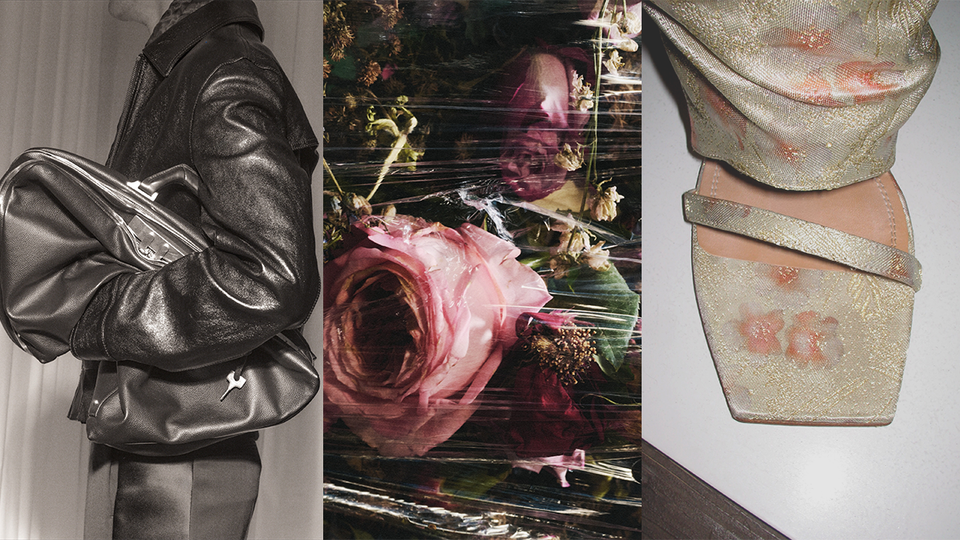
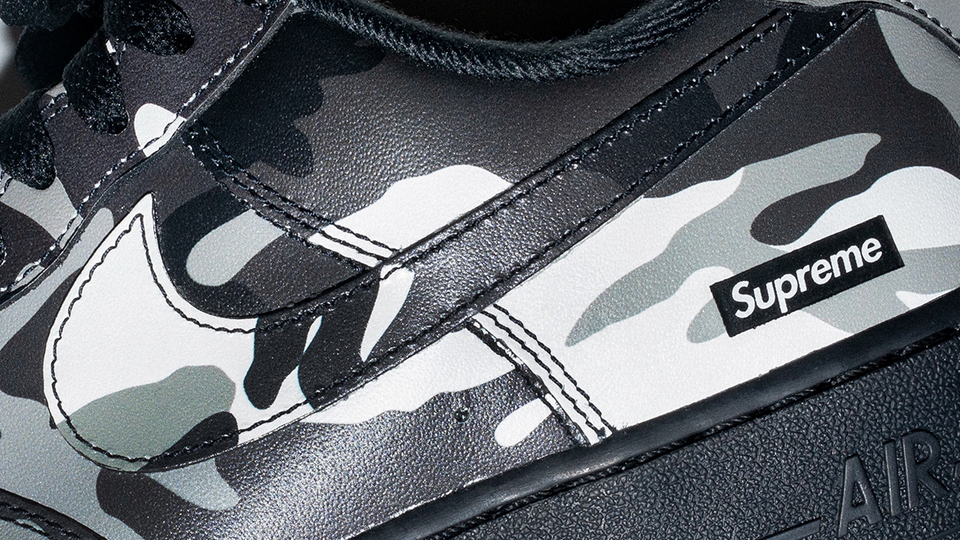
Dior brought luxury; Stüssy brought street.

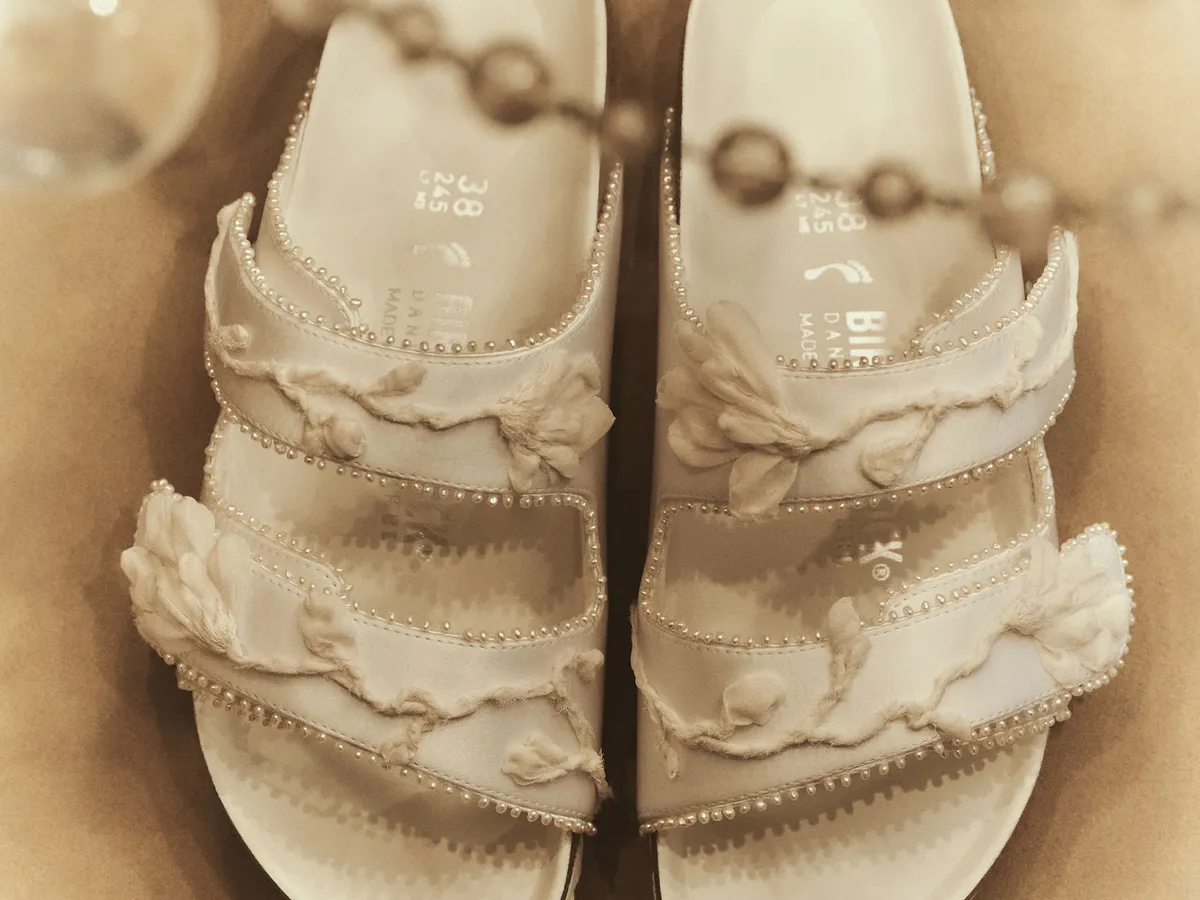
And now Repetto brings ballet, while Danielle Frankel lends bridal. Yet through all these contrasting aesthetics, the structure of the cork footbed resting beneath the foot hasn't shifted by even a single millimeter.

Birkenstock is not a comfort shoe brand that survived by jumping on fashion trends. It is one of the most eccentric and formidable brands in existence—one that translates the zeitgeist of every era atop a single, unchanging footbed whenever fashion demands a new language.

Rather than sacrificing function for ornamentation, Birkenstock has held onto functionality till the end while expanding its scope of application. Here is an analysis of Birkenstock's 2026 market insights.

Breaking the "Sandal Company" Rules
Calling Birkenstock a "summer Arizona sandal company" is now entirely inaccurate. Recently, over 60% of their winter season sales generated from closed-toe products. In particular, the Boston clog—celebrating its 50th anniversary this year—has established itself as an all-season cash cow, proving to be a half-century-enduring classic silhouette rather than a fleeting trend. Birkenstock has already evolved into a house brand that sells year-round.

1774 StudioTagwalk
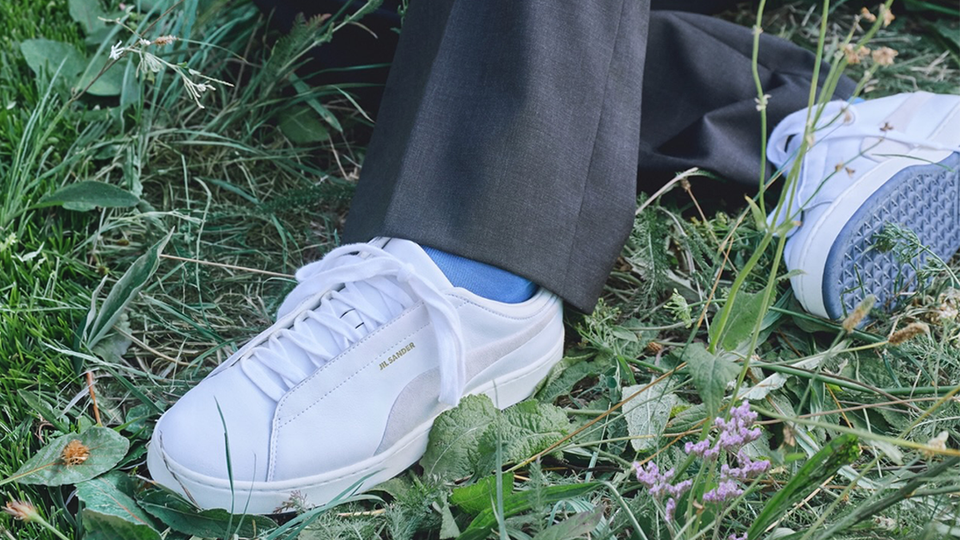
1774, Birkenstock's premium collaboration studio located in Paris, is not a place where famous designers are allowed to tear apart and alter Birkenstock at will. Rather, it functions as a system that obliges all designers to step onto Birkenstock's stubborn footbed.
Their collaborations persistently tap into domains where "enduring discomfort for the sake of beauty has become customary"
- Repetto (Breaking the Discomfort of Ballet)
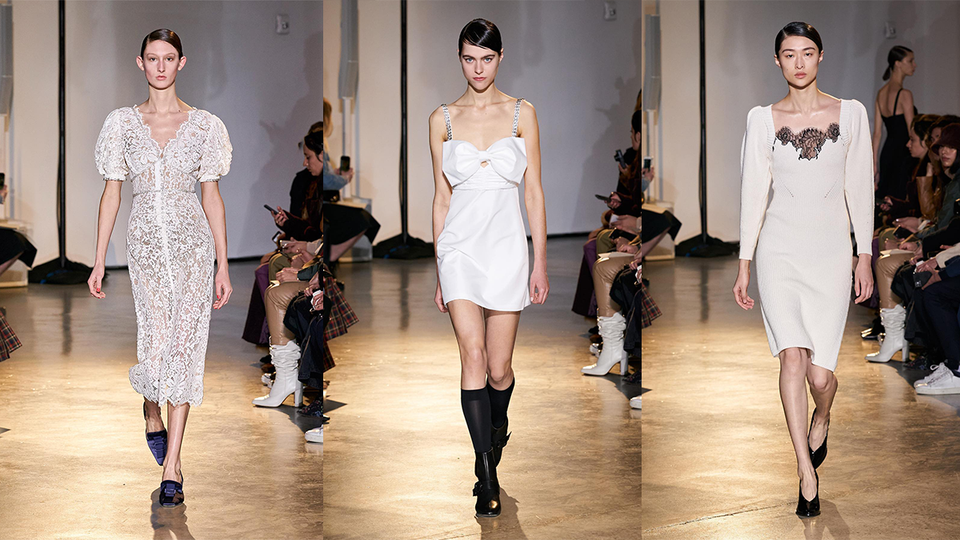
A union between Birkenstock, student of the walking foot, and Repetto, student of the dancing foot. They compensated for the chronic weakness of ballet flats—insufficient support due to thin, flat soles—with a heavy cork footbed, completing an ideal "Balletcore" aesthetic.

- Danielle Frankel (Breaking the Pain of Weddings)
They transplanted comfort into bridal footwear, where enduring pain all day long for photos used to be the norm. This opened a new genre of bridal shoes that survive beyond the ceremony into the reception and daily life.

Sourcing Angles for Buyers
Birkenstock's supply strategy in the wholesale market has solidified into "selection and control" rather than simple expansion. Select shop buyers should focus on the following angles:
- Closed-Toe FocusReduce the proportion of low-cost entry sandals and secure early allocations for the Boston 50th Anniversary Heritage Edition or 4-season shoes crafted from premium materials.
- Curating Narrative and ScarcityBirkenstock headquarters does not distribute "every product to every door." Retailers must prove how orchestrating a premium presentation for Birkenstock can earn them allocations of special edition stock, selling items through narrative rather than price markdowns.

Editorial Small Talk
Originality Proven Even Through a Lost Lawsuit
In 2025, a German court ruled that Birkenstock sandals "are not works of art under copyright law." The reasoning was that their form stems purely from functional necessity rather than artistic freedom or aesthetic pursuit. Although they lost the court case, it ultimately served as the ultimate proof of the core essence behind their 252-year history. A shoe that became a fashion icon legally remains, to the very end, a deeply rooted piece of "functional equipment." To describe this single shoe that refused to compromise function, the fashion industry today endlessly borrows the language of luxury and the avant-garde.