Selling Outside the Algorithm: Trunk Shows
B2B Fashion Retail Strategy for 2026: Overcoming the Limitations of E-Commerce and Algorithmic Reach.
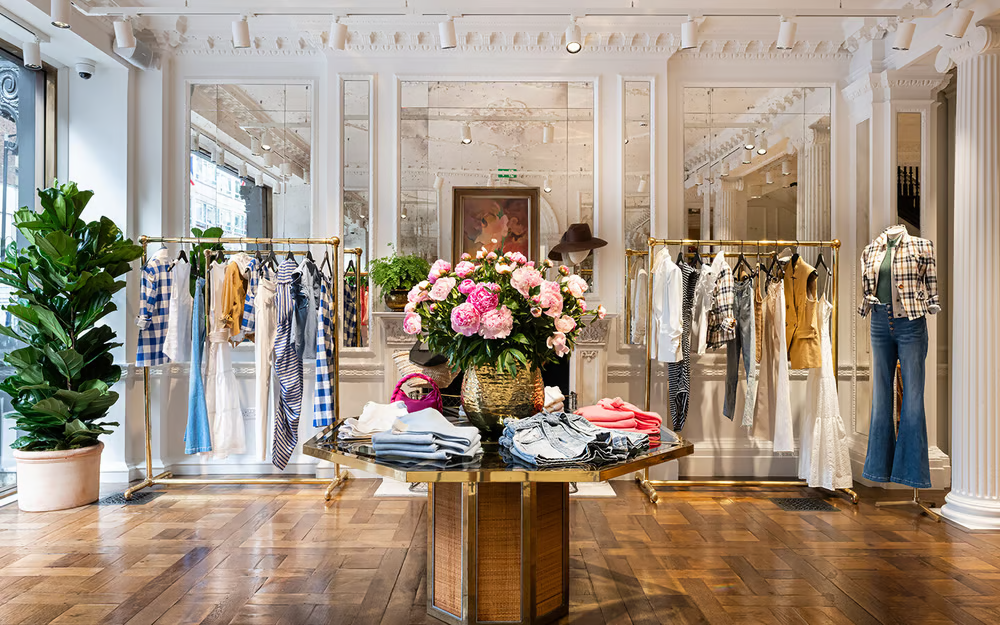
Tampa, Florida. At a one-day trunk show hosted by New York contemporary brand Toccin alongside a local wholesale partner, sales surpassed $100,000. This was neither the result of targeted Instagram ads nor influencer seeding. It was achieved by dressing and selling directly in person to 30 to 50 VIP clients gathered through the host's personal network.

The Trunk Show and Clienteling—the oldest and most traditional formats of retail—have returned as the most powerful growth engines of fashion retail. This is not merely an eccentricity of a single brand; it is a heavy pivot by the entire industry after realizing the limitations of e-commerce and algorithmic channels. We analyze the operational tools and sourcing angles that these global macro trends present to online and offline select shop buyers.

A 35% Conversion Rate
Data across the current global retail ecosystem points in a single direction: the backlash against digital push marketing. Approximately 47% of consumers unfollow brands out of fatigue caused by excessive promotional content, while luxury social engagement continues to decline noticeably.
Amid this algorithmic saturation, Veronica Beard's clienteling data stands out. Having grown to roughly $400 million in annual revenue, the brand generates 87% of its total sales through physical stores.
The most striking metric is the difference in conversion rates by channel. Standard e-commerce—relying on broad reach to an unspecified audience—averages a conversion rate of just 2 to 3%. Live commerce and general in-person sales range between 9% and 30%. In contrast, VIP clienteling (trunk shows), executed through intimate, high-touch personal service, achieves a conversion rate of 35%. When a Veronica Beard sales associate interacts with a client, more than 1 out of 4 interactions (35%) result in a completed purchase.
Power is shifting from algorithmic selling—casting a wide net to catch 2%—to sales outside the algorithm, which gather a focused audience to lock in 35%.
Full-Look and Zero Returns
Trunk shows and private events generate high margins not merely by indulging VIPs, but because of underlying structural economics.
The element eroding global e-commerce profitability most severely is returns—particularly bracket purchasing among Gen Z, who order multiple sizes with the intention of keeping only one. Conversely, private events naturally facilitate full-look selling, dressing and styling complete outfits rather than individual items.
Clients participating in face-to-face clienteling spend 1.26 times more than average customers, and because purchases follow an in-person fitting, return rates approach zero. Zegna boosting its profit margins by 20% and high-jewelry houses like Cartier and Bulgari institutionalizing boudoir fitting rooms and salons on the second floors of their flagships for private dining stem directly from these structural economics.

Sourcing and Retail Angles for Buyers
The return of the trunk show offers select shop buyers a practical business tool rather than a mere trend report:
- Redefine "Old-Fashioned Hospitality" as a Proven Asset
The 1:1 service and styling advice that local select shops have long offered loyal regulars are far from outdated. They represent the exact blueprint of 35%-conversion private clienteling—what global luxury brands currently hail as innovation. Retailers should elevate this from informal service into a structured, regular VIP trunk show format.
- A Powerful Bargaining Chip for New Brand Sourcing
When sourcing new overseas brands, having a strong VIP trunk show network in a specific region offers immense leverage. Offline partners capable of delivering high average order values on a brand's behalf have become rare. This serves as a key negotiation card to secure lower minimum order quantities (MOQ) or regional exclusivity.
- A Human Channel Covering Unstored Regions
Toccin leverages a network of 6 to 8 independent VIC stylists to cover regions like Tennessee where it lacks physical stores. When targeting regional markets or hub areas where opening a store is cost-prohibitive, organizing pop-up trunk shows with influential local hosts proves far more effective than running digital ad campaigns.

Editorial Small Talk
Harrods: A Space of Discovery
When Toccin opened a shop-in-shop in the contemporary department on the 4th floor of Harrods in London, 30% of its initial inventory sold through in just three weeks—double the average weekly sell-through rate (5%) of US department stores. Achieving these results despite having almost no prior brand awareness in the UK lies in the nature of the channel. The 4th floor of Harrods is where customers gather not for destination purchases, but to discover something new. In a space of discovery, unfamiliar brands that persuade customers in person through touch and sight turn over inventory far faster than famous brands pushed via digital advertising.