Paraboot: The Timeless, Unbeatable Dress Shoe
Why Paraboot Became a Core Anchor Product in 2026 Spanning Preppy to Streetwear: A Strategic Sourcing Analysis
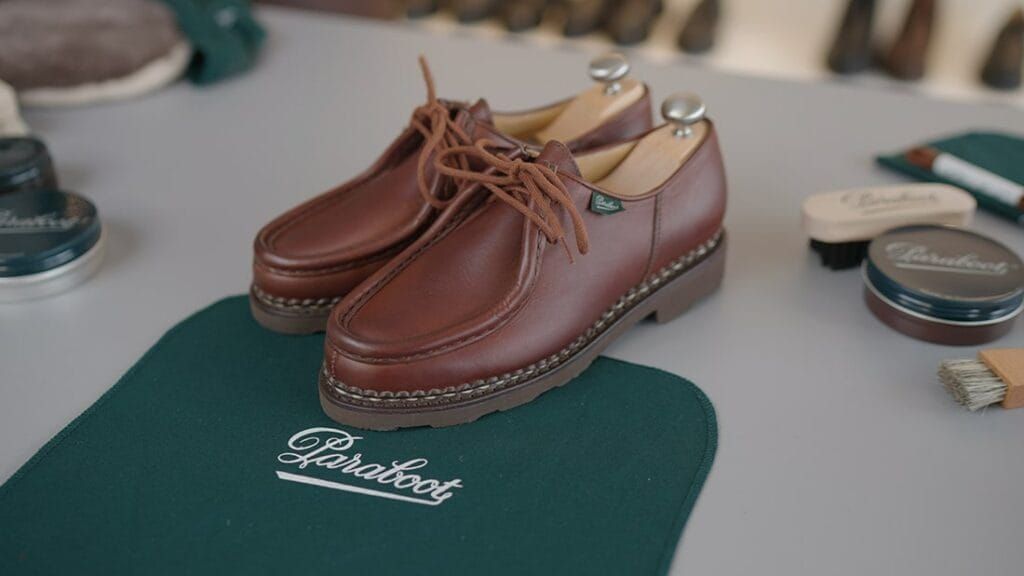
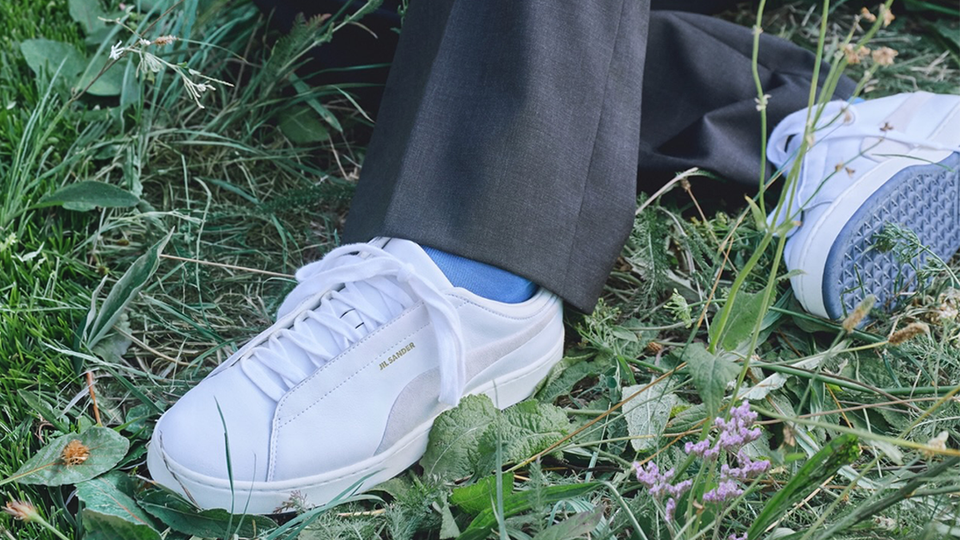
A distinct counter-reaction is taking shape on select shop shoe displays where the era of leather shoes once seemed to be waning. High-end houses including Celine, Jil Sander, and Loewe collectively brought derby shoes back onto the runway for their SS26 collections. Yet standing at the absolute forefront of this movement is neither a sharp oxford nor a glossy penny loafer.
It is Paraboot—the rugged French work derby born in 1945.

From the loose streetwear of Needles to the preppy aesthetic of Aimé Leon Dore and the skate brand Dime, a century-old French leather shoe moves seamlessly across vastly different style spectrums. We dissect through data and sourcing contexts why Paraboot must be included in retail portfolios for 2026.

A 'Hard Bottom' for the Sneaker Generation
Derived from Alpine mountain boots, Paraboot features a rounded toe, a thick rubber outsole, and a low derby shape that uncovers the ankle. Paraboot's iconic model, the 'Michael', represents a perfect hybrid possessing both the rugged durability of a work boot and the neat impression of a dress shoe.
This versatility is backed by hard data: the Michael ranked 9th among Lyst's top fashion products worldwide in Q1 2025, with search volumes surging by 226%. An 80-year-old work shoe earned a spot alongside Miu Miu's 'It bags' and Adidas sneakers. As British GQ observed, the Michael serves as an ideal entry-level dress shoe for Gen Z consumers accustomed to sneakers, while offering powerful versatility that accommodates everything from classic tailoring to wide-leg denim and techwear in a single pair.

Uncopyable Manufacturing Moat
As Paraboot's price point surpassed £400, international fashion media outlets began publishing "Paraboot Alternative Guides" bundling more affordable brands like Kleman. Paradoxically, this proves that Paraboot's signature silhouette has solidified into a distinct genre with an unshakeable demand base.
While competitors can copy the exterior silhouette, they cannot replicate the manufacturing ecosystem. Paraboot's welted shoes undergo at least 150 manual operations, positioning the brand as a global leader in the 'Norwegian Welt' technique known for exceptional durability and resoling capabilities. Crucially, Paraboot has controlled every step of outsole production in-house—from rubber compounding to pressing, vulcanizing, and molding—since 1927. Paraboot's premium price tag originates not from a brand logo, but from this irreplaceable production infrastructure.

Sourcing Angles for Buyers
- Bull Calf (Taurillon) Leather: Material Proving Essence
No complex gimmicks are required. This season calls for focusing on Bull Calf (Taurillon) leather from the renowned French tannery Rémy Carriat. Instead of loud logos, it proves luxury through a subtle nubuck texture and dense weight. It develops a personalized patina over time, embodying the exact standard of 'Quiet High-End' that the fashion industry currently craves.
- A Complete Lineup Built on a Single Material
This overwhelming material quality extends beyond the Michael. It stretches across all the brand's iconic models—from the Chambord (derby) to the Reims and Coraux (loafers) and the Barth (boat shoe). By establishing a single firm benchmark around Bull Calf leather, buyers can confidently persuade customers across all tastes and age groups.
- The Power of an Anchor Elevating Any Outfit
Paraboot is not an ornamental shoe striving to stand out on its own. It quietly grounds the entire silhouette underneath refined suits and knitwear, as well as wide-leg denim or techwear trousers like Arc'teryx, elevating the overall finish of a look. Enhancing adjacent apparel without requiring complex styling is the precise reason to focus on the footwear itself.

Editorial Small Talk
Italian Menswear Taste Rescuing a Brand from Bankruptcy
In the early 1980s, Paraboot faced severe financial distress due to the oil crisis and exchange rate fluctuations, eventually filing for bankruptcy in 1983. The single model that saved the brand from the brink was the 'Michael'. At that exact moment, the Italian menswear market was searching for a chunkier shoe to support textured, heavy fabrics like tweed and corduroy, moving away from thin, sleek loafers. Local distributor WP Lavori discovered the Michael and placed massive orders. A rugged shoe originally crafted for French laborers became the savior that prevented the brand's demise, brought back by Italian tastemakers.