Coach, Thriving Alone
Coach's record-breaking branding strategy — and buying insights for targeting Gen Z.

The current fashion market is decidedly frozen. As the most storied luxury houses struggle through consecutive quarters of negative growth, Coach is on a continuous sprint — an astonishing 31% growth rate.
This isn't luck. Coach found exactly the empty space in today's market, and it genuinely knows how to speak with this generation.
Here are three reasons it's pulling ahead alone.
Attacking the Market's Gap: 'Realistic Luxury'
As luxury brands raced to raise prices after COVID, the distance between ordinary consumers and luxury widened considerably. The middle ground between cheap SPA brands and ultra-high-end luxury emptied out.
Coach claimed that space first — and properly. Holding its core bag range at $150–300 and cementing the position of "approachable without burden, yet delivering luxury's satisfaction" turned out to be the masterstroke.
The 'Tabby' Bag TikTok Raised
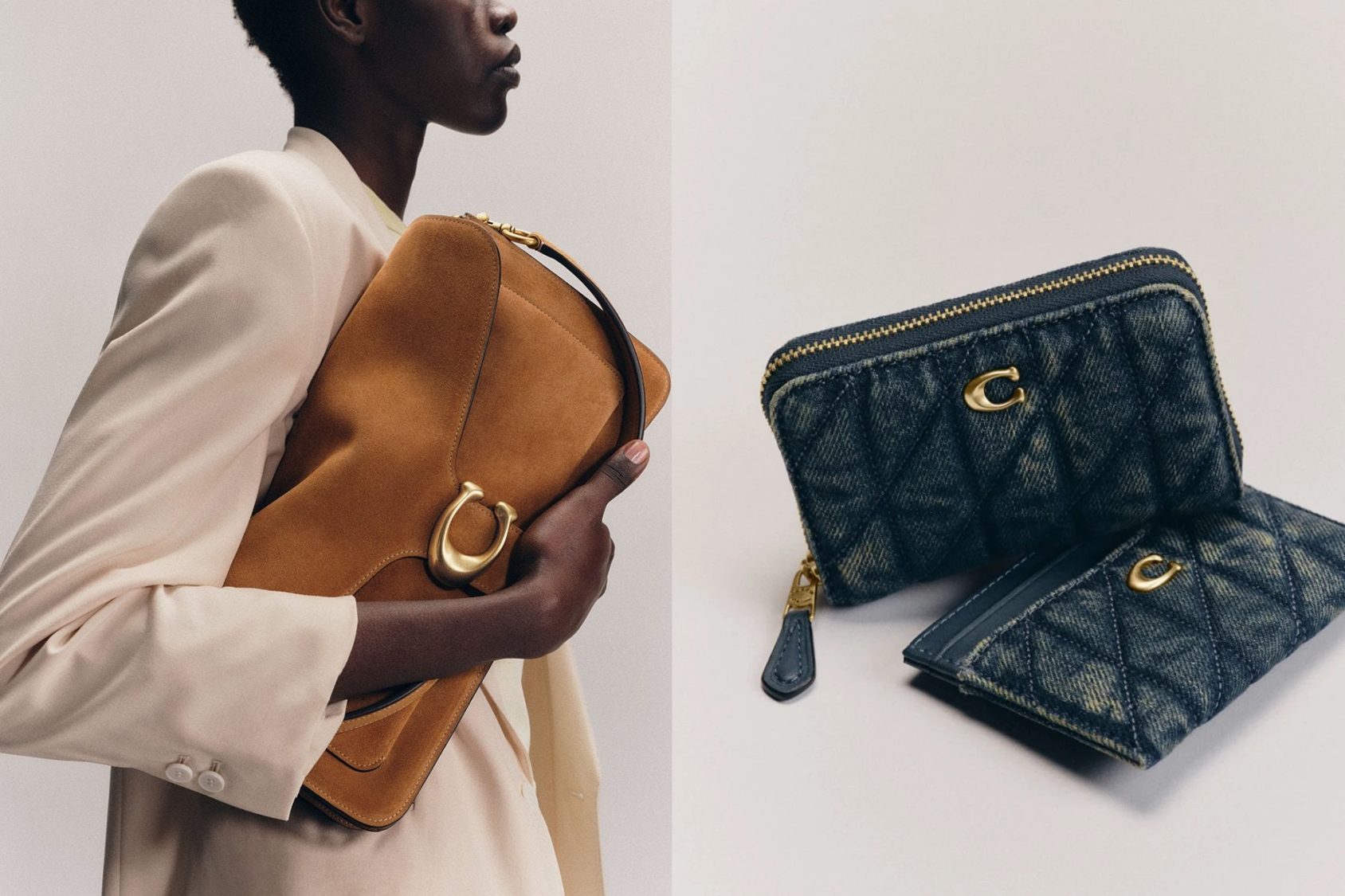
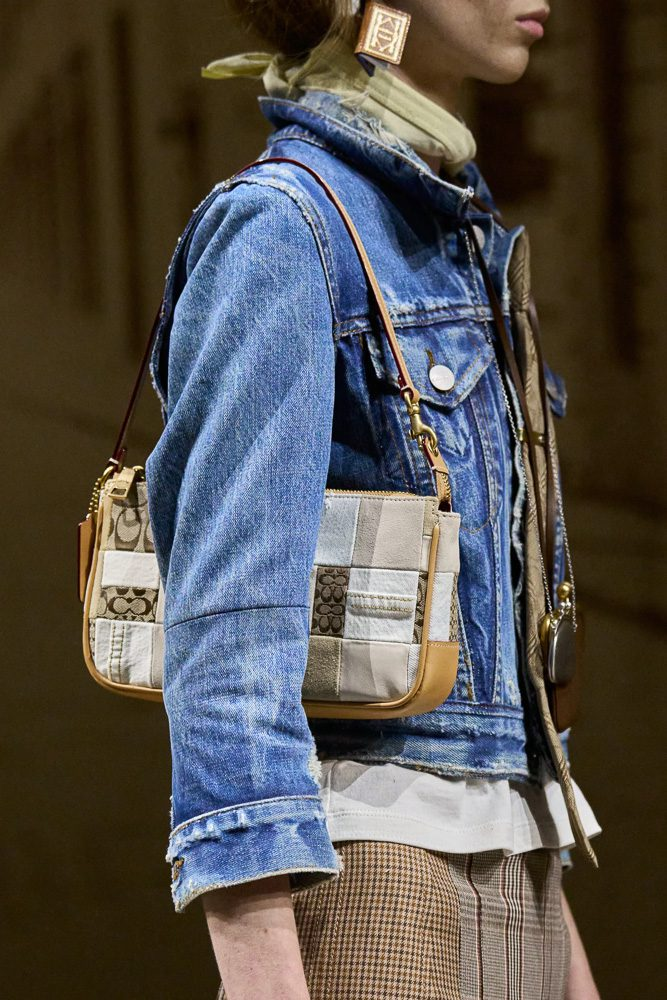
The single biggest contributor to today's Coach is, without question, the Tabby bag. The interesting part: it didn't take off at launch. It went viral belatedly, in 2021, through 'What's in my bag' videos Gen Z posted on TikTok — entirely of their own accord.

The brand didn't force the trend — consumers spotted it first, played with it, and made the trend themselves. Coach embraced the current without straining, expanding the Tabby into shoulder, chain, and flap variations, building an enormous 'Tabby universe.'

Reading the Trend Through the Book Charm
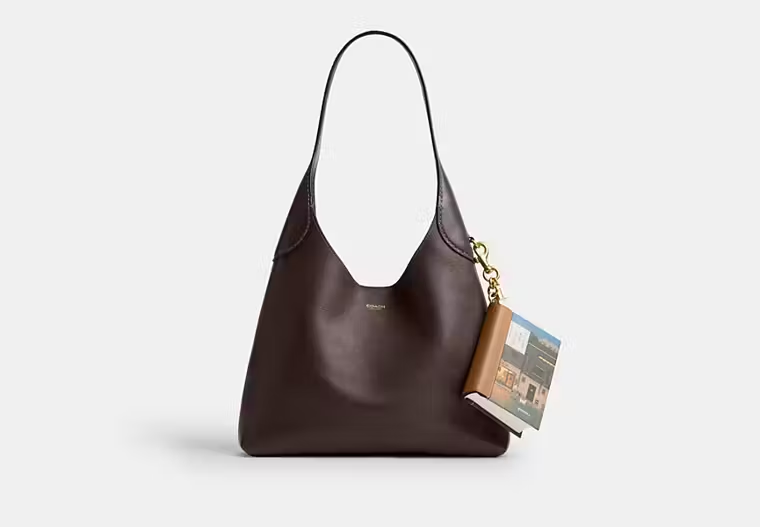
The charms dangling from bags these days aren't mere accessories — they're a core point of fashion. Look at Coach's 'miniature book charm' this season, and you can see how finely the brand reads the younger generation's tastes.
- Where Intellectual Charm Meets Hip: From classic literature to contemporary novels — hanging an adorable book from a bag satisfies this generation's intellectual appeal and desire for self-expression at once.
- A Meticulous Asia-Tailored Strategy: The brand didn't stop at English-language books; it collaborated with independent publishers in Korea, China, and Japan. A refined approach — not tossing Western culture one-way at the Asian market, but sinking deep into local culture.
A Blessing in Disguise: The Clever Distribution Strategy
Coach's parent company, Tapestry, once attempted to acquire another major fashion group — and the deal fell through. In hindsight, that became a major gain for Coach. Instead of bulking up and scattering its strength across multiple brands, the environment was set for total focus on the core brand: Coach.
At the same time, rather than stubbornly insisting on DTC alone, the brand is re-empowering premium distribution channels — quality select shops, department stores — and solidifying its foundational strength.
[Deep Dive] Coach's Coaching (Details & Numbers)
- Explosive Margins, Aiming for the '$10 Billion' Club
Parent Tapestry has formalized Coach's long-term target: '$10 billion in revenue, mid-30s operating margin.' In other words, Coach is the 'super cash cow' feeding the entire group. - The Charm Now Outranks the Bag
The bag charm is no longer a throw-in accessory — it's a core item carrying its own story. Charms holding Asian literature, in particular, could become highly attractive products in Korean select shops, blending 'K-pop + literature + charm-decorating culture.' - A 'Younger Coach,' Proven by Data
'Popular with Gen Z' isn't just a hunch. In the last quarter, in North America alone, more than 2.7 million new Gen Z and millennial customers flowed in — over half of all new customers. In overseas markets too, the brand continuously interviews young consumers and moves rigorously on data.