OTB Completes Full Acquisition of Viktor & Rolf
OTB Group Completes 100% Acquisition of Viktor & Rolf After 18 Years: An Analysis of Renzo Rosso's Management Philosophy and the Avant-Garde Couture Revenue Model.
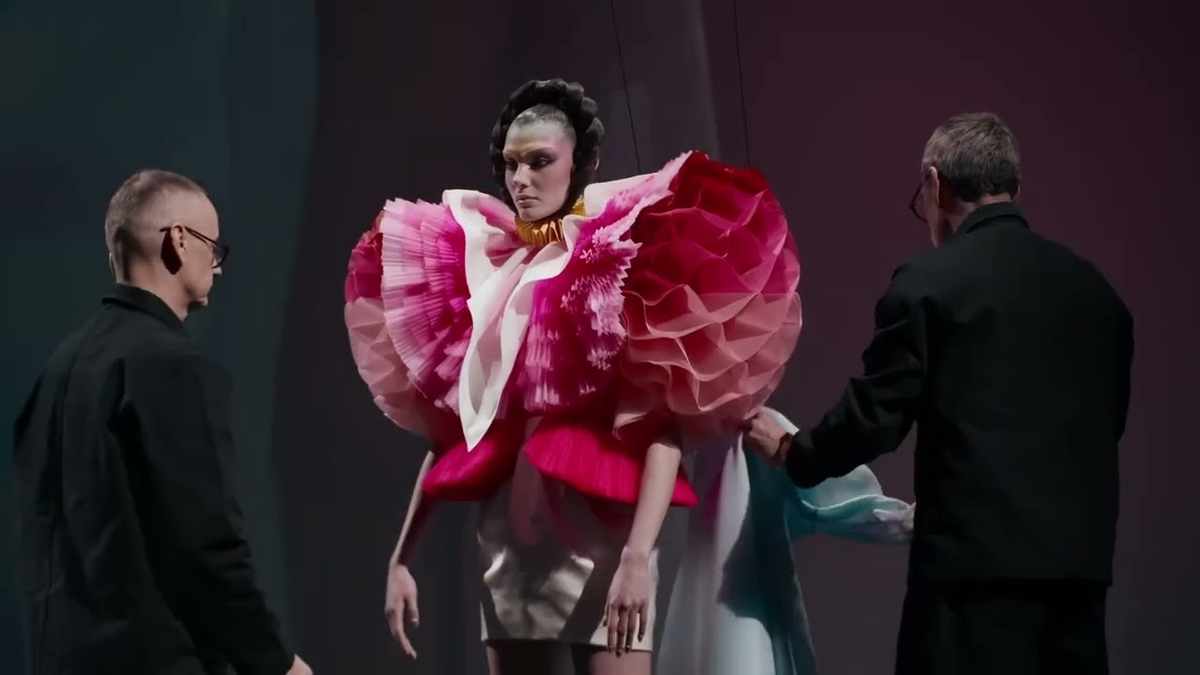
"I think about a brand's future in terms of decades. The industry practice of trading directors between teams like football players is wrong."
So says Renzo Rosso, founder of fashion empire OTB (Only The Brave), which began with Diesel and now controls Maison Margiela, Marni, and Jil Sander.

On June 4, 2026, he officially announced the 100% acquisition of avant-garde haute couture house Viktor & Rolf after purchasing the remaining 30% stake—a journey that took 18 years.

18 Years of Patience
Starting with a 51% stake in 2008, moving to 70% in 2019, and finally reaching 100% in 2026, OTB's stance toward Viktor & Rolf over these 18 years was clear:
"No rush."
Renzo Rosso's patience is legendary in the industry. His story of waiting two years—frequently sharing meals with John Galliano during his down period before bringing him to Maison Margiela—is well known.

This 100% buyout also prioritized creative director contract renewals. Only after securing a 5-year CD contract extension in 2025 with founders Viktor Horsting and Rolf Snoeren—thus guaranteeing complete creative continuity—did OTB take full corporate ownership. It is Renzo Rosso’s signature management approach: capital serving as a sturdy breakwater for art rather than controlling it.

The Golden Revenue Model
Viktor & Rolf is often called a "fashion laboratory" known for bizarre silhouettes and conceptual provocation. The reason Renzo Rosso harbored this house for 18 years—despite its apparent distance from mass retail—lies in its solid commercial cash cow structure.
Viktor & Rolf owns two of the most successful fragrance franchises in fashion history: Flowerbomb and Spicebomb. It operates on a balanced business model: acquiring cultural authority and credibility through uncompromising avant-garde couture on the runway, while generating actual sales and operating profits through mass-market beauty and accessory lines like fragrances and eyewear. This aligns perfectly with the "avant-garde philosophy + fragrance revenue" formula OTB has repeatedly proven through Maison Margiela.

The Completed Portfolio
With this acquisition, OTB has finalized its lineup as an "experimental luxury powerhouse," distinct from groups like LVMH or Kering.
- Diesel: Mass accessibility
- Maison Margiela: The pinnacle of deconstructionism
- Marni: Colorful avant-garde
- Jil Sander: Extreme minimalism
- Viktor & Rolf: Conceptual laboratory
While LVMH focuses on top-tier luxury (Dior, Louis Vuitton) and Kering on mega-trends (Gucci, Balenciaga), OTB bets firmly on difference and experimentation. In particular, by operating the two most radical haute couture houses—Maison Margiela and Viktor & Rolf—simultaneously, OTB has cemented an unassailable position in creative specialization within the global luxury market.
Key Sourcing Points for Buyers
OTB portfolio brands offer more than fashion items; they propose each director's distinct worldview. Here are key points to note for seamless curation on the sales floor:
- Accessible Conceptual Beauty & AccessoriesViktor & Rolf's signature fragrances (Flowerbomb, Spicebomb) and eyewear line feature lower price barriers than apparel while carrying the house's full identity. They serve as excellent entry points for the brand and smart sub-categories to refresh store ambience.
- Signature Pieces from Star DirectorsFocus on flagship items from directors with dedicated fan bases, such as Glenn Martens at Margiela or Simone Bellotti at Jil Sander. Structuring buys around core pieces where the brand's aesthetic is most intuitive—like deconstructive denim or precise tailored jackets—delivers high impact.
- Transparent Sustainable OfferingsOTB is at the forefront of sustainability, joining the global Fashion Pact and internalizing eco-friendly processes. Curating capsule lineups featuring eco-conscious yarns or recycled fabrics appeals directly to high-sensitivity consumers seeking value-driven purchases.

Editorial Small Talk
How Capital Treats Creativity
In a fashion industry where designers are dismissed after just two or three seasons for missing performance targets, Renzo Rosso supports his hired CDs with at least a 10-year horizon. "I have never designed a single piece of clothing in my life. I simply support incredible directors so they can play freely," he says—a strategy validated by 1.8 billion euros in revenue in 2024.