2026 Tennis core trend
An In-Depth Analysis of the Tenniscore Trend Hitting the Retail Market Every Year.
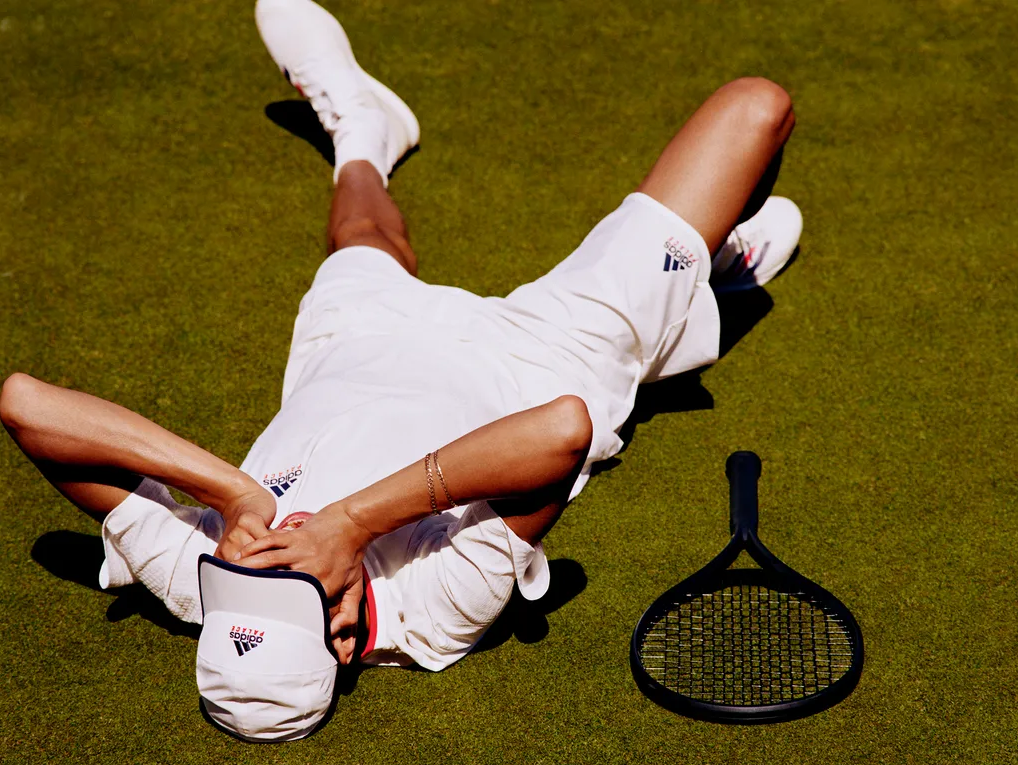
The six weeks from the conclusion of Wimbledon in mid-July to the start of the US Open in late August trigger a strikingly unusual spike in global fashion retail data.
According to the 2026 report by Heuritech, an AI fashion trend forecasting platform, this period sees a +20% increase in visibility for tennis skirts, +17% for windbreakers, and a staggering +42% YoY surge in demand for white retro trainers.
As the most powerful runway trend of 2026—and one dominating real-way streets worldwide—we analyze the business dynamics behind 'Tenniscore' and how it evolved beyond mere sportiness into the ultimate visual language of Quiet Luxury.
The Old Money Uniform
Wimbledon’s iconic, strict all-white dress code began in the late 1800s for purely practical reasons: to conceal player sweat stains.
Yet, paradoxically, this extreme mandate requiring players to wear only white forced designers to look beyond heavy logos or flamboyant patterns. Instead, they focused on the pure essence of the garment—the cut of the collar, the depth of the pleats, and the density of the knitwear. This exact inflection point is where Tenniscore intersects seamlessly with modern Quiet Luxury and Old Money aesthetics.
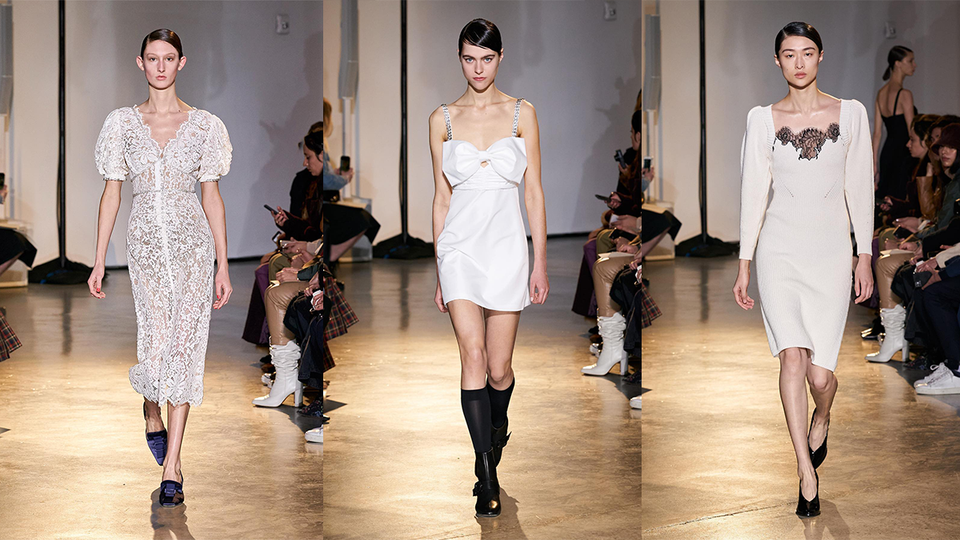
For contemporary consumers fatigued by oversized logos and ostentatious flex culture, impeccably tailored white pleated skirts and cable knits have become the safest, most definitive statement of understated elegance.

The Aesthetic of Generational Unity
Most fashion trends splinter by demographic: Y2K targets Gen Z, while classic tailoring speaks to Millennials and above. Tenniscore, however, bridges generations with remarkable ease.
As fashion strategist Elsa Boutaric notes, 30-to-40-something consumers approach Tenniscore as an extension of Quiet Luxury—styling it through refined polo shirts and slim fits. Gen Z, on the other hand, repurposes it squarely into street culture, pairing pleated skirts with oversized hoodies or chunky sneakers.
When London skate brand Palace teamed up with Wimbledon and adidas for a three-way collaboration featuring pleated skirts and toweling headbands, the enthusiastic response from polar-opposite audiences—skaters and tennis players alike—proved the extraordinary versatility of this trend.


A 'Magic Formula' Language
The most compelling aspect of Tenniscore is that almost nobody wearing it actually plays tennis. Luxury houses with zero historical connection to the sport are eagerly adopting its visual lexicon.
- Loewe custom-built stiletto heels with tennis balls embedded in the heels for Zendaya’s press tour for the movie Challengers.

- Miu Miu propelled layered ultra-mini tennis skirts and polo shirts directly into the global mainstream.
By borrowing the visual codes of crisp white pleated skirts against lush green courts, brands can instantly transmit an aspirational lifestyle defined by health, leisure, and exclusive heritage—qualities that money alone cannot buy.

Sourcing Insights for Buyers
The July–August window spanning Wimbledon to the US Open represents a prime seasonal cycle where consumer interest in Tenniscore peaks organically across retail channels. Key actionable insights for buyers include:

- High-Intent Demand: Retro Court ShoesClassic white tennis silhouettes—exemplified by brands like On Running, Autry, and Common Projects—remain the most consistent year-round performers during this window.
- Structured Fabrics for Silhouette IntegrityAll-white looks are prone to sheer issues and losing shape. Buyers should prioritize dense, high-tension fabrics such as heavy pique cotton, fine knits, and technical nylons that maintain an elegant structure.
- Cross-Category Crossover EssentialsHeritage items like classic polo shirts and cable-knit vests from Lacoste or Ralph Lauren extend far beyond the activewear category. They offer high versatility on the sales floor, pairing effortlessly with real-way fashion staples like low-rise denim or chunky sneakers.

Editorial Small Talk
A Century-Old Trend Born from Discomfort
In the 1920s, tennis legend René Lacoste grew frustrated with playing on court in stiff, long-sleeved dress shirts. His solution to that suffocation was the short-sleeved Polo Shirt. A player’s purely personal functional grievance ultimately laid the groundwork for one of the most enduring foundational items in modern global Quiet Luxury 100 years later.