Reverse-Engineering the Celebrity Brand: How PALY Broke the Formula
PALY HOLLYWOOD, breaking the celebrity brand jinx and evolving into luxury.
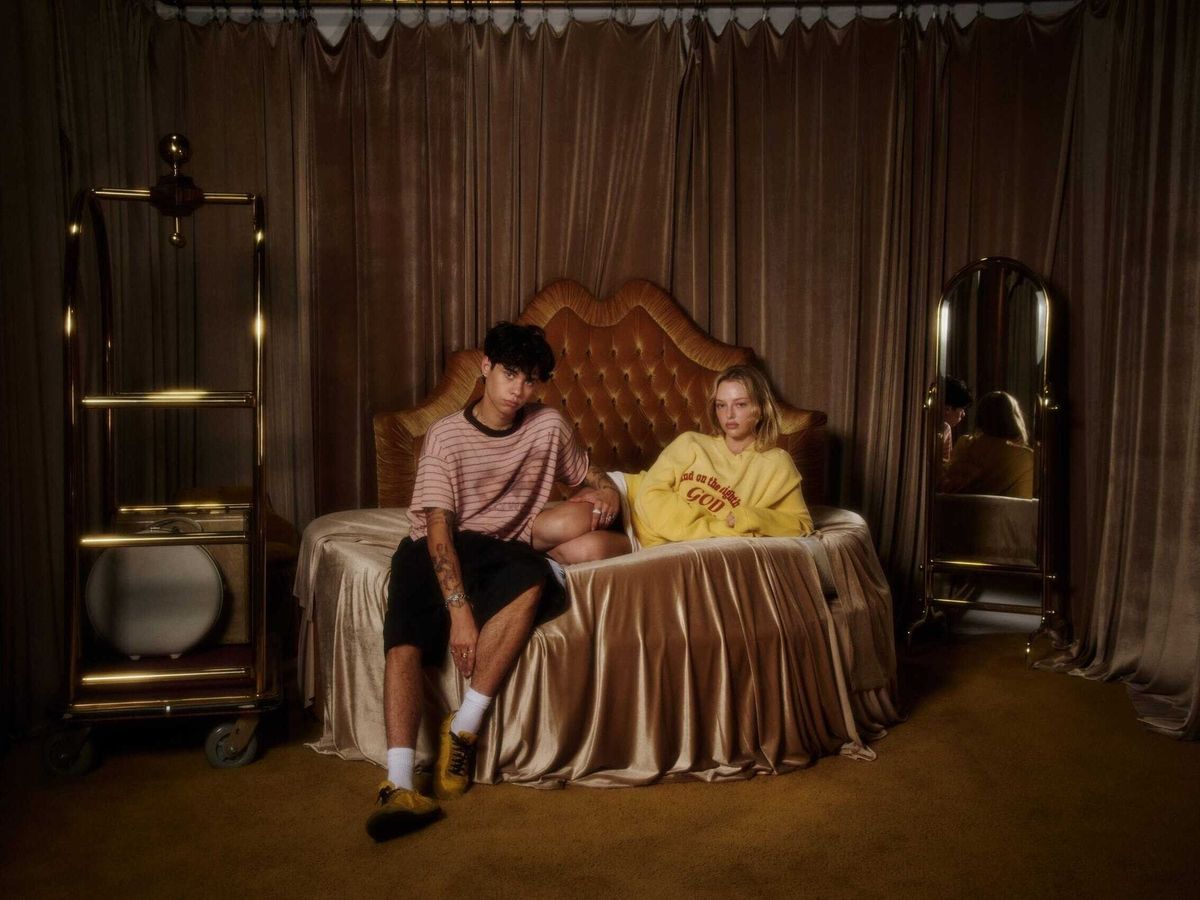
It's nothing new for a famous actor to put their name on a fashion brand. Fandom can generate early interest, but consistently earning a place on the buying lists of demanding high-end retailers is an entirely different matter.
PALY Hollywood, which James Franco and designer Kyle Lindgren started during the pandemic and shaped into a brand around 2022, took a slightly different path.
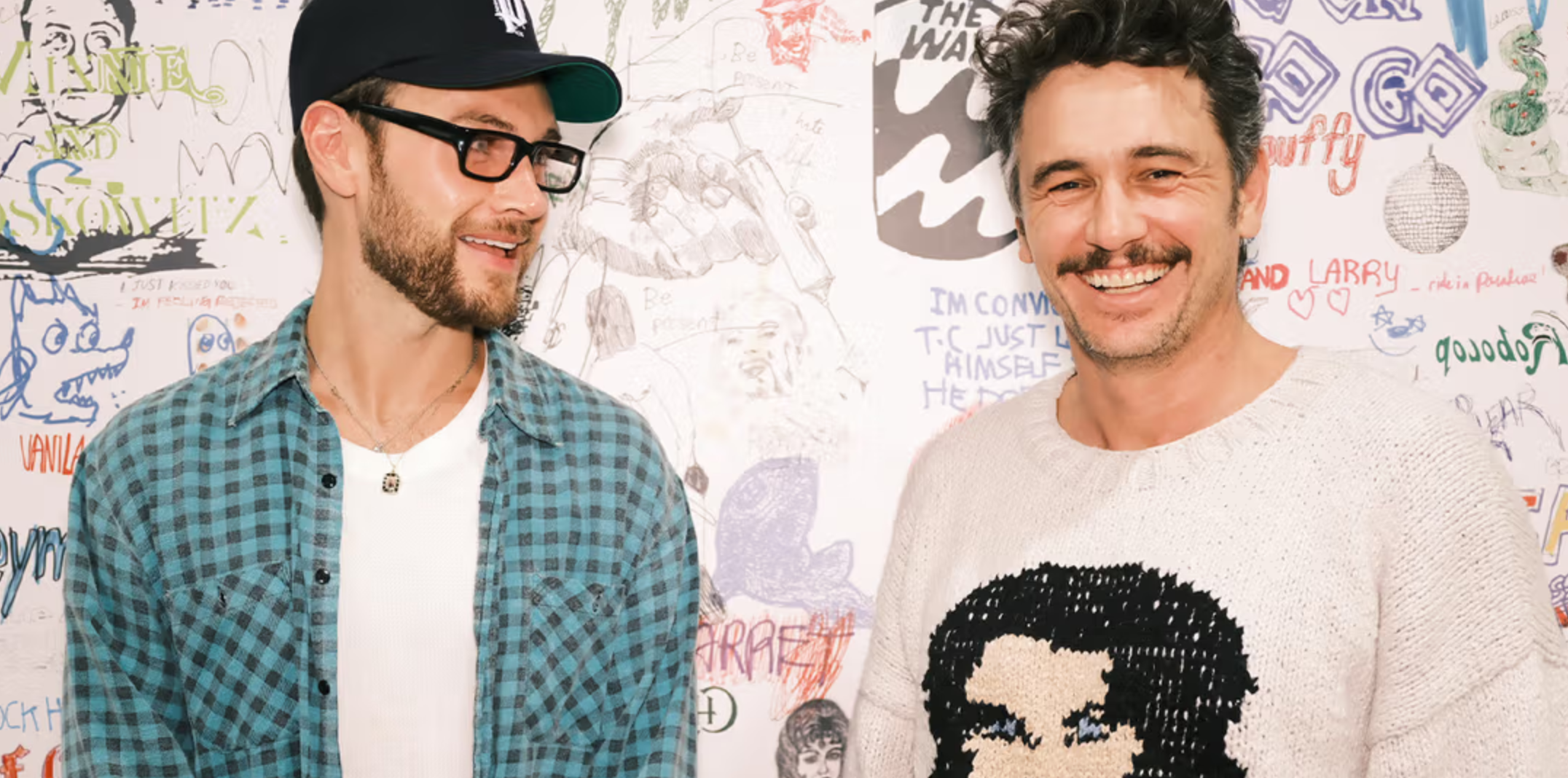
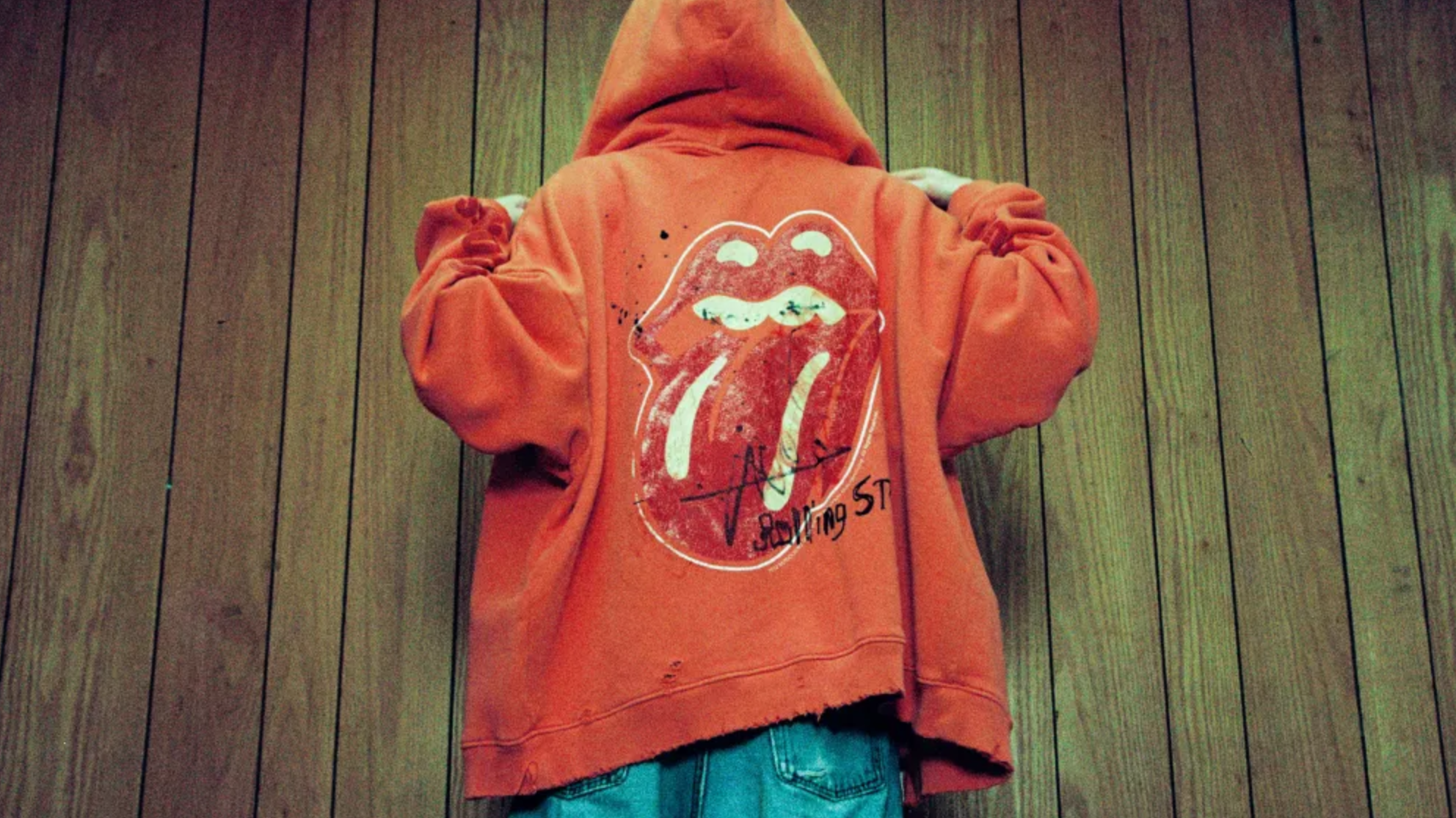
Today, PALY is stocked at major global retailers including Dover Street Market (DSM), Selfridges, SSENSE, and H.Lorenzo, and in 2026 it even launched an official capsule collection with the Rolling Stones.
What's interesting is that the name "actor James Franco" isn't front and center in this growth. If anything, PALY is carving out its own position by flipping the formula celebrity brands typically rely on.
3 Reverse Moves That Broke the Rules of Celebrity Brands
Archive Instead of a Face
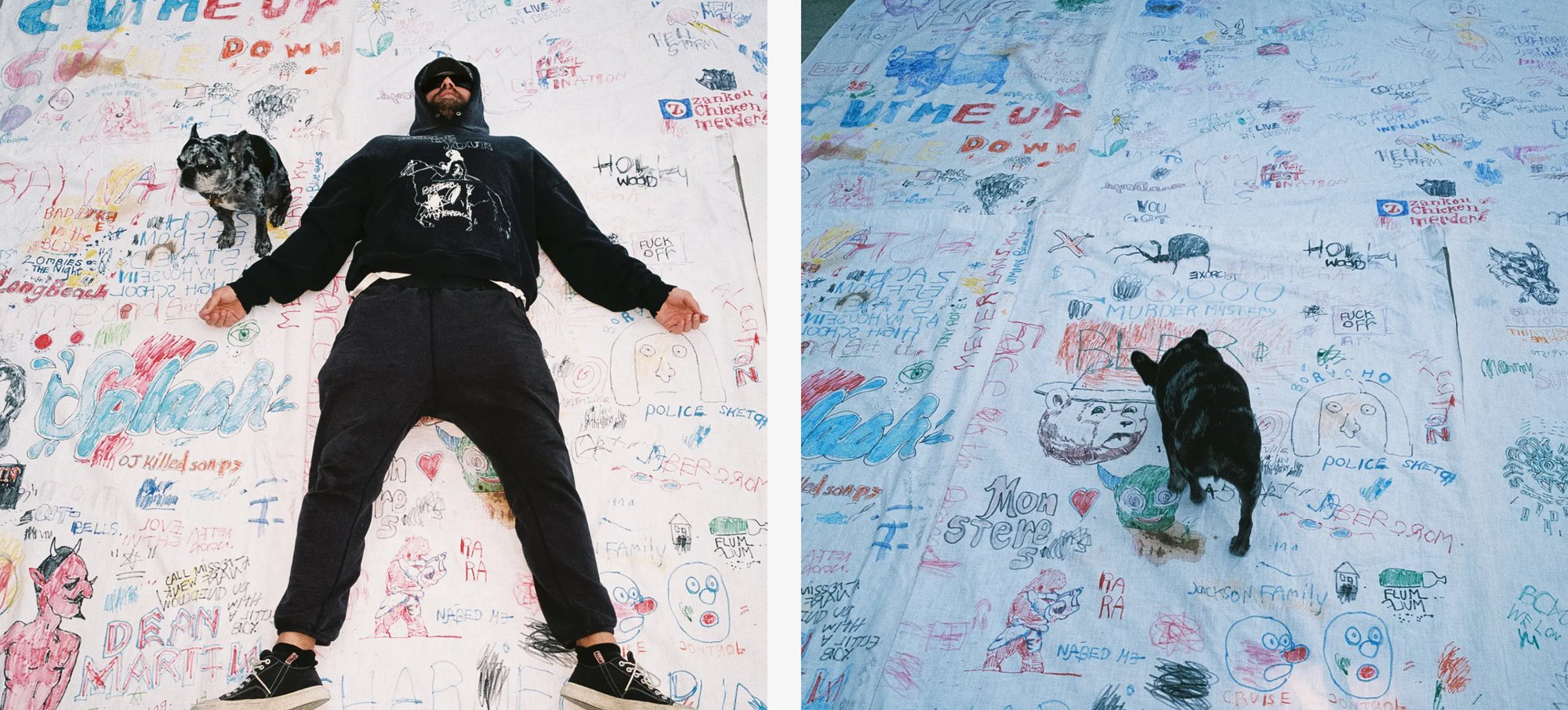
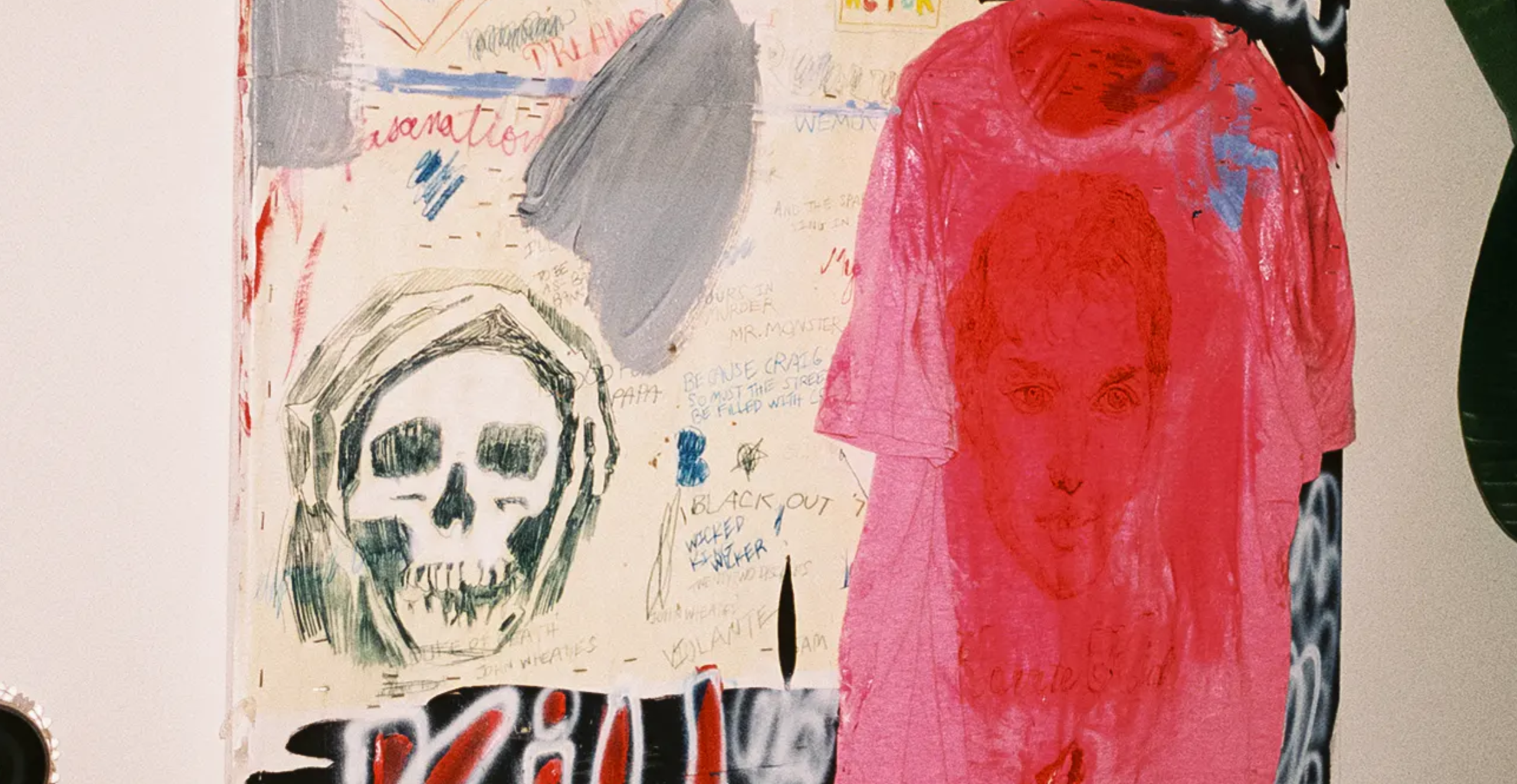
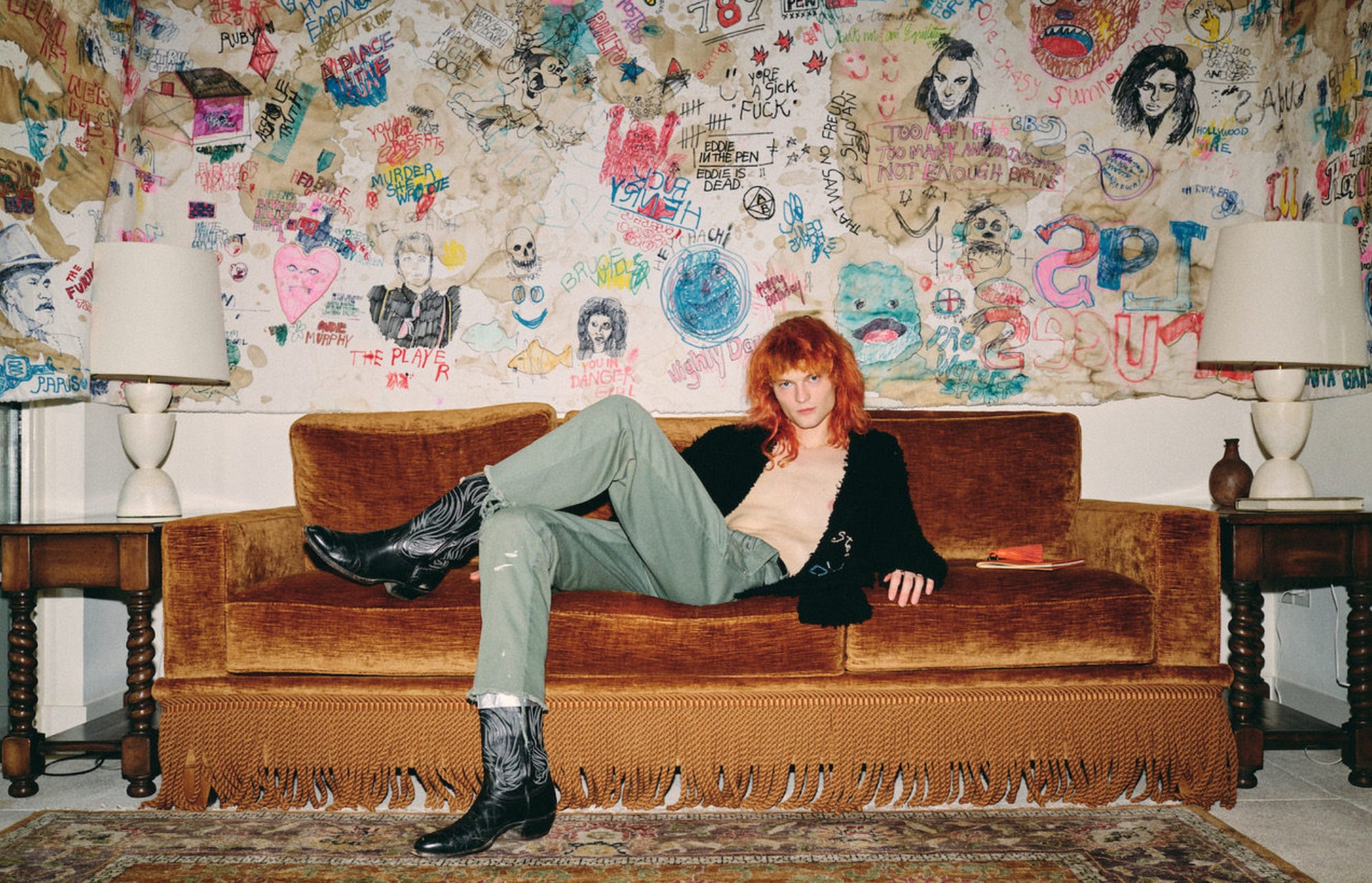
PALY's core material isn't Franco's fame but the drawings he has made every day since the pandemic. According to Lindgren, that archive has already surpassed 15,000 pieces.
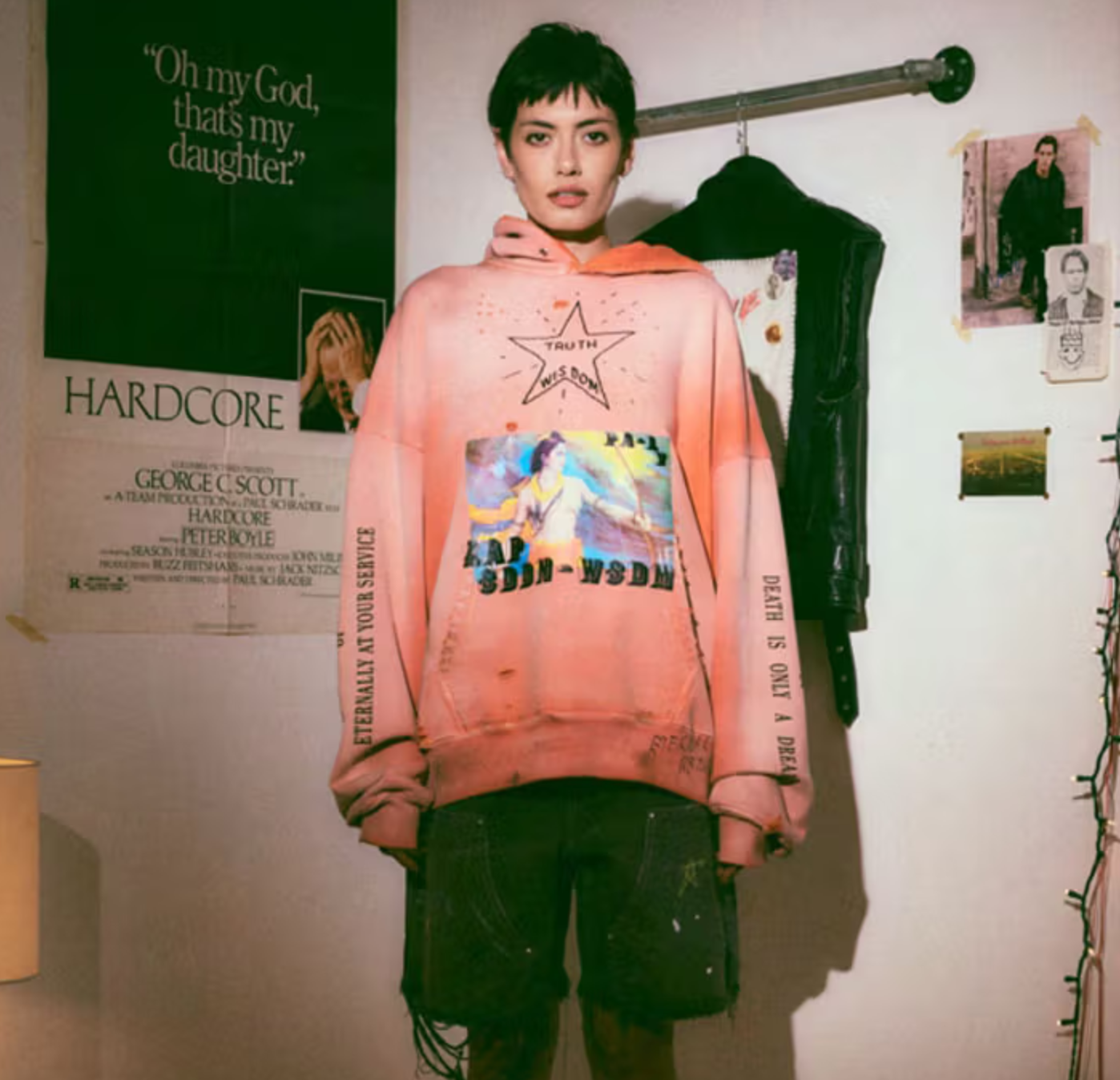
Lindgren transfers these raw drawings and phrases onto denim, French terry, T-shirts, caps, and leather goods. The line that runs through the brand is the exact opposite of Hollywood's glamorous image: "Hollywood is Hell."
Rather than leaning on Franco's star image, the brand translates Hollywood's darker emotions, such as anxiety, decadence, death, and the flip side of fame, into vintage graphics and clothes with a strong handmade feel. In effect, it has productized a worldview, not a person.
Scarcity Instead of Mass Appeal
PALY products make active use of handwork such as hand painting, distressing, and washing. The signature is a "lived-in" feel, new clothes that look as if they've already been worn for years.
Production volumes are also kept well below those of large streetwear brands. Some popular items sell out quickly and trade on the resale market, creating the scarcity typical of a cult brand.
PALY's strength is less about being "a brand that never discounts" and more about building a structure that doesn't rely solely on price competition, through limited supply and strong signature products.
Wholesale as a Lever for Growth
Retailers like Selfridges, SSENSE, H.Lorenzo, Dover Street Market, and Antonioli have become more than points of sale. They've become curation devices that explain PALY's position.
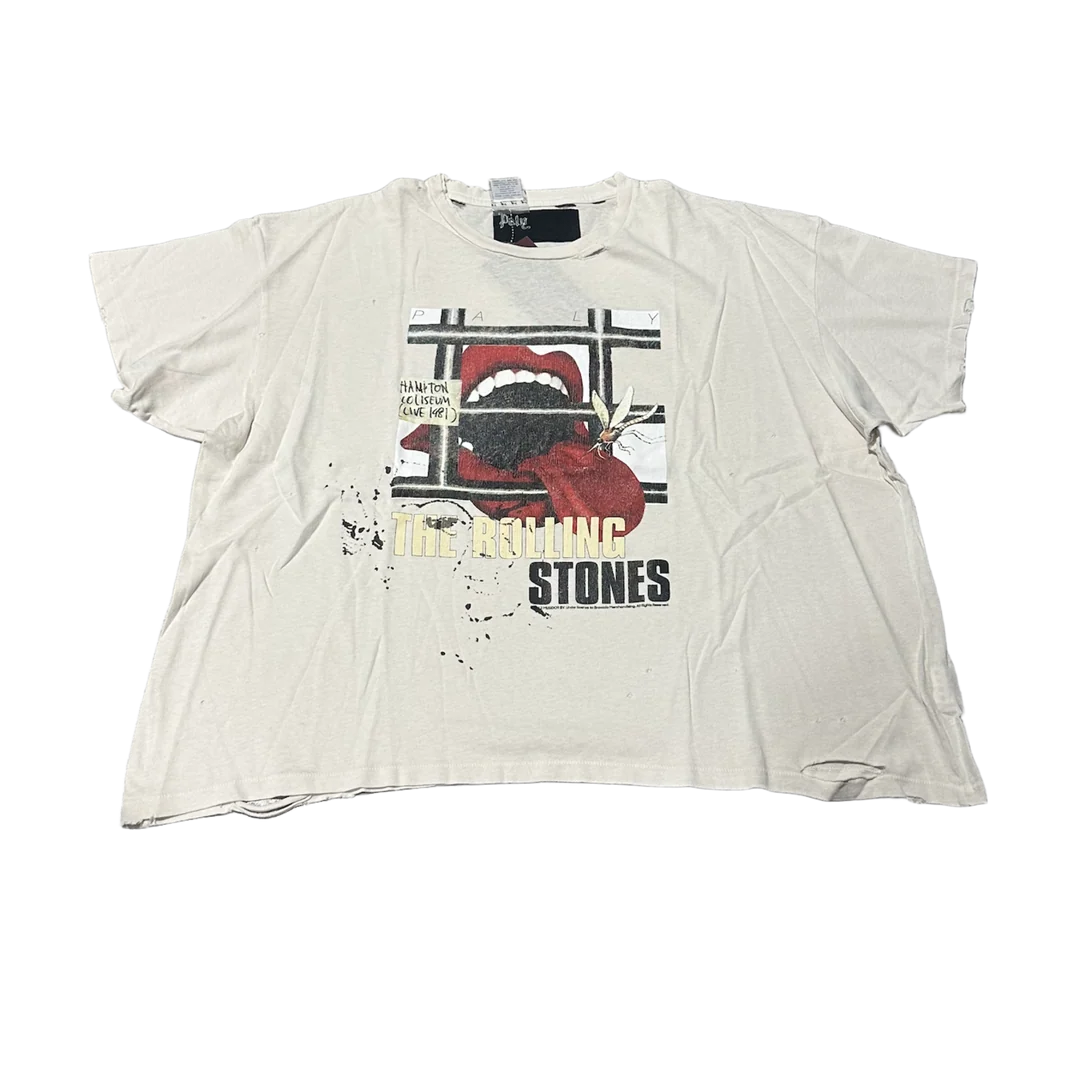
In 2026 in particular, the brand launched an official 10-piece Rolling Stones capsule collection with Bravado, Universal Music Group's merchandising company, and rolled out the collection in a dedicated space at Selfridges London.
Rather than persuading consumers with a celebrity name, the strategy has been to build brand credibility first by passing through the selection of high-end retailers.
Brand Momentum at a Tipping Point
In 2026, PALY unveiled the Rolling Stones × PALY Hollywood 10-piece capsule collection.
Working with Universal Music Group's Bravado, the brand dug through the Rolling Stones' vast archive and drew references from existing vintage merchandise and old imagery rather than obvious logo play.
It's a case where the language of "clothes that look worn and collected," the brand's existing strength, naturally merged with a rock band's actual archive.
Expanding into the Global Fashion Scene
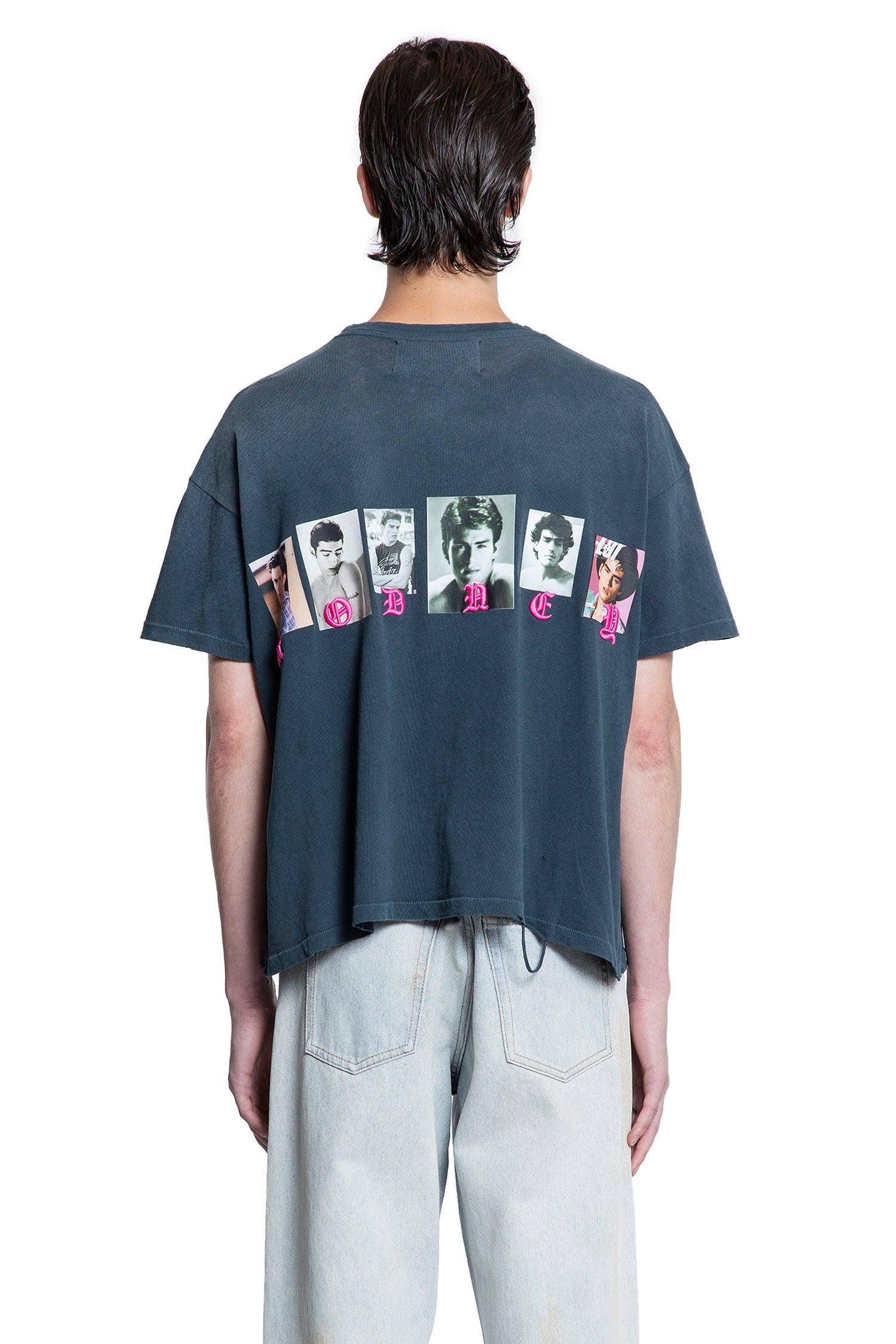
PALY has steadily built its profile during Paris Fashion Week. In the early days, it showed collections directly in hotel spaces to meet buyers, and later held projects and a book launch at DSM Paris, using Paris Fashion Week as a stage to widen its touchpoints with the global industry.
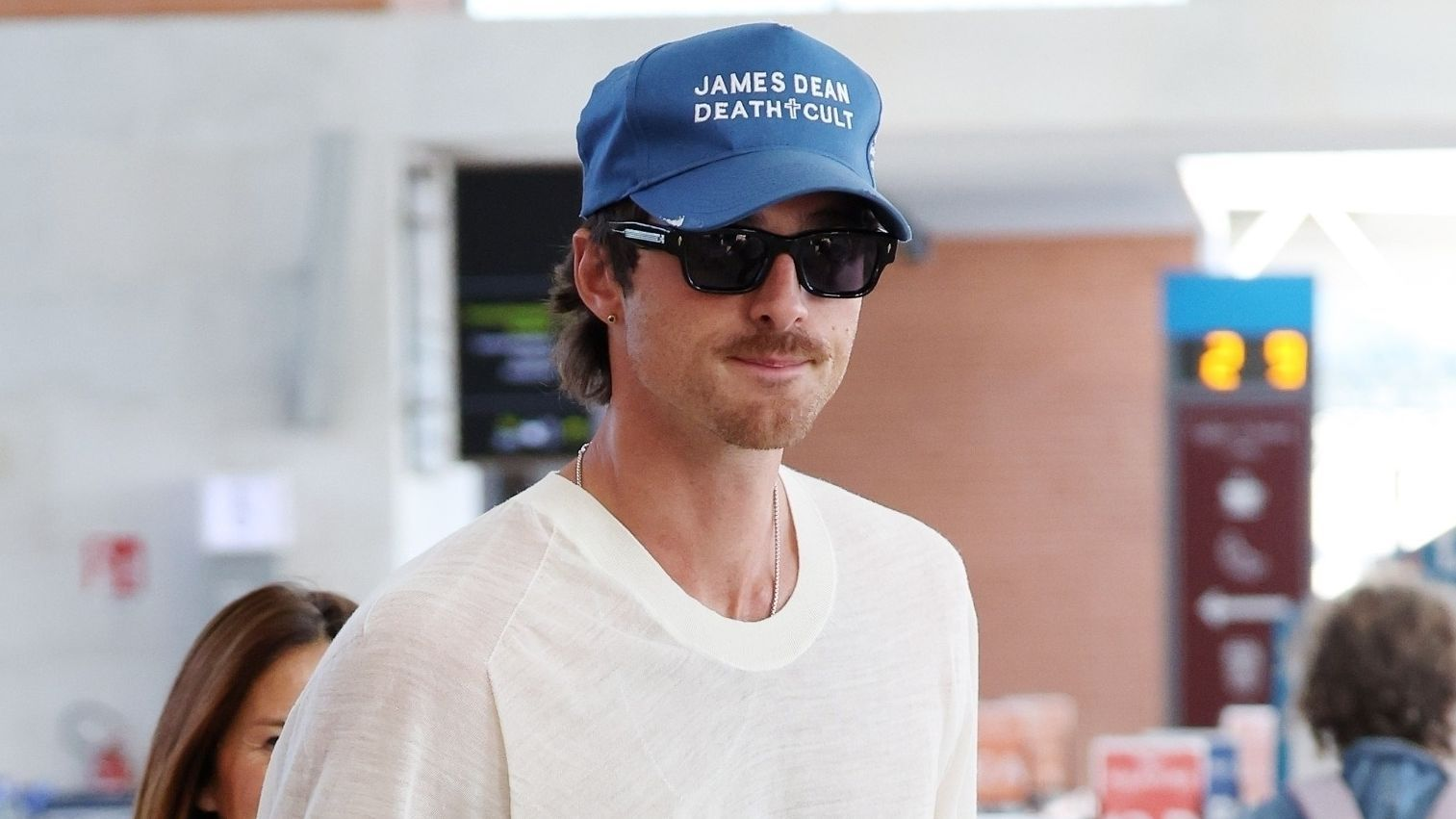
At the same time, figures like Jacob Elordi and Bad Bunny have repeatedly worn PALY, spreading the brand's image organically.
The key point is that, rather than massive ad campaigns, "who wears PALY" became the brand's marketing asset through multi-brand stores, fashion weeks, and real-life wear by artists and actors.
RTW Beyond Graphic Streetwear
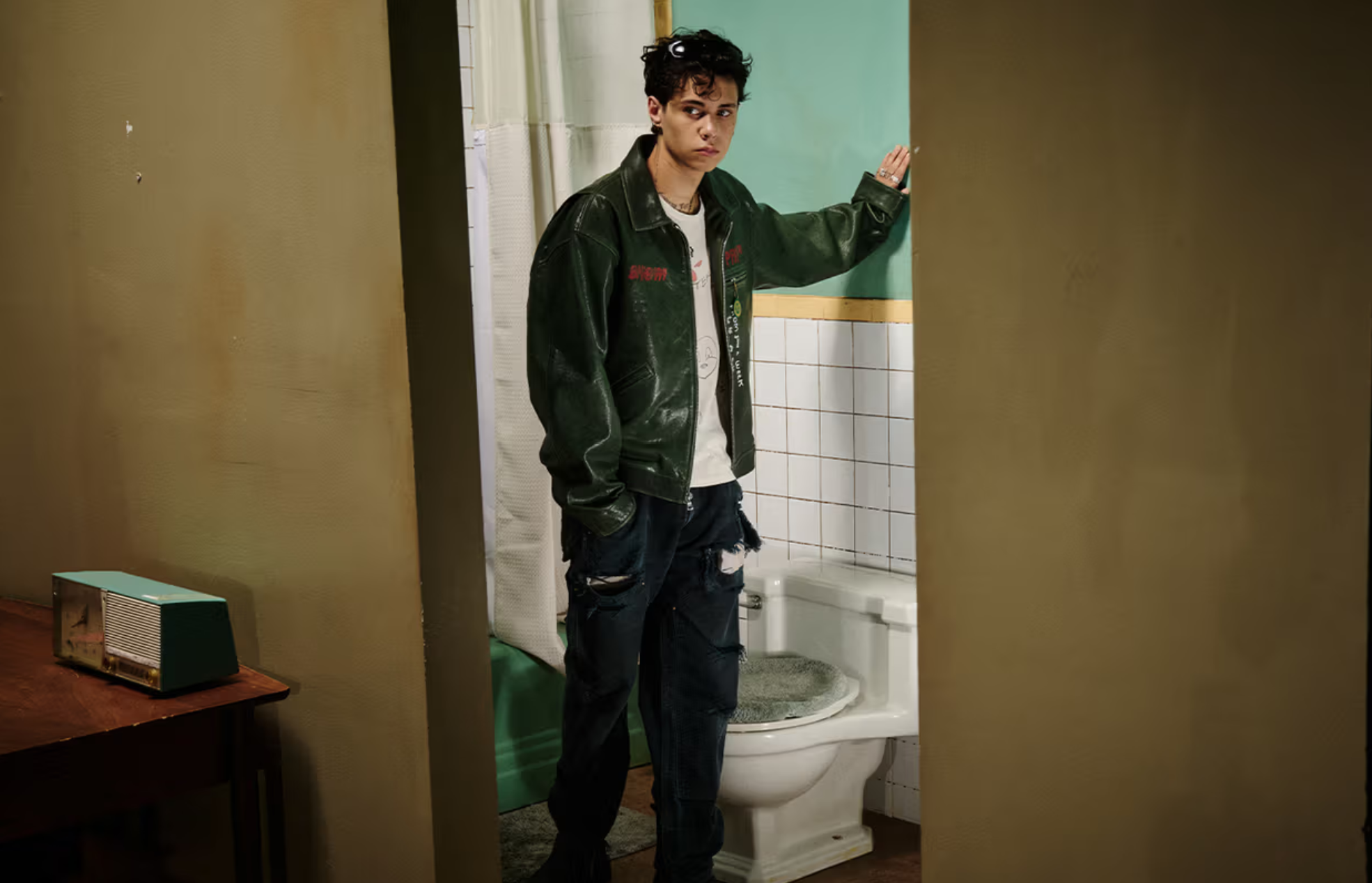
PALY has already expanded its range beyond T-shirts and hoodies into leather, denim, and outerwear.
Lindgren has also expressed a desire to strengthen more refined tailoring and high-end RTW going forward. It signals that PALY is wary of being defined as just a printed streetwear brand.
The key going forward is how naturally PALY, which started as a "cult graphic brand," can expand into luxury RTW while keeping its raw aesthetic.
A Turning Point Toward RTW
For a brand already known to some core fashion consumers, the practical buyer question is which categories and price points to lock in before it truly goes wide.
What built PALY's early recognition were caps, graphic T-shirts, hoodies, and vintage-style handwork. But the range has already expanded into leather, denim, and outerwear, and the founders have made clear their intent to expand into more refined RTW and tailoring.
Before the brand's weight class and prices move up another level, now is the time to decide which products to buy between its current signature categories and its future luxury RTW.
Price Resilience Matters More Than "Zero" Markdowns
What buyers should watch with PALY is how limited production, strong graphics, handwork, celebrity wear, and placement in global select shops combine to concentrate high demand on specific products.
It's less a brand where every product holds its price and more one where the buying skill to pick out which products most strongly carry PALY's cult appeal is what matters.
💡EDITORIAL SMALL TALK
How to Make the Rolling Stones Look "Vintage"
What PALY focused on in its Rolling Stones collaboration wasn't simply the band's famous tongue logo.
Together with Bravado, it dug into the Rolling Stones' vast archive and reworked the feel of old album and tour graphics and existing merchandise in today's PALY way.
That's why these newly made official goods look as if they were tour T-shirts from decades ago, unearthed at a vintage shop.
PALY's strength isn't in copying vintage. It's in deconstructing existing cultural archives and "making them old" again through its own distressing and graphic language.