The Return of See-Now-Buy-Now
The consumer desire cycle TikTok compressed, brands' instant-sale strategies — and practical points for buyers.
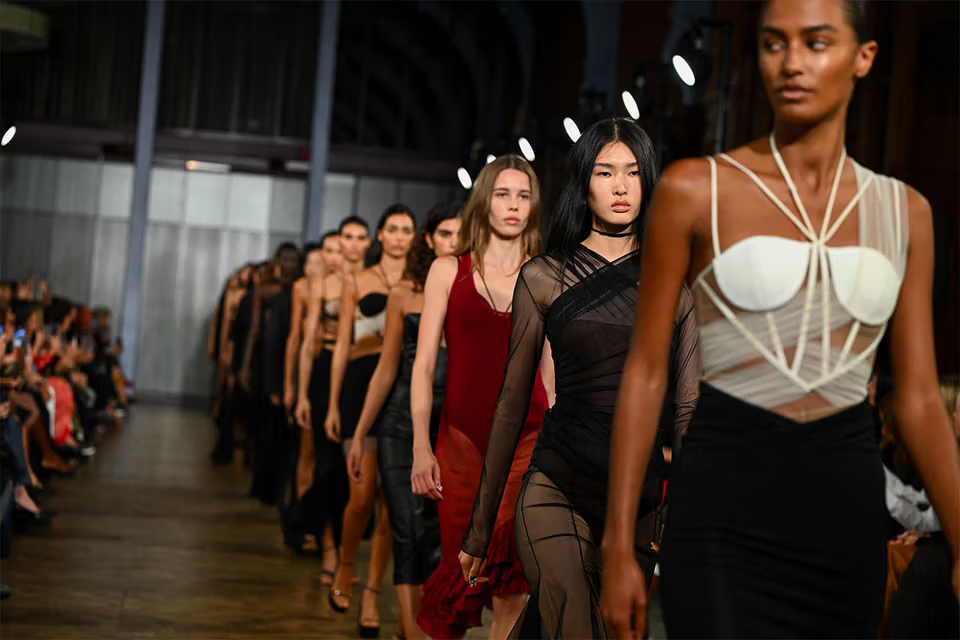
In 2016, Burberry and Tom Ford ambitiously introduced — then quietly shelved — the 'See-Now-Buy-Now' model. In 2026, it's rising again as one of fashion's core strategies.
Back then, it failed on supply chain limitations and the confusion of wholesale partners. Today the situation is entirely different — because what changed first wasn't the brands, but the 'consumer's desire cycle.'
The consumer who waits six months for a product seen on the runway no longer exists.

2016 vs. 2026: What Changed?
The reason this system failed a decade ago was clear: back then, the system's limits outweighed even the speed of a spreading Instagram photo. Wholesale buyers were confused, and the traditional editorial cycle — fashion press review, then reader purchase — collapsed.
But 2026 is different.
The Rule of the TikTok Algorithm
Two hours is all it takes for a runway image to spread across feeds worldwide.
The Compressed Desire Cycle
The gap between 'discovery' and 'purchase intent' has vanished. Consumers want what they see now — right now.
The Smarter Hybrid Strategy
Rather than the overreach of selling entire collections instantly, brands have learned the hybrid model: release only select 'hero items' immediately, and keep the rest on the traditional pre-order track.

How Are Brands Selling Now?
The changes underway in the luxury and contemporary scenes are concentrated on 'immediate purchase connection.'
Heliot Emil (SS26)
Boldly departing the official Paris Fashion Week calendar, the brand chose a system where digital presentation and instant purchase on its own web store happen simultaneously.

Coach (FW26 & SS26)
Simultaneously with its New York runway show, Coach opened its key items — the capsule bag and varsity jacket — for immediate purchase, structuring the campaign reveal to double as the start of sales.

Nensi Dojaka (SS25)
Opening the brand's first e-commerce site immediately after the runway, converting the show's heat directly into traffic and sales.

SAINT Mx6 × Jordan Brand
The moment Rui Hachimura appeared in the jacket in an NBA arena tunnel became the campaign itself — and online, search and purchase intent exploded instantly.

The Practitioner's Angle: Survival Strategies for Wholesale Buyers
The revival of See-Now-Buy-Now poses critical practical challenges for fashion retailers and select shop buyers.
① The Limits of the Pre-Order Cycle
The persuasiveness of the "pre-order that arrives in six months" is weakening. By the time a buyer's order reaches the store, the consumer's attention has likely already moved on to a new trend that flickered past their TikTok feed.
② The Rising Value of ATS (Available to Sell) Inventory
You need product to sell at 'the moment' the consumer's desire ignites. How flexibly you secure and operate immediately shippable inventory (ATS) has become the core competitiveness deciding revenue.
③ Not Speed — 'Curation'
A select shop can't beat Zara's extreme immediacy — products cut within weeks of detecting a trend — or a luxury house's capital power on speed. In the end, the wholesale buyer's weapon is razor-sharp curation: "among countless instant desires, how do we select the ones that fit our store?"