A Second Collaboration and a Proven Partnership
The business meaning of a repeat collaboration that goes beyond one-off buzz.

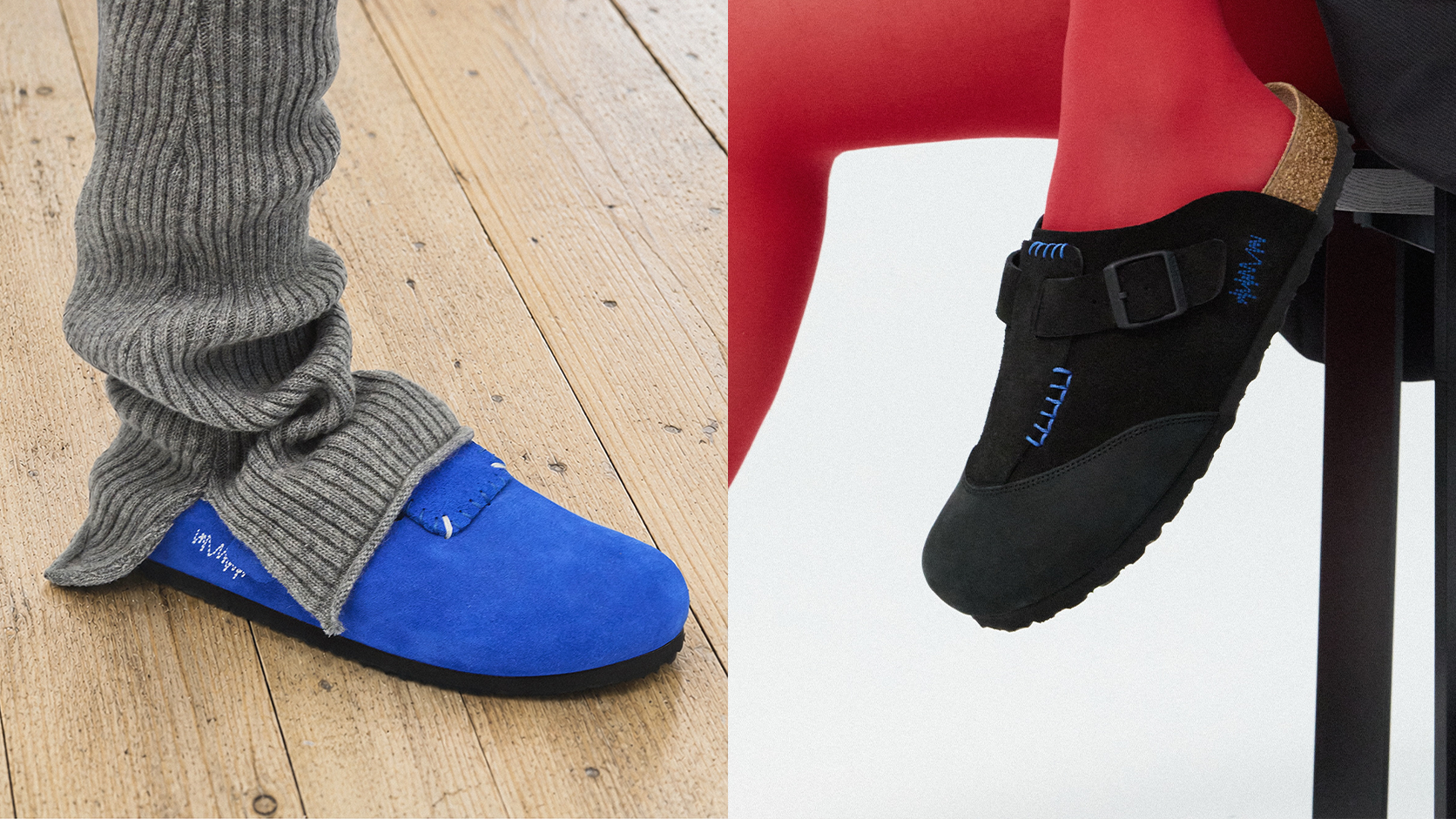
Today (August 6), the second collaboration collection between ADER ERROR, Korea's leading deconstructivist fashion crew, and Birkenstock, the 250-year-old German footwear house, launched simultaneously worldwide.
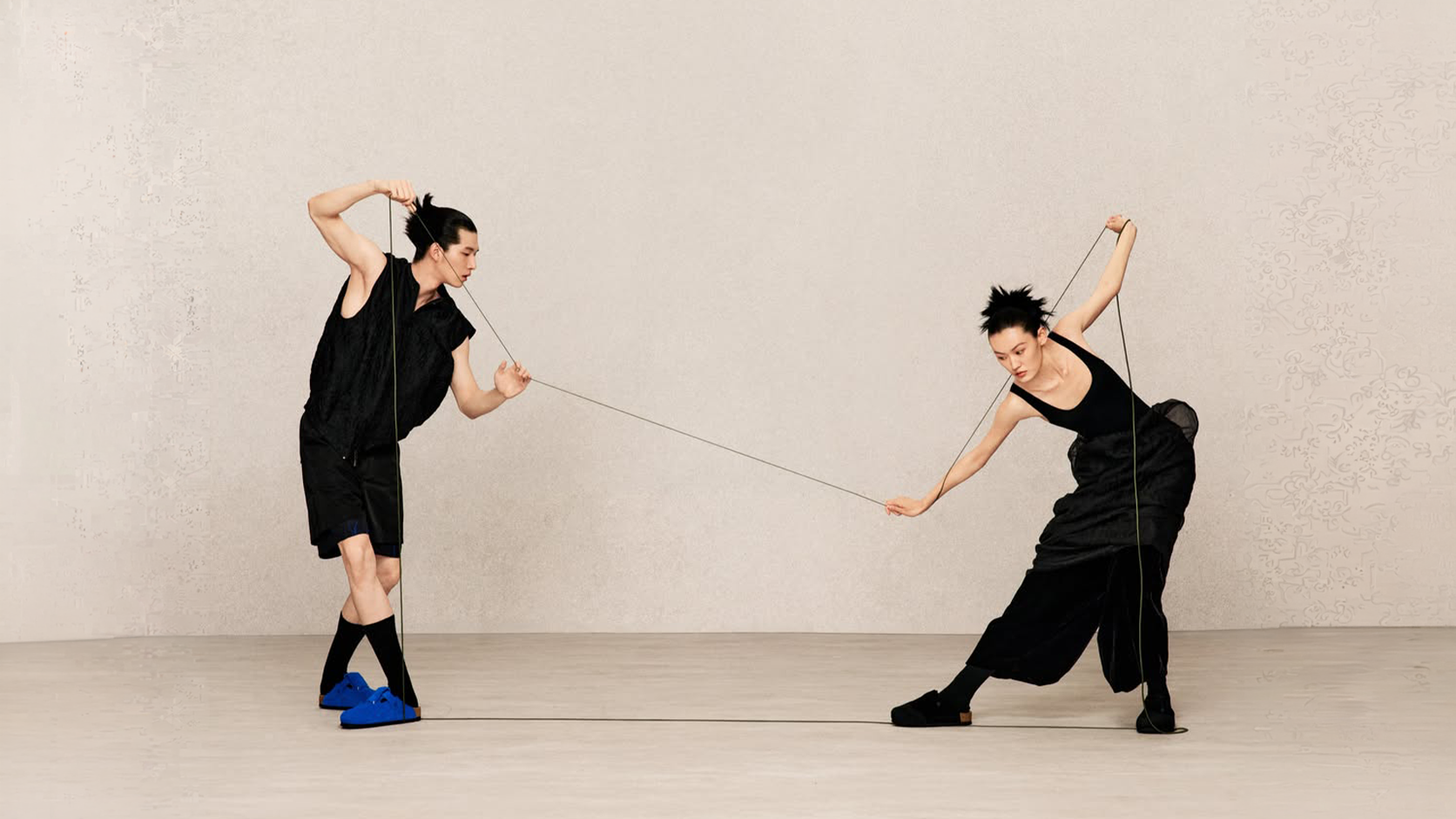
There are two styles, the "Boston Cap" and the "Boston Flap," which layer ADER ERROR's signature zigzag embroidery and stitching onto Birkenstock's iconic Boston clog. Using "thread" as its motif, the collection presents a narrative of stitching together the two brands' different worldviews in a single seam.
In a retail market where fashion collaborations pour out almost daily, the key word retail buyers should really pay attention to in this news isn't the product or its details, but the word "second."
Why "Second" Matters
Most fashion collaborations end as one-off events or single bursts of buzz. But Birkenstock, after continuing viral collaborations with global houses like Repetto and Sacai in the meantime, chose ADER ERROR as its partner once again.
From a buyer's perspective, this difference is worth noting. While a first collaboration's quick sellout may have been driven by one-off buzz, a re-collaboration can lead to the inference that the commercial results and sell-through of the first collaboration worked in a reasonably meaningful way.
An Exchange of Sensibility and Distribution Assets
Behind this collaboration's ability to succeed twice lies a refined structure of asset exchange between the two brands.
Birkenstock: Transplanting "Contemporary Sensibility" into 250 Years of Heritage
Birkenstock has a singular history, authenticity, and outstanding functionality, but it always needs "a trendy language of the moment" to make its way into fashion consumers' wardrobes. Through cult partnerships running from Repetto and Sacai to ADER ERROR, it transforms its long-standing clog silhouette with the sensibility of an entirely new generation each time.

ADER ERROR: Seizing Global Offline Reach Through Collaboration
For ADER ERROR, which started as a crew in 2014, collaboration is a core engine of growth. Following Maison Kitsuné, ZARA, and Converse, the real benefit ADER ERROR gains from reuniting with Birkenstock is a vast offline distribution network that links Birkenstock stores and major multi-brand stores around the world. It's a strategy that lets ADER ERROR, whose web traffic is overwhelmingly from overseas, rapidly expand its offline touchpoints in global local markets.

Buying Points
This collaboration signal offers three points for retail MDs and sourcing buyers.
① Use the "Re-Collaboration List" as a Gauge of Sell-Through
We recommend paying attention to partnerships that keep reuniting in the market, rather than one-off collabs that can create inventory burden relative to their short-lived buzz. A track record of repeat collaborations can be useful buying reference material, showing that commercial results and real purchase conversion have been validated to a certain degree.
② Observe a Brand's Life Cycle Through Changes in Its Partners' Weight Class
For brands like ADER ERROR that actively use collaborations, managing scarcity often works as a key factor. By looking at the direction in which the hierarchy of partnerships expands (mass brand ➔ global footwear ➔ luxury house), you can gauge whether a brand is growing its long-term value or depleting its assets.
③ A Setup That Uses Collaboration Footwear as an "On-Ramp to the Main Line"
Collaboration clogs and sneakers tend to function as relatively accessible SKUs (Stock Keeping Units) that serve as an entry point into a brand's entire worldview. It can also be a good strategy to think through mix-and-match flows in-store, so that new customer traffic brought in through footwear connects to the brand's existing apparel and accessories lineup.