How Products Get Discovered Before Ads
The formula behind The Row, Phoebe Philo, and Nili Lotan, three brands that quietly captured the fashion community.
In the second week of August 2026, three notable headlines appeared in the editor feed of fashion outlet Who What Wear.
The Row's new everyday bag, the cluster earring craze sparked by Phoebe Philo, and news of Nili Lotan's boot collection drop.
They're stories about different brands in different categories, but they share one powerful thing in common. They are all "brands that don't spend on advertising."
The Rule of Being Discovered Through "Product and Authenticity"
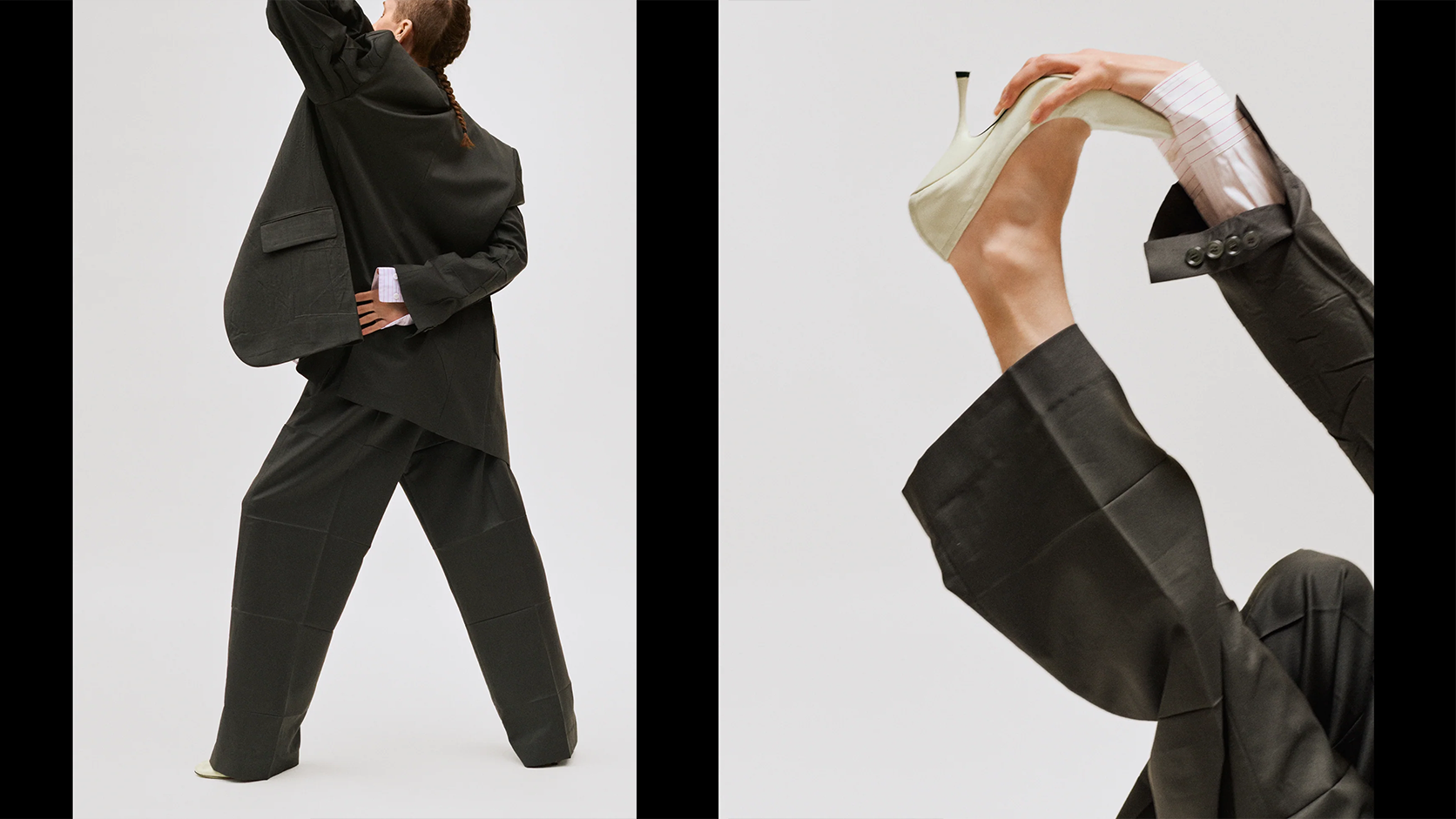
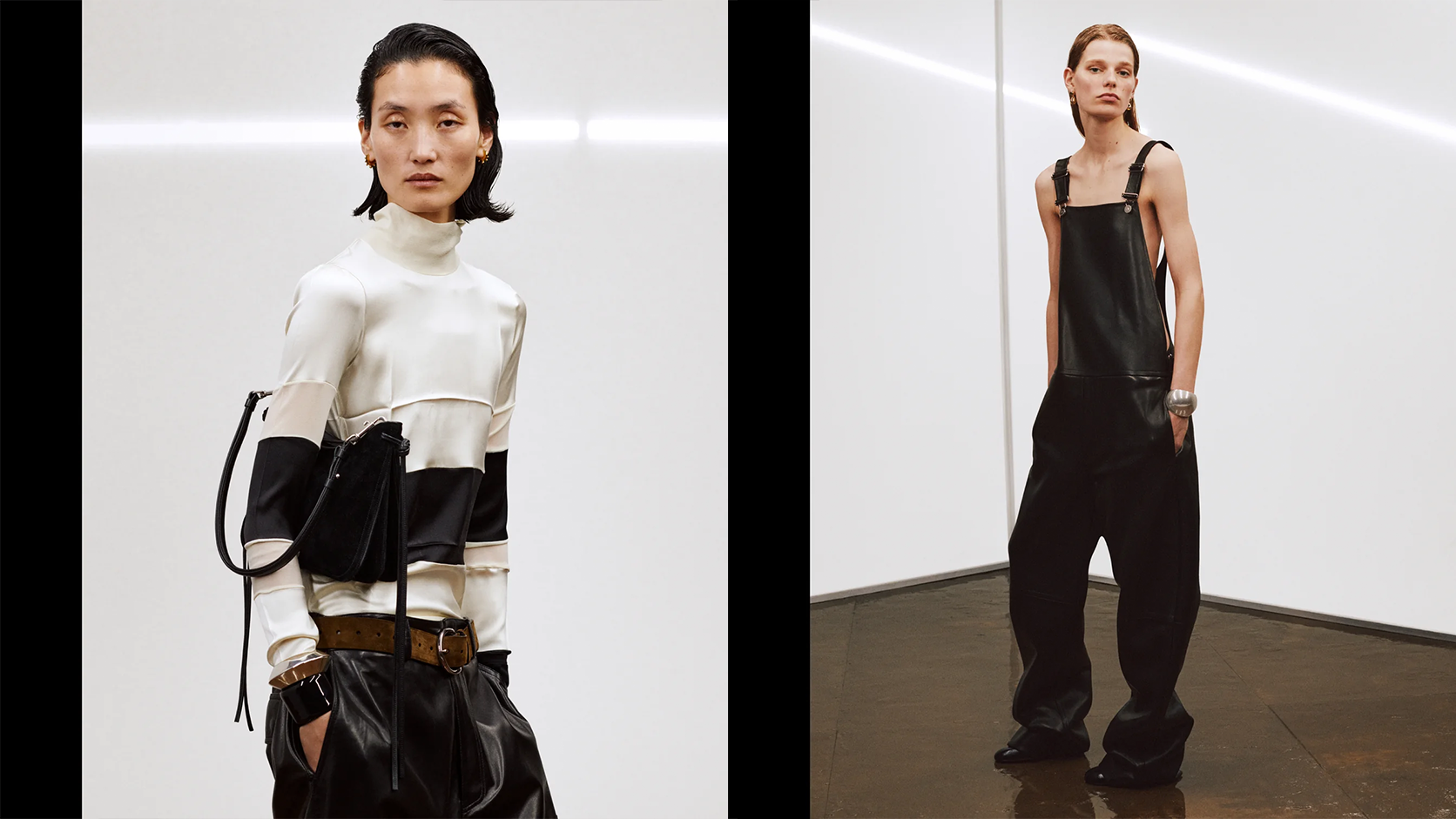
The Row has grown through a so-called "silent marketing" strategy that minimizes logos and excessive exposure, and Phoebe Philo, too, is building her brand in a restrained way that breaks away from the traditional fashion grammar centered on seasons and shows. Nili Lotan has also grown by putting product and customers ahead of trends, surpassing $100 million in revenue in 2022 and becoming a brand expected to reach about $150 million in revenue in 2026.
In the 2026 fashion market, where recession and ad fatigue have hit their peak, we break down the brands being discovered not through capital but through "product and authenticity."
The New "Essentials" Brands Are Proposing
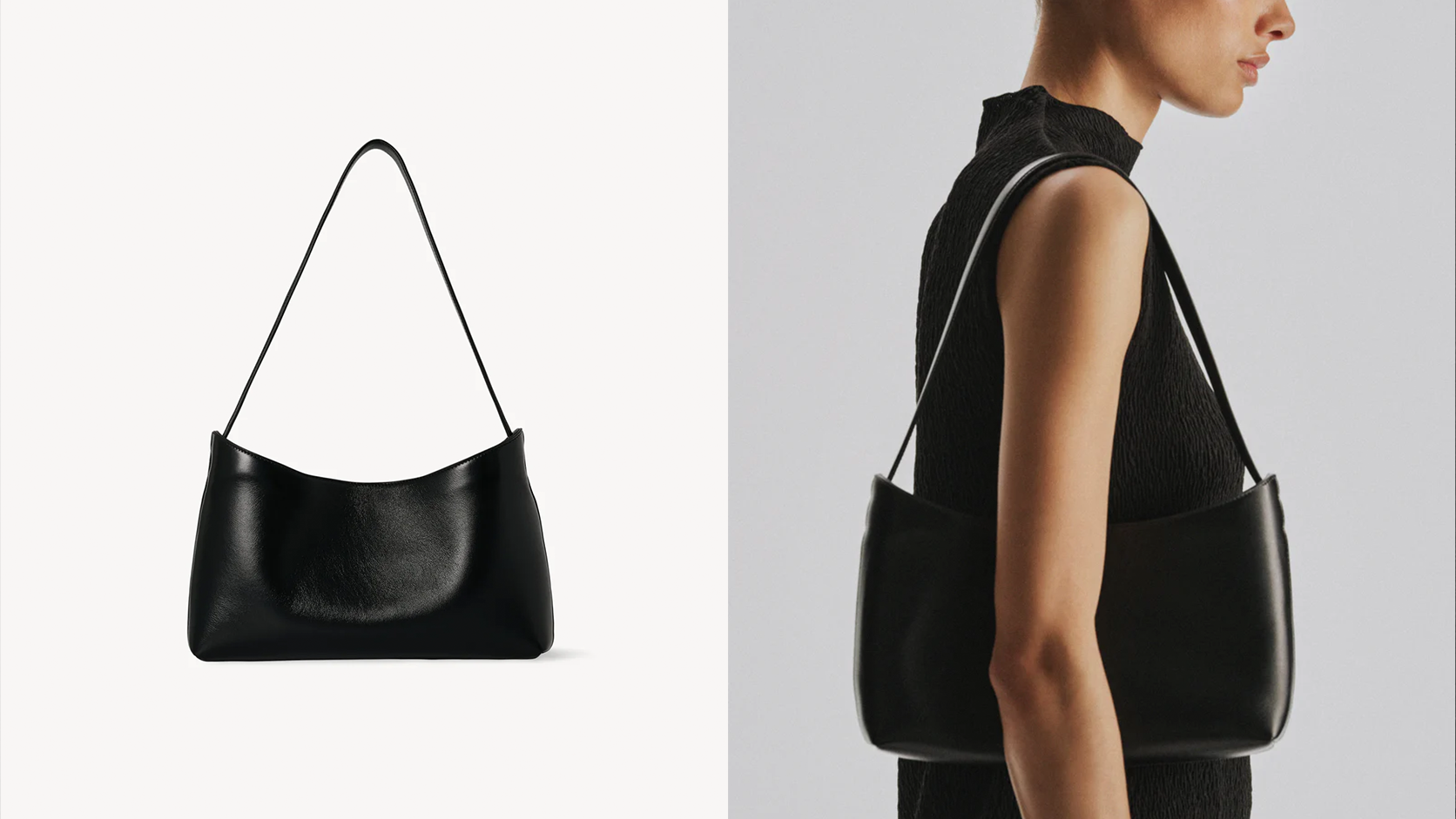
The Row — Alba Bag
The bag The Row is newly pushing forward is the Alba bag. Who What Wear named the Alba bag the new "everyday bag" set to carry on from the existing Peggy. The key is that it keeps the brand's signature top-tier materials and restrained silhouette while being a practical bag you can carry naturally every day, rather than only on special occasions. It's a product that shows consumer interest shifting from "an icon to own" to "luxury you actually carry often."
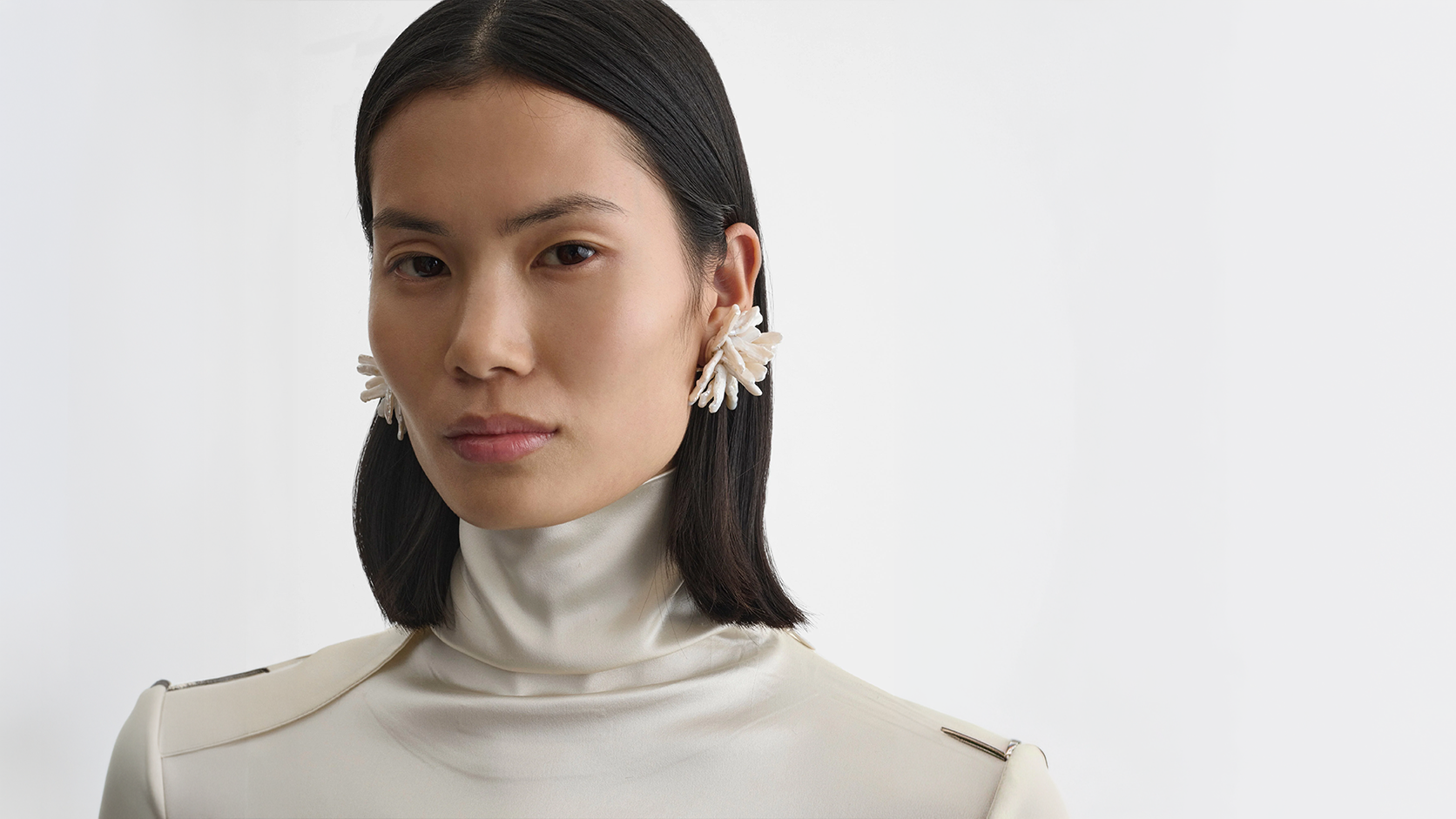
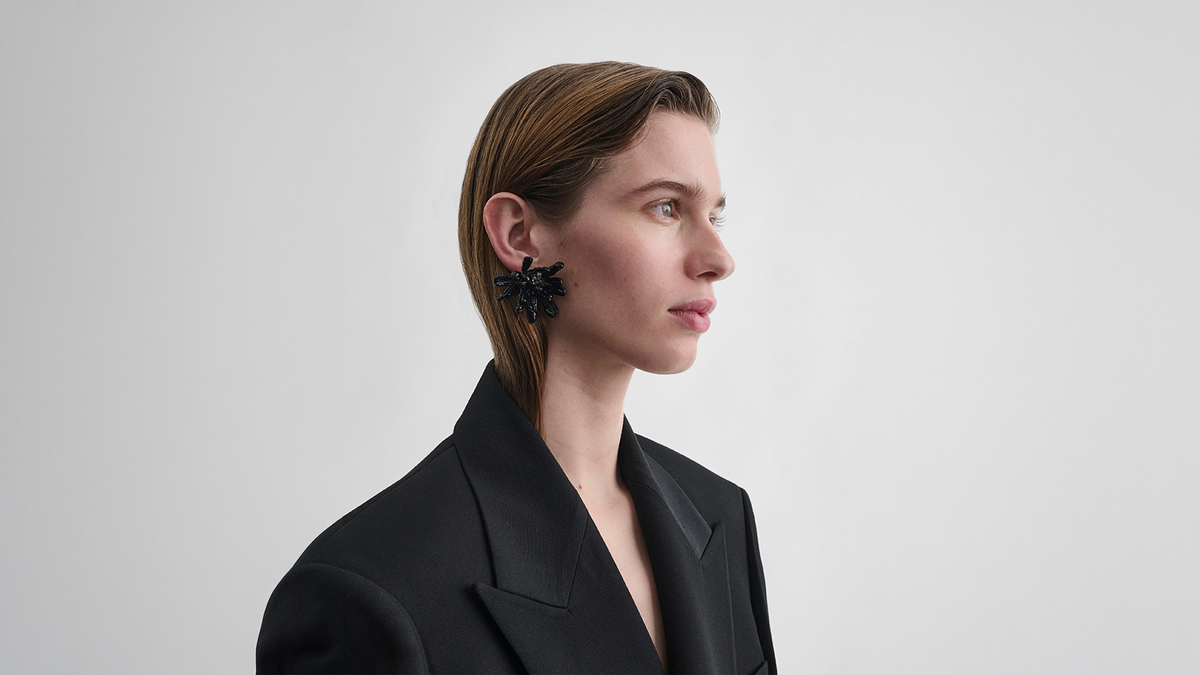
Phoebe Philo — Cluster Earrings
About three years after launching her independent brand, Phoebe Philo entered the Lyst Index for the first time at No. 18 in Q2 2026. In the same period, searches for the brand rose 29% from the previous quarter. As Who What Wearpointed out, "cluster earrings are getting attention again thanks to Phoebe Philo," the aesthetic the designer has stubbornly built is now going beyond individual products to create a trend of its own.
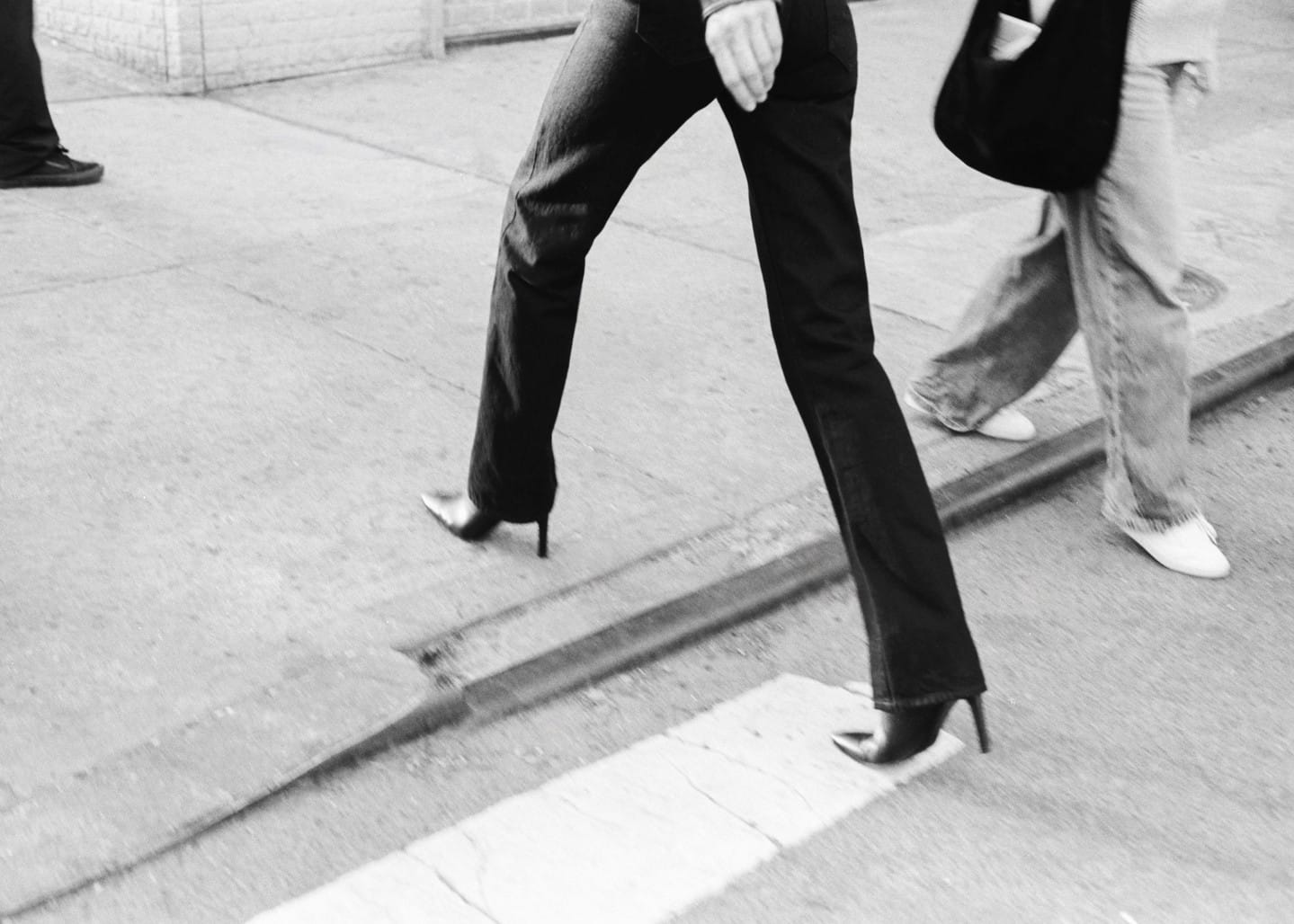
Nili Lotan — Leather Boots
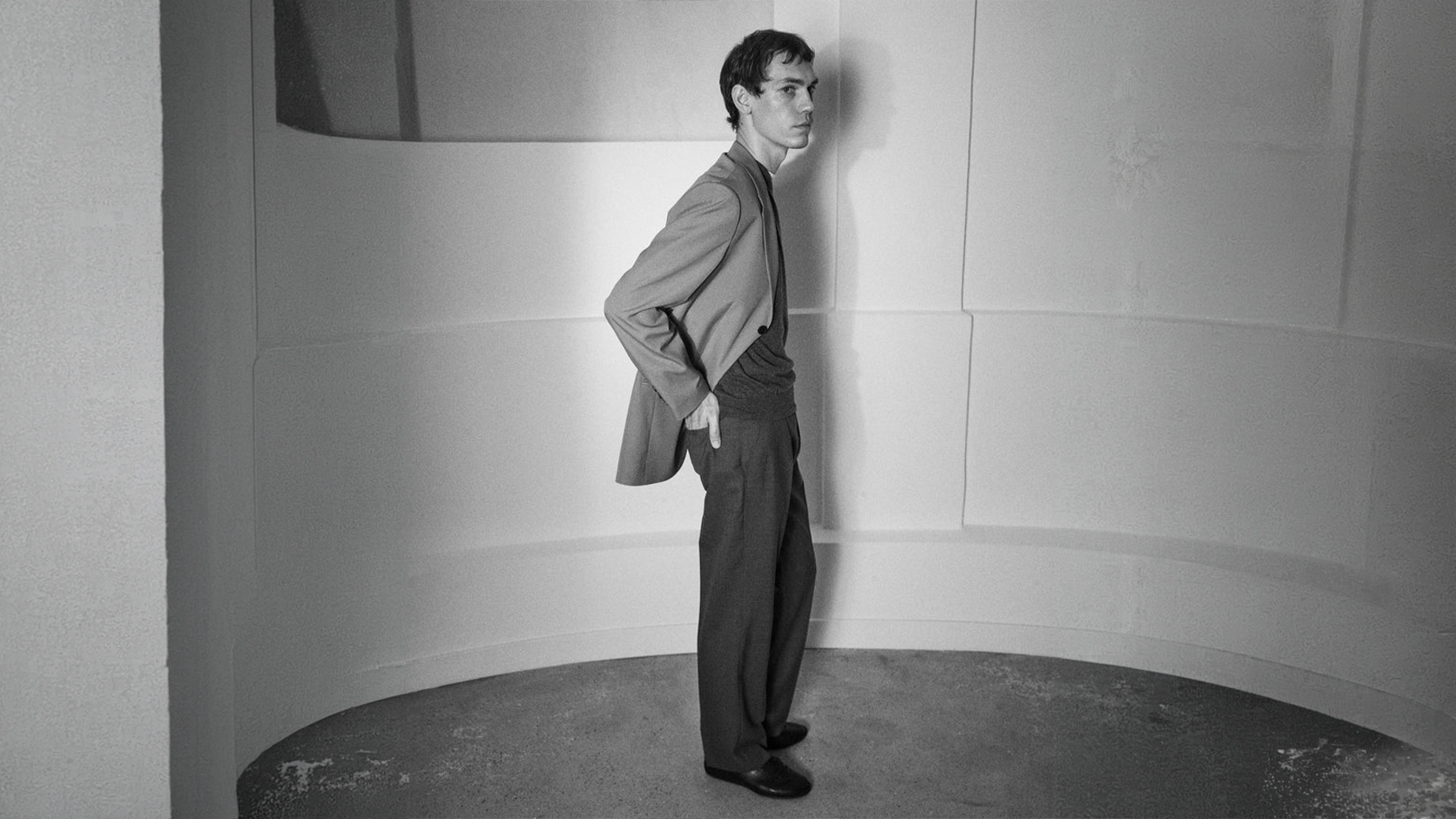
Nili Lotan, which has pursued being "trendless" for more than 20 years, entered footwear for the first time after ready-to-wear and handbags, introducing seven core boot styles. Lotan explains that while preparing this collection, she thought about what kind of shoes truly belonged in her world, and above all, made "authenticity" her standard. The brand's philosophy of making essentials you can wear for a long time has naturally extended into footwear.

How "Discovery Without Ads" Works in the Fashion Market
If the brand discovery mechanism of the past was a one-off structure, the new discovery pattern dominating the market in 2026 is far more organic and sustainable.
Social Media Ad Fatigue and Falling Engagement
Producing more content on social media doesn't necessarily lead to a stronger response. In 2026, overall Instagram engagement fell 17% year over year, and luxury fashion accounts are also seeing their like and comment rates weaken. As fatigue with overly commercial content grows, the value of editor recommendations and mentions that arise naturally within communities is rising again.
AI Is Reshaping Brand Discovery
AI has already established itself as a shopping channel for discovering and comparing new brands. According to Bain, about one in four luxury consumers uses AI to discover brands and products. As generative search begins to directly influence how brands are exposed and described, it's becoming important to build a consistent narrative not only through a brand's own advertising but across searchable product information, editorial, and third-party content as a whole.
"Fashion Literacy," Where Knowledge Becomes Luxury
47% of global consumers cite a brand's story as a key factor that makes them perceive it as a "high-end brand." Understanding not just the product itself but who made it, why, and with what philosophy has become part of a brand's value. Simply knowing Nili Lotan's product philosophy or The Row's bag lineage works as a form of fashion literacy for consumers.
💡 EDITORIAL SMALL TALK
Unintended Trends Last Longer
Phoebe Philo's cluster earrings weren't a product planned to chase a trend. Because the trend was born naturally in the process of the designer stubbornly pushing her own aesthetic, it has a far longer life than the one-off microtrends mass-produced by fast fashion.