Nike's Pick: Mowalola
Nike's three business strategies built around the Air Jordan 14.
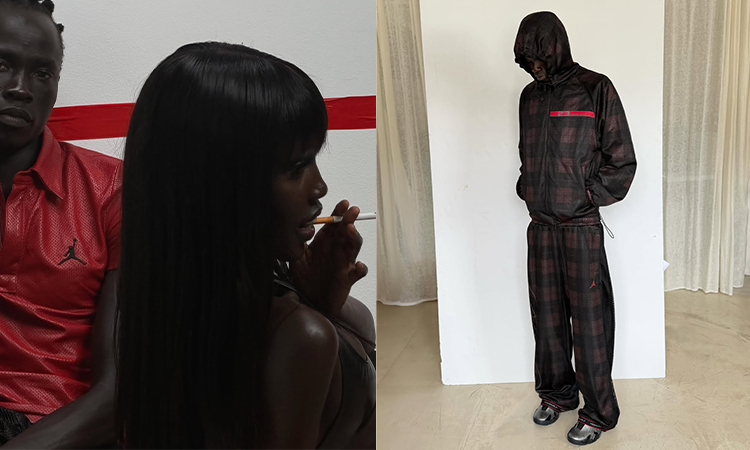
The Air Jordan 14 is the iconic shoe Michael Jordan wore in his final moment in a Chicago Bulls uniform, "The Last Shot" in Game 6 of the 1998 Finals. Even so, it has also been one of the most "underdeveloped" silhouettes in the Jordan Brand archive, kept out of the overwhelming spotlight that the AJ1, AJ3, and AJ4 have enjoyed over the past few decades.
The partner Jordan Brand chose for this historic shoe's first major fashion collaboration was not a proven sneaker collaboration specialist. It was Mowalola Ogunlesi, considered one of the most provocative designers in London fashion.
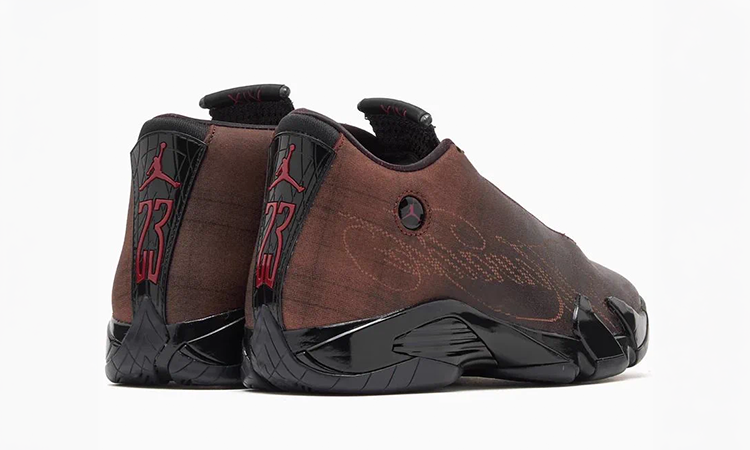
The most notable part of this collaboration, launching globally on September 18, 2026 ($255), isn't the color or the materials. It's the fact that the iconic side logo badge designed by Tinker Hatfield was removed entirely and replaced with a circular logo.
Jordan Brand handing over the house's signature logo design entirely to an outside designer is a highly unusual choice. Why did the brand set things up this way?
Exhausted Cards and an Archive Left Untouched, Now Opened
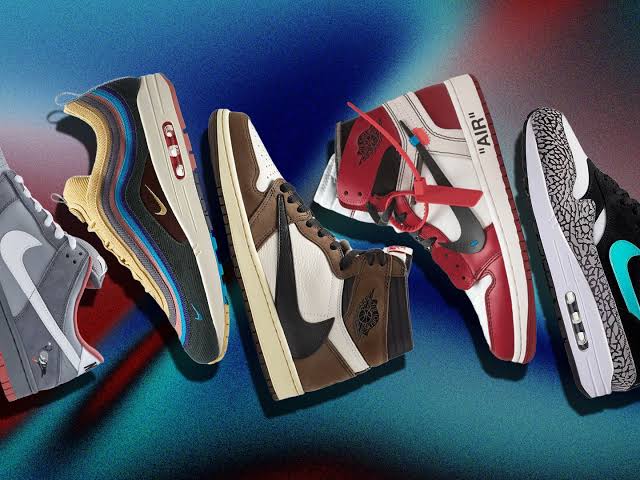
The AJ1, AJ3, and AJ4 have been overconsumed through global collaborations over the past decade or so. Resale premiums in the market have gradually thinned, and fatigue has built up in the sneaker community.
The AJ14, on the other hand, despite carrying the powerful narrative of "The Last Shot," has long been a canvas whose commercial development was put off. Instead of its almost sacred core models, Jordan Brand appears to be shifting toward a strategy of opening up undeveloped territory and injecting new scarcity into the market. The fresher the canvas, the more it needs a designer's bold signature.
Not a "Product That Sells," but a "Product That Becomes a Story"
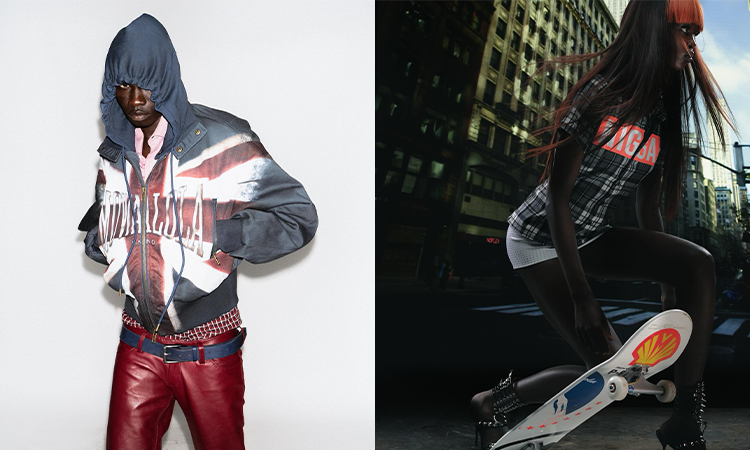
As collaboration models centered on major celebrities increasingly suffer from diminishing scarcity due to expanded volumes, Jordan Brand is turning its attention to emerging creators whom the community perceives as "discoveries."
Mowalola is an ideal pick for this strategy.
- Dual credibility: While leading a runway at Paris Fashion Week as a designer, she also secured solid support from the street scene by serving as design director of Ye's Yeezy Gap.
- Organic conversation: She naturally generates the public discourse and controversy that safe partnerships can't create.
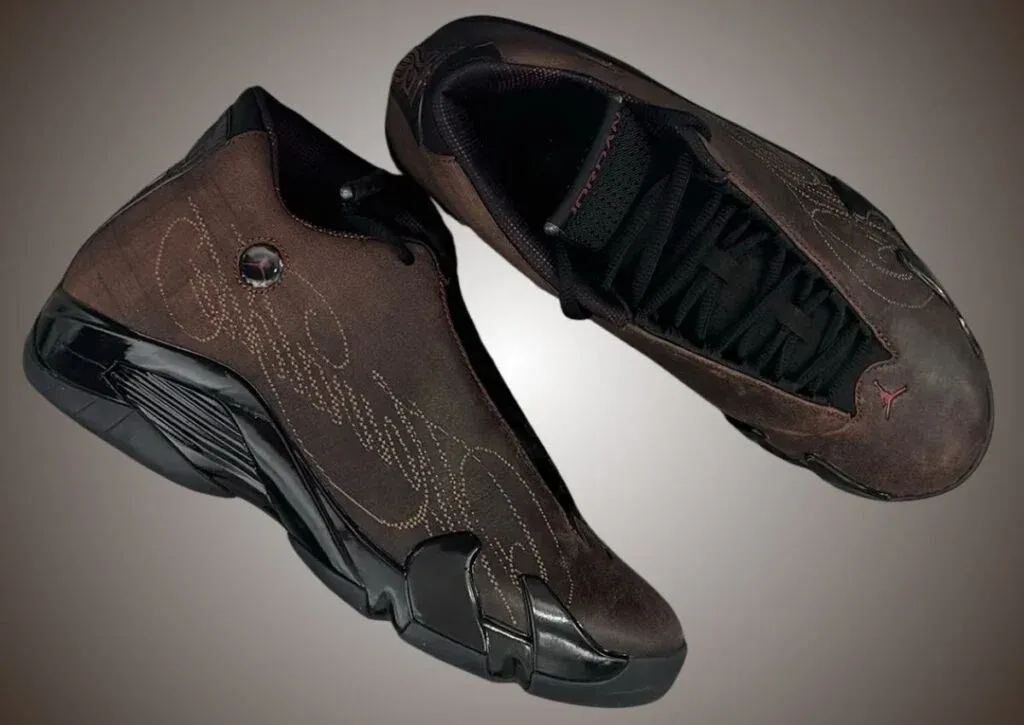
What It Means to Remove the Logo Badge
To justify a premium $255 price tag, the product needs the signature of being "a designer's work," not just a colorway change. Replacing the side badge is a device that completes the distinct narrative of "Mowalola's AJ14" by giving up part of the silhouette's own identity.
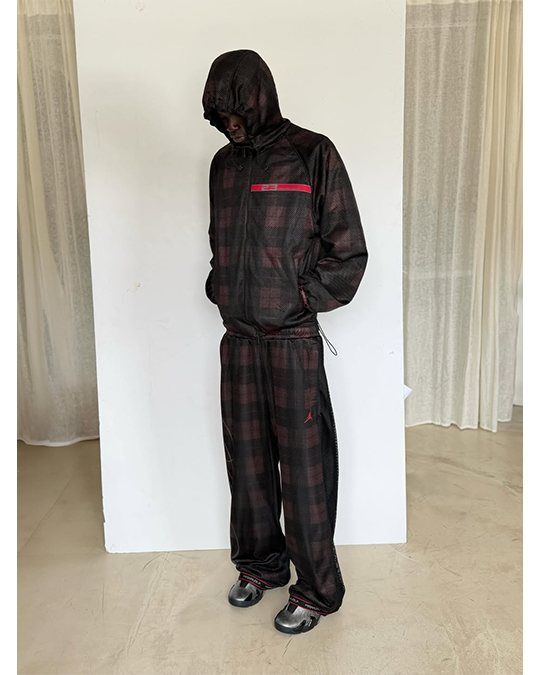
The simultaneous release of the AJ14 Mule ($180), transformed into a laceless form for the first time in the silhouette's history, can also be seen as a plan to embrace the "mule-ment" trend while safely absorbing the brand risk of altering the silhouette under the designer's name.
💡 EDITORIAL SMALL TALK
The decision to remove the original logo badge that dominated the side of the shoe and replace it with a circular logo instantly moves the stage from the heritage of the Jordan house to the designer's personal space. On top of that, rather than putting the grand victory myth of "The Last Shot" in Game 6 of the 1998 Finals front and center, it paradoxically uses the archive by injecting a personal narrative of "confinement and self-display."