From Coachella to Seongsu, SKYLRK
Consumer interest driven by scarcity.
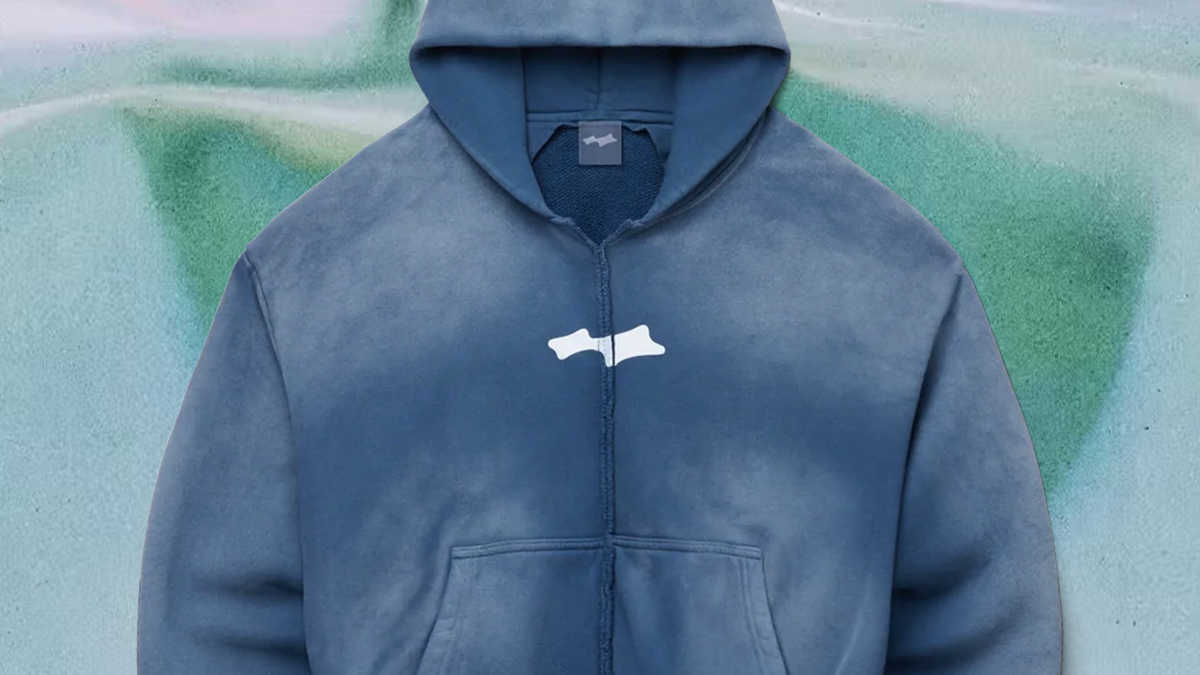
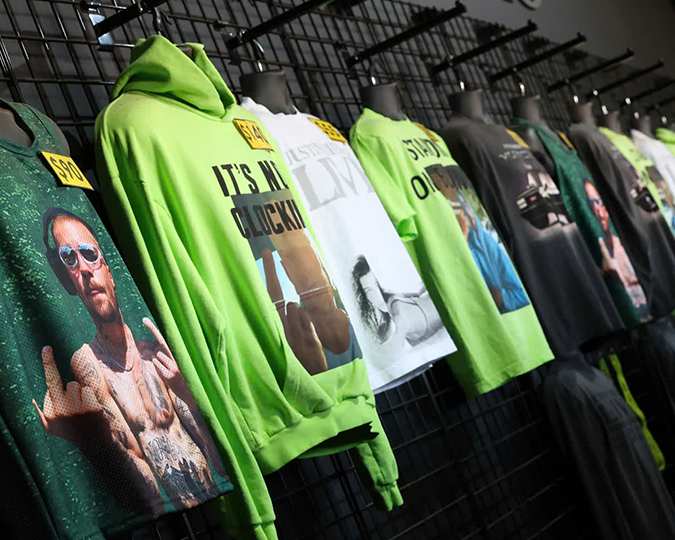
On October 22, SKYLRK, Justin Bieber's brand, opened its first pop-up in Korea at Andersson C in Seongsu, Seoul. Running for four days through the 25th, the pop-up presents Seoul-exclusive apparel bearing the "SKYLRK SEOUL" logo. Lines formed before the opening, and on the morning of the 23rd, Bieber posted "Made it to Seoul" on his Instagram.
Having unveiled its first collection in July 2025, SKYLRK has expanded its retail touchpoints all the way to Seoul in about a year and three months. We look at how the brand has grown by leading with its founder's own looks, limited drops, and event-style sales rather than large-scale advertising campaigns.
A First Collection Unveiled After More Than a Year of Teasing
Justin Bieber hinted at the launch of a new brand in December 2023. Rather than revealing products right away, he built anticipation through the brand's account and images of himself wearing the pieces, and on April 4, 2025, he unveiled the logo and some product images, signaling the official launch. An animation hinting at his split from his previous brand, Drew House, was released at the same time.
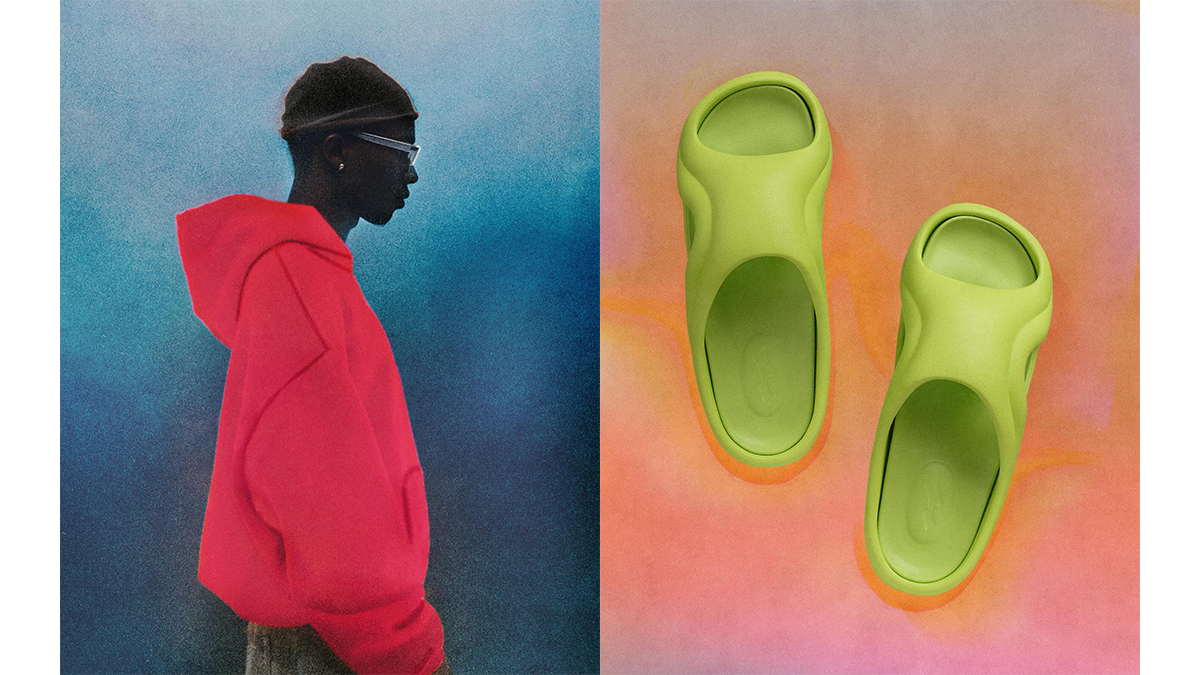
The first collection was unveiled on the official website on July 10, 2025. Consisting of hoodies, tank tops, beanies, sunglasses, and two styles of footwear, it was priced from $40 for a beanie to $200 for sunglasses. Released without a large-scale campaign, the key products sold out quickly.
Turning Justin Bieber's Style into Product
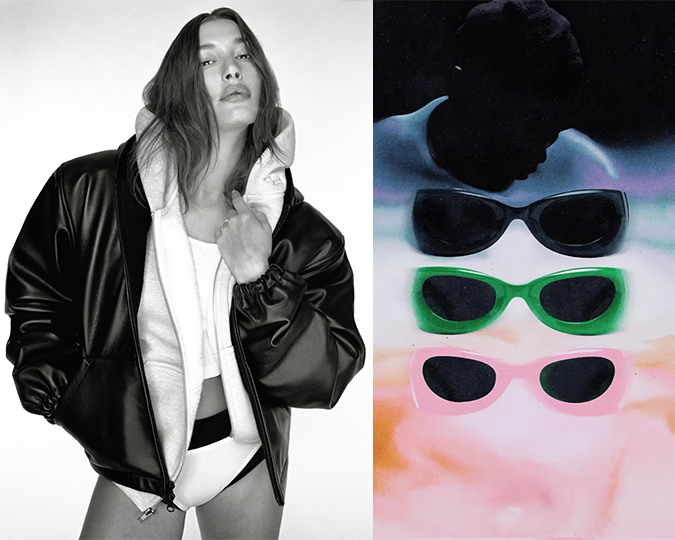
SKYLRK's first collection started from items Bieber regularly wore. Signature examples include the Chunky Mule and Beach Slide, with their voluminous silhouettes, and the Upside Down sunglasses with bubble-shaped lenses. The sunglasses come in colorways with distinctive names such as Fizz, Super Blue, Smudge, Gum Pink, and Jelly Red.
A range of designers are involved in product development. Neima Khaila, co-founder of Pink Dolphin, joined SKYLRK as co-founder and creative director, while Finn Rush-Taylor, who previously designed footwear at Puma, Adidas, and Yeezy, handles shoe design. Hailey Bieber also took part in designing a leather bomber jacket. Bieber himself leads the creative direction.
Justin Bieber Is the Biggest Campaign
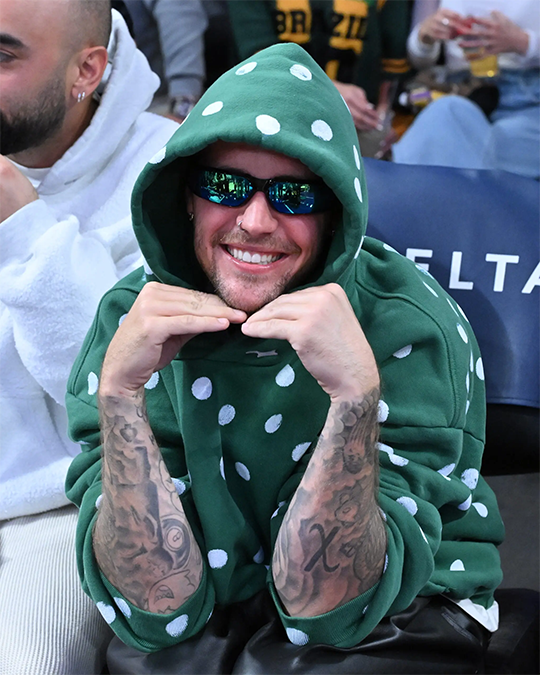
SKYLRK's brand exposure comes less from advertising campaigns and more from Bieber actually wearing the pieces. At the 2026 Grammy Awards, he drew attention in custom-made silk boxers, and at an LA Lakers game in February, he wore a custom dot hoodie that wasn't sold online. On stage during the first weekend of Coachella, he also showcased an unreleased hoodie and sunglasses.
Korean idols wearing the brand also helped broaden its recognition. As RIIZE's Sohee, CORTIS' Keonho, and BTS's j-hope wore SKYLRK pieces, the brand reached Korean fans as well. Interest that began with the founder's own looks carried over into the off-duty styles of K-pop artists, widening the brand's touchpoints with consumers.
From Coachella to Global Pop-Ups
In April 2026, SKYLRK recorded about $5.04 million in merchandise sales during the first weekend of Coachella, with combined sales across both weekends reaching $15 million. It used its own website, the official artist merch tent, and a dedicated shop, SKYLRK Shop, as sales channels, and its media impact value (MIV) was tallied at $2.3 million.
Offline, it went on to run pop-ups led by city-exclusive products. After opening its first pop-up in Tokyo in December 2025, it expanded its touchpoints through New York in July 2026 and on to Seongsu, Seoul, in October. In each location, it presented Japan-exclusive products, "SKYLRK 60 Tenth Avenue" hoodies and T-shirts, and "SKYLRK SEOUL" logo apparel. Through region-exclusive products and short operating periods, it uses pop-ups not as one-off events but as sales channels.
EDITORIAL SMALL TALK
Rather than actively promoting its products, SKYLRK built anticipation by delaying reveals and limiting exposure. It hinted at products through its founder's own looks, and limited purchase opportunities through limited drops and pop-ups. A strategy of not revealing everything sparked consumer curiosity and translated into a desire to own the products firsthand.
It's a case where the way and timing of a reveal, rather than the volume of advertising, determine a brand's buzz.