The Counteroffensive of Independent Select Shops in 2026
The Decade-Long "Online Is Mandatory" Fashion Dogma Is Falling Apart.

A recent headline published by global fashion business media outlet Business of Fashion (BoF) was in itself a provocative declaration:
The Retailers Winning by Ignoring the Internet
From Brooklyn to Berlin, newly opened independent store owners are competing to abandon or scale back their in-house e-commerce operations. The industry's absolute dogma of the past decade—"go online or die"—is being turned completely on its head.
These retailers are far from outdated amateurs. Amid the 2026 storm where global luxury e-commerce giants are collapsing or consolidating, choosing "hyper-local intimacy" over the illusion of "infinite reach" represents the smartest business model today.
We analyze the operational insights that this counter-trend offers to domestic online and offline select shop buyers and store owners.

The Pit of "Structural Deficits"
The influential fashion newsletter Blackbird Spyplane pinpointed the exact root cause of this movement:
"Small independent retailers can no longer afford the e-commerce game. The board is tilted heavily in favor of large platforms that slap on crazy early markdowns and make their money back through pure volume. For an independent shop, running an online site is equivalent to opening a 'second physical store' in terms of time and cost."
Sorting through the metrics makes it immediately clear why this U-turn back to physical retail is a rational decision:
- Returns: The Fatal Online Trap
Average global e-commerce return rates currently hover around 19.3%, with Gen Z initiating an average of 7.7 returns per year. The reverse-logistics costs associated with "bracket purchasing"—ordering multiple sizes to keep only one—completely devour small shop margins. - Price Protection vs. Clienteling
To avoid racing to the bottom on price against massive platforms, retailers must maintain a "no-sale" stance—which is nearly impossible online. Conversely, well-trained in-person clienteling achieves a conversion rate of 35%, more than ten times higher than standard e-commerce (2–3%).
Ultimately, consolidating e-commerce maintenance fees, return shipping expenses, and search ad budgets to reinvest into physical store interiors, hospitality, and buying budgets yields significantly higher profitability.

"Here Is Our Address—If You Want to Buy, Come Visit"
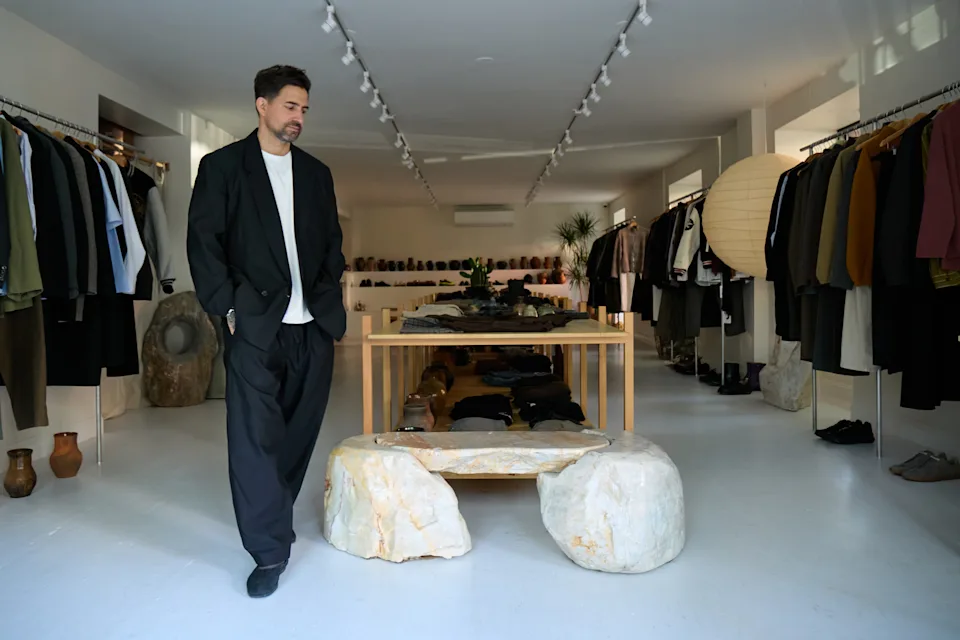
The website for newly opened Brooklyn select shop Ven.Space features no checkout button. There is only a physical store address and a plain list of stockists. This is not carelessness; it is a calculated design. It acts as an invitation stating: "We will show you what we sell, but if you want to buy it, you have to come in person."
Founder Christopher Green opted for a controllable, self-sustaining business model over the pressure-filled drive to scale up:
"I am in the store every day. Through conversation, I learn what walking customers are looking for, what the ultimate purpose of that garment is, and find the absolute best way to fill their wardrobe."
In 2026, when everything is readily available online, "things you cannot buy online" have become the rarest and most valuable currency.
Returning to the Core Essence of Select Shops
While reported by global media, this trend offers encouraging implications for store owners and buyers operating locally, inviting a fresh perspective on long-standing operational challenges:
- Reevaluating the Online Store Requirement
It is time to question whether running an online store stems from a vague obligation that "online is a baseline requirement." Weighing the energy poured into web maintenance, returns, and discount wars reveals an operation as taxing as running a second brick-and-mortar location. Rather than shutting down entirely, shops can shift their online presence away from driving transaction volume toward serving as a showroom or invitation that drives foot traffic. - A Reason to Visit in Person
Stripping away online sales requires filling the physical space with products customers can only experience by visiting. Common brands purchasable in a few clicks will not draw customers through the door. This reinforces an essential truth: a buyer's ability to discover new brands serves as the shop's strongest marketing asset. - The Ultimate Analog Weapon
No online algorithm can replace small talk about a regular's wardrobe or local neighborhood culture—the familiar face-to-face service practiced daily by regional select shops. The communication style once viewed as conventional or outdated is now being re-evaluated across the global retail scene as the most premium weapon for overcoming e-commerce limits.
Editorial Small Talk
Why the World's Best Curation Avoided Social Media
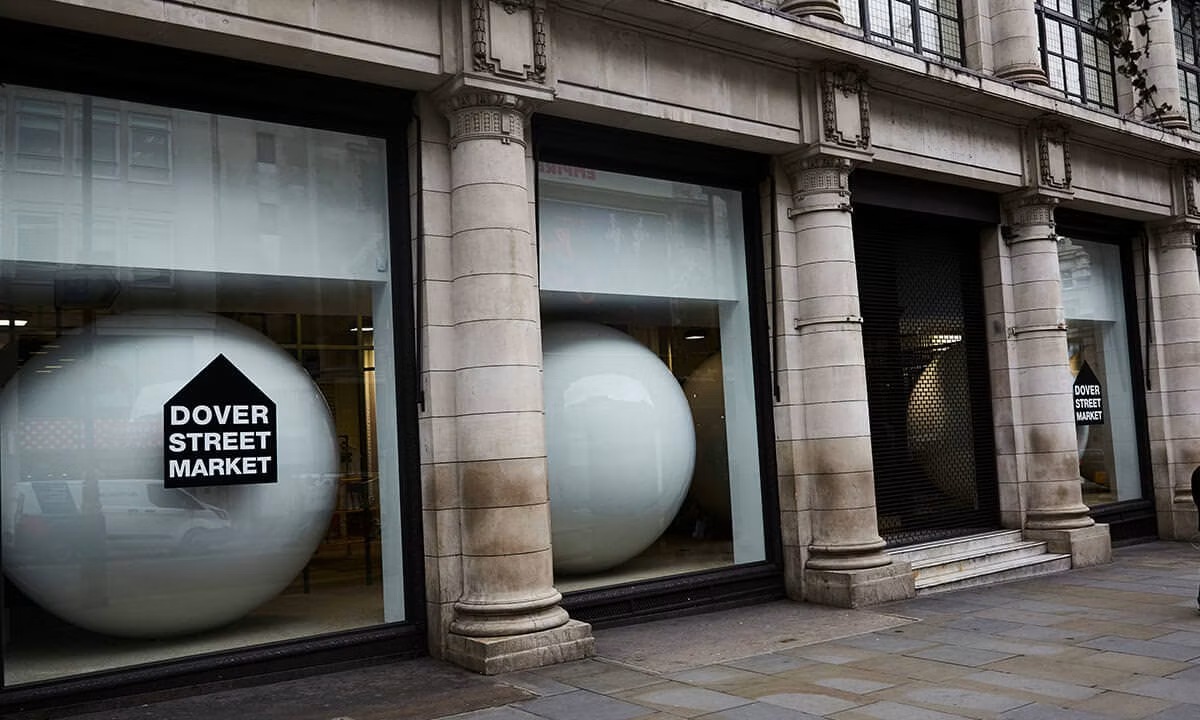
Did you know that Dover Street Market—Comme des Garçons' retail icon displaying world-leading curation—only began dipping its toes into social media in 2026? For over two decades, they reigned at the pinnacle of global select shops completely outside the algorithm, without relying on Instagram or TikTok. Rei Kawakubo's rule was always firm: "Discovery must take place in a physical space, not on a 2D screen." The power of physical retail that new independent stores worldwide are enthusiastically rediscovering today is, in fact, the exact essence that the industry's highest benchmark held onto decades ago.